
This is an odd little tip but it’s one that has stood me in good stead over the years.
Sometimes when you’re talking to a senior stakeholder, they see things from what they often say is ‘50,000 feet” which gives them a very broad view of challenges, and from a strategic perspective gives them a better idea of how to solve things, but can at a tactical or small scale actually cause a lot of grief.
Trying to explain that without inducing a dismissive response is actually quite challenging. It’s often either “just get over it” or “this is our strategic view”, and to have an example of how such a strategic view is actually worse for a given project is challenging. The one example I found that worked is related to a military feature 1:
A salient2, is a battlefield feature that projects into enemy territory. and if you look down on one from above they all look the same, however the solution is different depending on their size.
If they are huge in scale, then you can “bite” or “Nip” them off, which cuts a load of troops of in a position where they are surrounded and cant get any support.
However if they are small, say for this example a trench in world war I, then they just expose the enemy to being shot at from all sides which is great, but also attempting to “bite” them off costs a load of your people while making the enemies life easier.
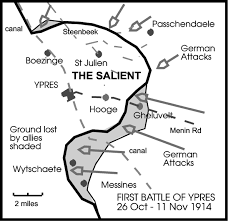
Generals of the era treated both sizes of Salient in exactly the same way, that is, the large scale strategic way that they had been taught, this lead to many, many needless deaths, and gave away many a tactical level advantage.
So I know that this example sounds a bit contrived, but I have found that when dealing with senior stakeholders, grander examples hit home better, and hopefully it will convince them that sometimes a tactical solution works where a strategic one will not.