Mental Health: how to REALLY help as a manager


Let’s face it: corporate mental health initiatives can sometimes feel like lip service. Much like big companies suddenly sporting rainbow logo’s during Pride Week, these efforts often come across as more public relations than genuine support.

So I want to share a few insights on what I have found truly makes a difference when it comes to supporting your team’s mental well-being. 1.

Be their Bastion, be their Shield

A lot of anxiety at work comes from feeling under constant threat: stress, fear of failure, or uncertainty about job security. One of the biggest ways you can help is by letting your team know you have their backs, that no one is about to be thrown under the bus as a “sacrificial lamb” when something goes wrong.

The reassurance that mistakes or setbacks won’t lead to immediate punishment is a powerful stress reliever. It gives people the mental space to recover, learn, and even grow from challenges rather than spiralling into worse mental health issues.

This is the most important hint here, but just screw it up once and you have ruined it; never throw your team under a bus for personal advantage.

Acknowledge the Fear of Stumbling

Many high-performing teams talk about the “fear of stumbling”, the worry that showing any weakness will get you sidelined or quietly replaced. This mindset pushes people to hide their struggles until they completely burn out.

Your role as a manager is to let your team know that if they do stumble, it’s not the end of the line. Yes, there are still formal processes to follow (like company leave policies), but make it clear that stumbling doesn’t mean they lose their place on the team.

In fact, going through mental health challenges can make someone stronger in the long run. Welcome them back when they’re ready, and help them get back up to speed without penalising them for being human.

Be Transparent (But Kind)

When someone on your team is dealing with mental health issues, honesty is crucial. Telling someone, “Take as much time off as you want; it doesn’t matter!” can feel disingenuous because, of course, project timelines and responsibilities still exist.

People know that behind the supportive smile, plans are being made to keep things moving or to reassign tasks if necessary.

So, be direct about it. Explain how the team will manage while they’re out, and show them you’re prepared to keep the project going without making them feel guilty or abandoned. Emphasise that they are still valued and that you look forward to their return whenever they’re ready.

This balance of honesty and empathy helps them trust you and the company, instead of worrying they’re a burden or assuming the worst.

Reassure Them There’s a Place When They’re Back

Finally, make it crystal clear that once they’ve taken time to address their mental health, they will be welcomed back with open arms. This is key.

People recovering from mental health challenges often worry they won’t be seen as capable anymore, that their peers or managers will view them as “less than.” Spell out that this is not the case: you want them back, and you’ll support them in catching up. That sense of security and belonging is one of the best ways to foster a mentally healthy workplace.

The Bottom Line

Real support goes beyond checkboxes and slogans. It’s about creating an environment where people feel safe to stumble, recover, and so they can learn and grow without being cast aside.

It’s about honest conversations, clear plans, and a genuine understanding that mental health isn’t a liability—it’s part of being human. As a manager, you have the power to set that tone. Use it wisely.

  1. This is based on practical experience rather than any qualification[]

Personal Effective Times


Humans all work differently. Some of us require more sleep than others, and many of us are more productive at specific times of the day. It’s simply how we’re wired.

Despite this natural diversity, the modern work culture often follows a rigid schedule, such as the traditional 9-to-5 or even the extended 8-to-6 professional workday.

The challenge in today’s world lies in aligning your personal peak productivity hours with the demands of your clients or employers.

Discovering Your Peak Hours

If you’ve identified a particularly productive window in your day, for instance, my own tends to be between 4:30 PM and 7:30 PM, it’s crucial to protect that time. Allocate it to meaningful work within your personal schedule.

Avoid wasting it on unproductive meetings or tasks that don’t require your peak focus. With a bit of observation over the years, you’ll notice when these times occur naturally, and you can plan accordingly to maximise how much you really get done.

Leveraging Flexible Work Arrangements

Good managers and colleagues often recognise that people’s productivity varies throughout the day and make accommodations accordingly. Make sure you are part of this and help people become aware of it.

For example, they might say, “Maurine always sends the finance reports right after lunch, so I just leave her to it.” This kind of observation has become even more relevant with the rise of remote work during the pandemic and the increasingly 24 7 nature of corporate life.

By guarding yours and your team’s most effective hours, you’re not only doing yourself a favour but also helping your team achieve better results. It’s a win win situation.

A Broader Perspective on Productivity

An important aspect of personal effective working is also understanding the global nature of today’s workforce. For instance, a recent Diwali holiday highlighted this for me.

Diwali, much like Christmas or Ramadan, is a significant occasion that deserves respect. Yet, some people only perceive it through a narrow lens, thinking, “I won’t get what I need from India today.”

Such attitudes reveal a lack of broader thinking. Encouraging colleagues to appreciate these global nuances fosters not just better relationships but also a more effective and respectful working environment.

Final Thoughts

Understanding your personal peak productivity times is essential to thriving in today’s demanding world. Aligning your schedule to get the most of these hours while staying aware of cultural differences can elevate both your efficiency and your workplace relationships.
It’s about the old phrase of working smarter, not harder, and fostering a work culture that values individuality and respect, meaning that people want to work better together.

Understanding the Praise/Worth Cycle


Have you ever noticed how some people thrive on frequent praise while others are content with occasional validation? This dynamic, which I call the “praise cycle” (or the “worth cycle” as it’s more correctly known), plays a crucial role in how individuals perceive their value and stay motivated in their work.

As a team leader , manager, or project manager, you really should know about this kind of stuff, so let’s talk about it:

What is the Praise/Worth Cycle?

The praise cycle refers to the frequency and form of validation a person needs to feel valued and motivated. For some, this could mean verbal affirmations, while for others, it’s tangible rewards like paychecks or promotions.

Understanding your own praise cycle, as well as those of your colleagues, can significantly impact workplace dynamics and personal satisfaction.

Think of it like telling your partner, “I love you.” They might already know it, but the act of verbalising it reinforces the bond. Similarly, in a workplace, individuals need their efforts acknowledged to varying degrees and in different ways.

The Spectrum of Praise Needs

The need for validation varies widely among individuals:

High-Need Individuals:

These individuals require frequent feedback. They may benefit from daily check ins or regular affirmations that their work is valued.

Example: A team member who thrives on being told they’re doing an excellent job during daily status calls.

Low-Need Individuals:

Some people are content with minimal feedback, such as an annual review or a steady paycheck. Example: A contractor who sees payment for their invoice as sufficient validation of their efforts.

Praise Cycles in Action

The praise cycle can vary not only in timing but also in source. Validation can come from peers, subordinates, or superiors, and it’s essential to recognise these dynamics:

Daily Feedback:

Individuals with a daily praise cycle may be perceived as needy, but accommodating their needs can improve productivity and morale.
In a cold hearted way this requires assessing whether the effort of providing constant feedback is outweighed by the value they bring to the team.

Monthly Feedback:

Contractors and salespeople often operate on a monthly cycle, where the payment of invoices or commission checks serves as validation. For these individuals, tangible results matter more than verbal praise.

Annual Feedback:

Long-term employees often rely on annual performance reviews or promotions to validate their contributions. While these reviews are a common corporate practice, they may lack the immediacy some individuals need to feel appreciated.

Long-Term Validation:

Visionaries and dreamers may measure their worth by progress toward ambitious goals, such as climbing the corporate ladder or achieving a significant personal milestone.

Types of Validation

Validation can take many forms, including:

Verbal Praise:

Positive affirmations like “You’ve done a great job this week” or “We couldn’t do this without you.”
Though sometimes dismissed as sycophantic, this form of feedback can be crucial for some individuals’ morale.

Organisational Recognition:

Titles, promotions, or increased responsibility can signify worth to some people. While they might seem superficial to others, these accolades often hold deep meaning for the recipient.

Tangible Rewards:

Pay raises, bonuses, or perks like company cars or extra vacation days provide concrete validation, and while sometimes dismissed with a “you are only in it for the money” if that is how a person judges their worth, then that is what you will need to provide to get the best from them.

Managing the Praise/Worth Cycle

To effectively navigate the praise cycle in yourself and others:

Understand Your Own Cycle:

Reflect on what motivates you. Is it verbal affirmation, tangible rewards, or career progression?

Be aware of how others might influence your perception of self-worth.

Adapt to Others’ Cycles:

As a leader or colleague, recognising the praise cycles of your team can help you build stronger relationships and work together better.
For example, a manager’s validation may come from their team’s praise, while team members might need daily or weekly encouragement.

Final Thoughts

Understanding the praise or worth cycle is not just about providing validation but also about building a culture where individuals feel valued and motivated.
While this might seem like a simple observational concept, its implications can profoundly impact workplace dynamics, personal growth, and overall satisfaction.
By recognising and respecting these cycles, you can create environments where everyone’s contributions are acknowledged in ways that actually really matter to them, whether through daily praise, tangible rewards, or long-term goals.

Ultimately, this awareness makes us better colleagues, leaders, and fellow humans.

How to start a corporate chat


Starting a conversation in a corporate chat client effectively is crucial nowadays, especially with the widespread use of chat platforms like Teams and Google Chat.
These tools can be incredibly helpful but also frustrating if not used properly. One of the biggest pitfalls is failing to start a message in a way that does not trigger a negative response.

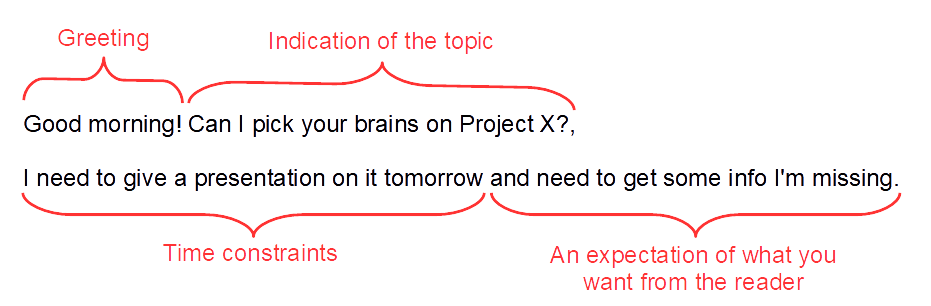
When beginning a chat, start with a simple greeting, a brief mention of the topic, and what you hope to achieve from the conversation.

This approach is straightforward but very effective. For example: “Good morning! Can I pick your brains on Project X?, I need to give a presentation on it tomorrow, and I’m after some info I am missing.” This includes a greeting, an indication of the topic, and sets expectations and time constraints—all in a single sentence.

This structure helps others gauge the priority of your message and reduces any confusion.

In addition, avoid vague or overly chatty openers, like “Good morning. How are you today?” spread across multiple lines, which leaves the recipient wondering what you need and also frustrated, especially if you are a slow typer or expecting responses.

Finally, try to avoid abrupt messages that skip all courtesy, such as jumping straight to “Is System X down?” While this may be acceptable in urgent situations like outages, omitting basic courtesies in routine requests (like “Is Report X ready for next week’s meeting?”) can come across as rude and dismissive.

How Senior Managers and Directors Can Genuinely Help When Projects Get Stuck


Every project faces moments when progress slows or comes to a standstill. At these critical points, senior managers and directors have an essential role to play in genuinely providing solutions. However, the approach they choose to take can either resolve the issue or just make it more complex for the rest of the teams.

Having done the whole senior management thing myself 1, I noticed a common pitfall: managers mistakenly believe that simply escalating an issue or demanding results equates to genuine assistance.

Due to their authoritative roles, senior management involvement is often immediately noticed and acted upon, but this can mislead them into thinking their mere presence or directive is helpful. In reality, merely escalating issues without offering tangible solutions frequently “robs Peter to pay Paul,” solving one issue temporarily but creating another elsewhere.

So, what does genuine help from senior management look like?

Provide Real Additional Resources: Effective intervention often requires additional resources. Crucially, this doesn’t mean reallocating existing staff or resources but genuinely investing in new resources, such as hiring additional personnel, acquiring necessary tools, or making strategic investments.

Unfortunately for managers, genuine assistance often comes in the form of increased budgets or funding to support urgent needs 2.

Offer Broader Perspective and Insight: Senior managers and directors usually have a comprehensive view of the organisation, enabling them to identify solutions or resources that may not be visible to project teams.
Sharing knowledge about other teams or departments that can assist or suggesting alternative solutions based on wider organisational insights can be immensely useful and shortcut a lot of problems.

Adjust and Clarify Priorities Thoughtfully: While frequently shifting resources is usually counterproductive, there are strategic exceptions. Occasionally, reducing pressure on one initiative can free up critical capacity to address more pressing issues.
This approach, however, must be carefully managed and clearly communicated to avoid confusion or resentment within teams.

Provide Support and Protection: Sometimes, the best assistance senior leaders can offer is protection from external pressures or excessive interference.
Shielding project teams from undue scrutiny or conflicting demands allows them to focus clearly on solving critical issues. Effective support might simply mean advocating for more realistic timelines or managing stakeholder expectations more effectively.


In short, effective senior leadership intervention requires more than mere escalation—it requires thoughtful, resourceful, and strategic support. When done correctly, this not only resolves the immediate issues but also strengthens the broader organisational effectiveness, and we don’t end up with a load more tech debt, which messes things up further down the line.

  1. and not enjoyed it half as much as I thought I would[]
  2. Sorry, but it does, and yes, it’s a lousy job[]