Ever notice how, in many projects, people are quick to claim authority, attend meetings but slow to take responsability for the risks and tedious parts of the job? Enter the “Spider Man Principle,” which reminds us that with great power comes great responsibility.
This fun but effective tool is designed to keep team members and stakeholders from causing chaos by grabbing control without accepting that having that power means you have to do some work.
If someone be it a colleague, manager, or vendor wants ownership of a project or program, they must also embrace all the potential ownership risks, work actions, and the not-so-glamorous admin tasks. In practice, this often deters those seeking leadership roles for the wrong reasons.
Many who chase power only to boost their image quickly lose interest when they realize it involves hard work, accountability, and attention to detail.
Ultimately, the Spider-Man Principle helps maintain a healthy project environment by ensuring that anyone stepping up to lead does so with a clear understanding of both the perks and the responsibilities.
It’s a simple, effective way to protect your team from power grabs that lack real commitment and selfish motivation.
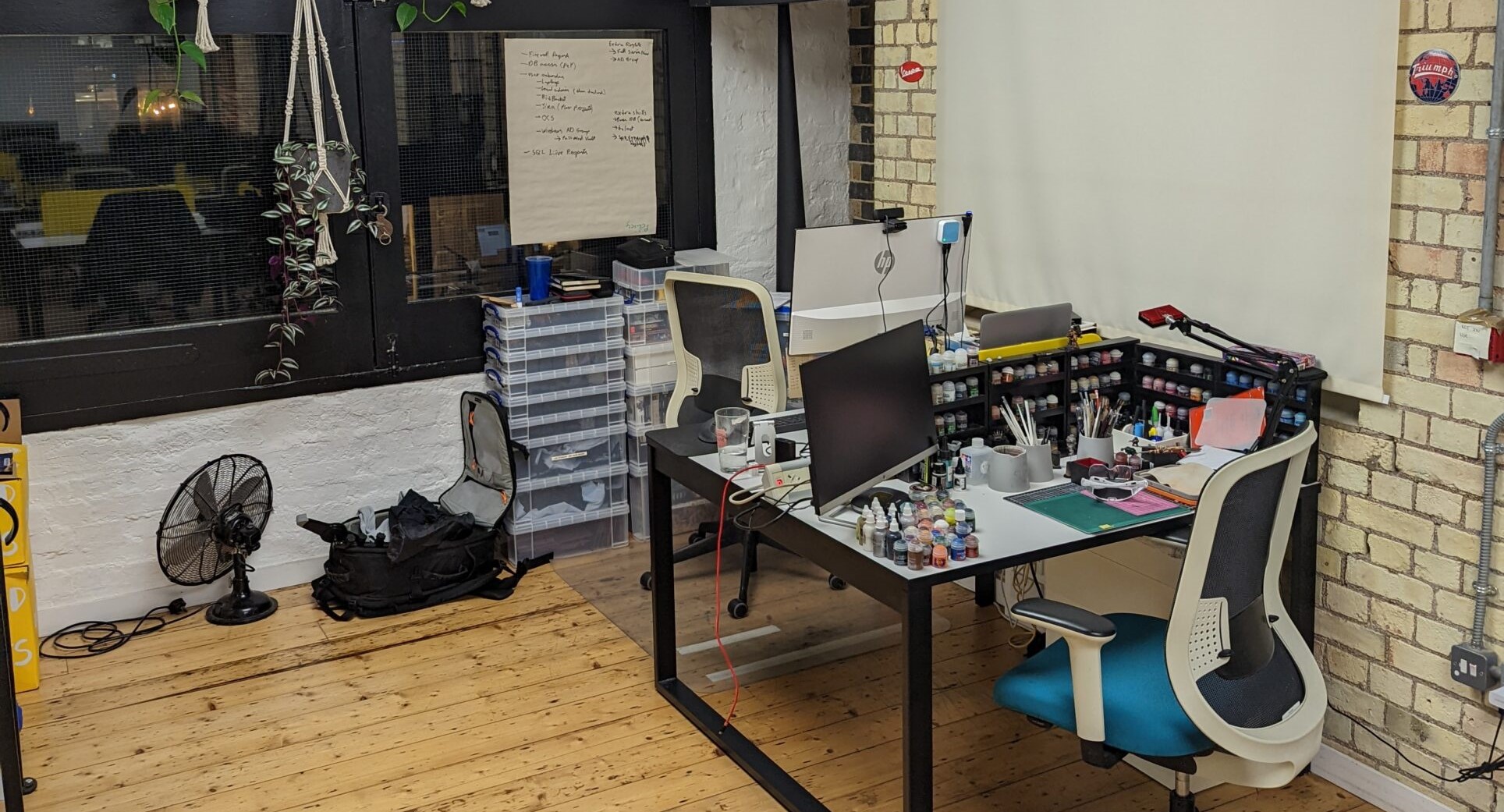
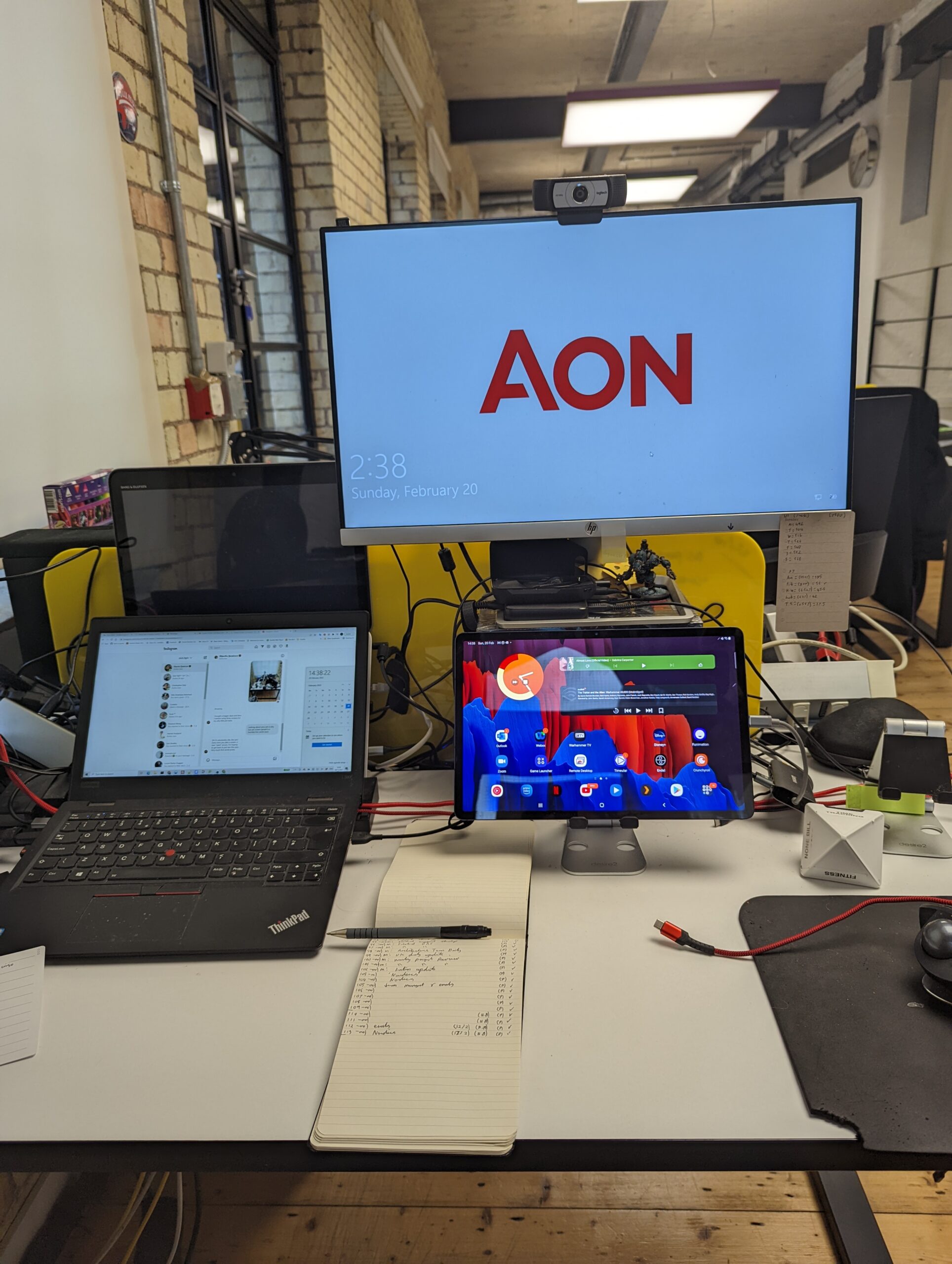
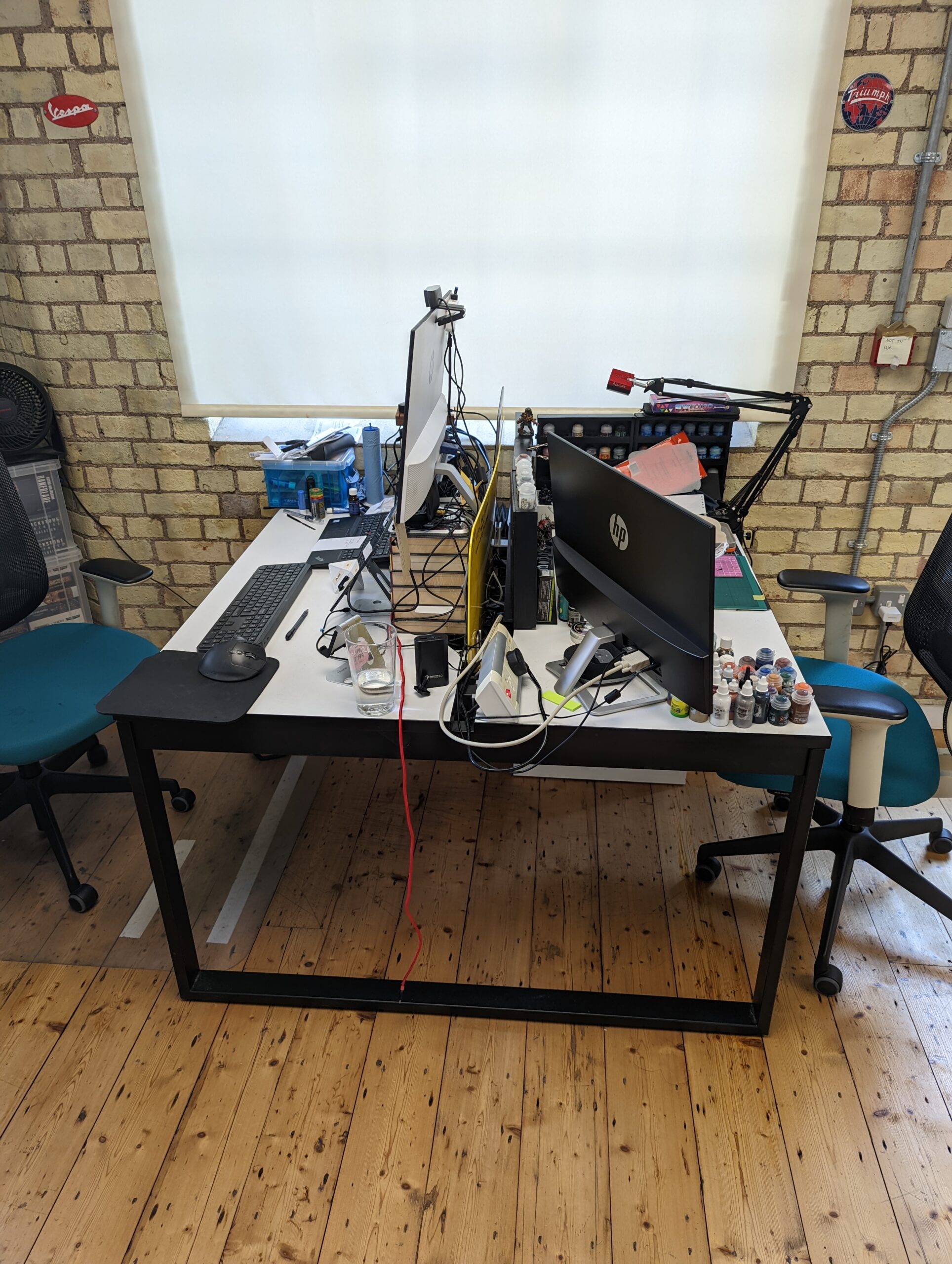
This post is long overdue, but as I stumbled across the draft while cleaning up, I felt compelled to give Purple Patch the tribute it deserves. The website is gone, the office is closed, but there should be at least one memorial to a place that was my professional home for eight remarkable years.
I was a resident of Purple Patch for ages, and in all that time, it was the perfect office for me.
In a world where coworking spaces often cater to people working two hours with a latte on a sofa, Purple Patch was different. It was a place to get work done. It was a place where you could start at the crack of dawn, deliver for clients, hit your goals, and make things happen.
But now, it’s all gone. The office, which miraculously survived the Covid lockdowns, just couldn’t bounce back. The demand never returned to the levels needed for survival. One of the best truly independent coworking spaces in London had to shut its doors.
But there were times I saw Purple Patch at its busiest, filled to capacity, hosting clients from multi-billion-dollar companies.
I’ve celebrated wins, weathered losses, and even failed spectacularly at tabletop football. I’ve closed deals that kept the lights on and worked on projects that pushed my boundaries.
I started in a small corner, gradually spreading out to take over more space as both my work and hobbies expanded. The people who worked there and brought it to life made it special, and years later I still miss the place.
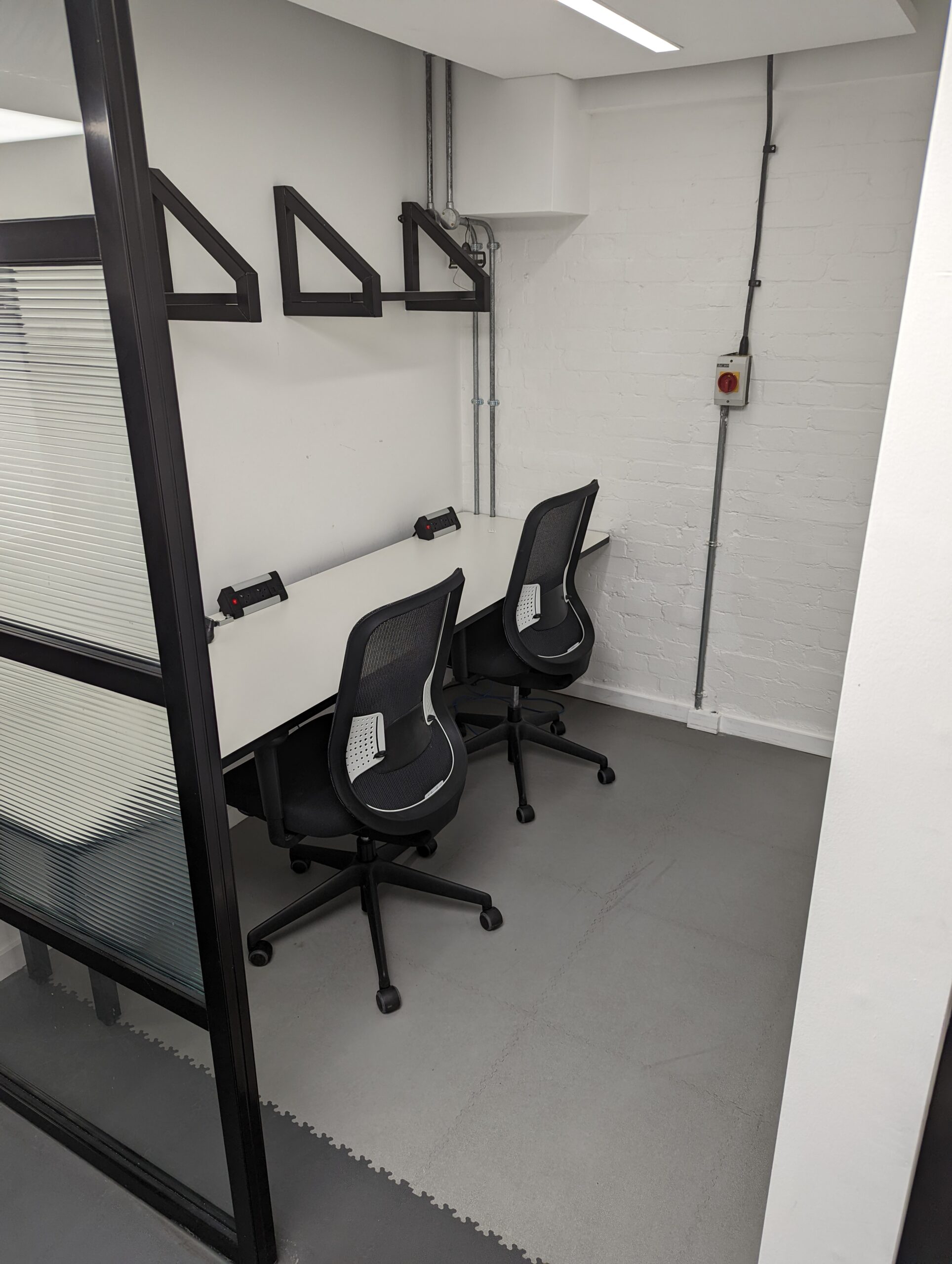
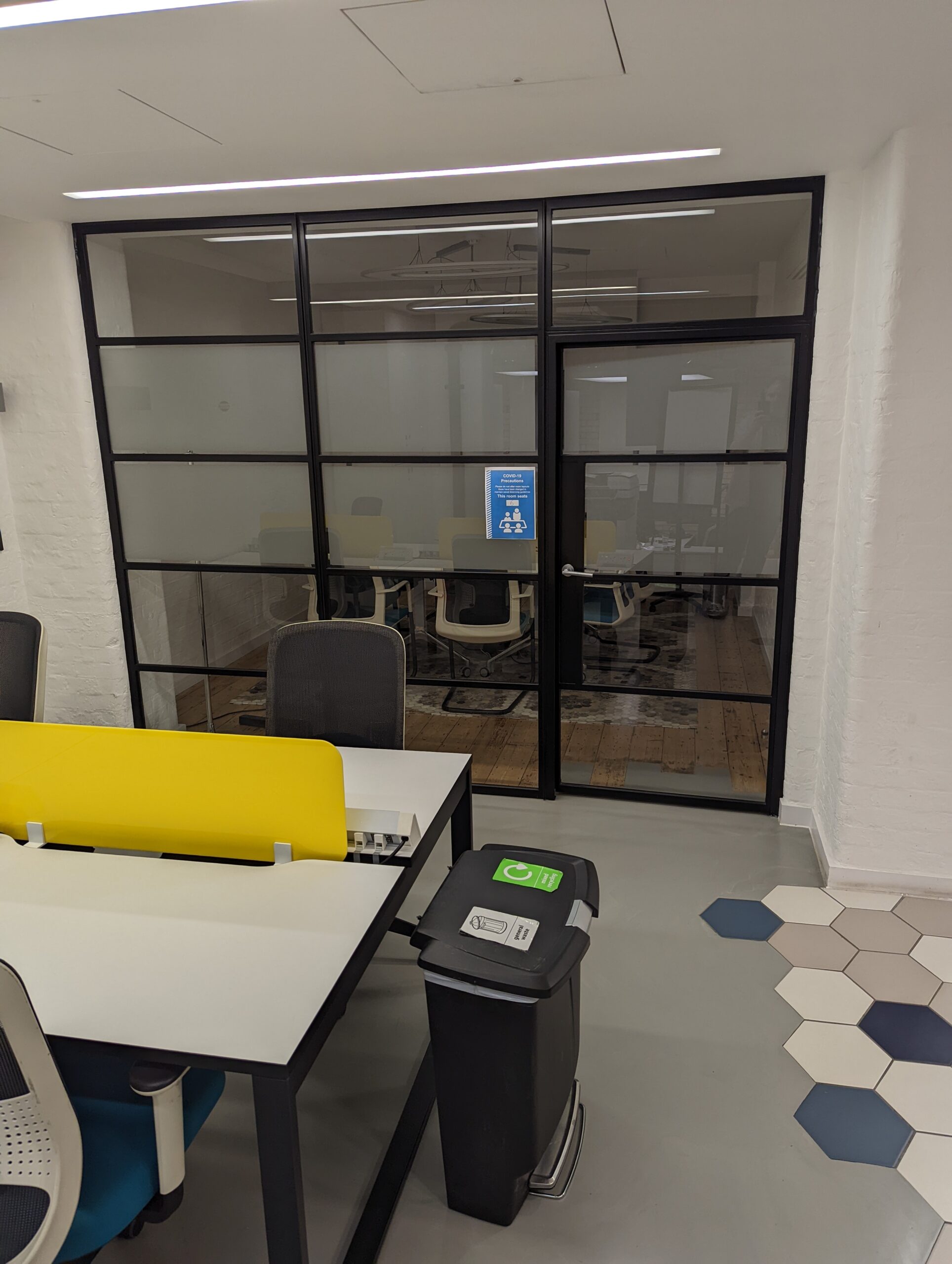
Purple Patch wasn’t just an office, it was a place of character. It wasn’t a coffee shop for sending a few emails, nor a corporate warehouse filled with rows of lifeless desks. It was a space designed to work in. It felt like a cozy library: a labyrinth of nooks and crannies, meeting rooms, and mismatched chairs. Yet, it still felt like home. The 24-hour access meant I could work whenever inspiration (or deadlines) struck. I’ve spent entire nights there, catching a quick nap on the sofa during relentless work stints.
I’ve arrived before sunrise and left long after dark. It was adaptable and welcoming, yet polished enough that I could proudly host even my most high-profile clients.
It wasn’t just functional; it had everything I wanted: good chairs, sturdy desks, blazing fast internet, and a well-stocked kitchen. And let’s not forget the coffee. Unlimited, delicious, life giving coffee from the giant posh coffee machine on the ground floor.
Everyone I brought to Purple Patch loved it.
But the pandemic changed everything. Before COVID, Purple Patch was 95% full. The desks were occupied by corporate satellite offices, freelancers, and startups brimming with energy and ambition. Then, overnight, it was empty.
During the lockdowns, I was often the only one there. The space became mine alone, a surreal 150 seat office all to myself. I brought in an exercise bike, indulged in hobbies, and used the downtime to keep things tidy and ready for others who might return. Some did come back, but the world they returned to had shifted.
Gone was the nine-to-five culture. Small businesses and solo entrepreneurs like me were replaced by hybrid workers splitting their time between home and office. Meanwhile, big coworking brands with deep pockets were offering massive discounts to lure people in, and landlords were eager to cash in on the changing landscape. Purple Patch just couldn’t compete; even if they knew sooner or later it would return to everyone needing to be in an office.
In the end, the landlord reclaimed the property, planning to merge it into a larger, more profitable but undoubtedly soulless development.
It’s a damn shame. The eight years I spent at Purple Patch were some of the most productive and meaningful of my career. It was a place I could count on through the challenges, late nights, and tight deadlines. I haven’t found anything better, and I’m not sure I ever will.
So here’s my epitaph for Purple Patch: a place that wasn’t just an office but the type of real community that you can’t artificially create.
Recently I have been trying to eat a bit better and cheaper; one way that has worked has been easy overnight oats, and while there are hundreds of complex recipes out there, this is the simplest one that I have found that works for me
2. Chuck 2 cups of rolled oats ( 360 grams) in the bottom
3. Blend or mix 2 scoops of protean powder (80ml) with about 500 ml of oat milk. I have found that the extreme protein mix from The Protein Works is great and works well (the Salted caramel bandit is my favourite to go with banana).
4. Pour this over the oats and top up with milk to fill up the tub. Close and give a good shake, then leave in the fridge overnight.
This version tastes like Banoffee pudding. <happy sigh>
or chuck in a handful of fruit; the frozen bags of it you get in any supermarket are perfect[↩]
In the corporate world, formal Service Level Agreements (SLA’s) are a staple. These agreements, often implemented through platforms like ServiceNow or Jira, establish clear expectations regarding response and resolution times.
For instance, they might define how many hours a team has to acknowledge or complete a user’s request. These provide structure and clarity that businesses and prjects can depend on.
However, beyond these formal agreements, there exists a less defined yet equally important concept: informal Service Level Agreements.
These reflect the everyday communication expectations that arise in workplace interactions. Informal S.L.A.’s vary depending on the communication medium, the urgency of the matter, and the individuals involved; they also change with what level of delivery you are producing.
Over time, I’ve observed some general guidelines that seem to work well across different organizations. Let’s break these down.
Email Communication
For most email communications, there’s an unspoken expectation to respond within 24 hours during business days.
This standard applies to everything from straightforward requests to more complex tasks. If you’re unable to provide a complete response within that timeframe, perhaps due to a heavy workload or the complexity of the request, a brief reply acknowledging receipt and explaining the delay is a good practice. Indicate when the sender can expect a full response.
When it comes to emails marked as “important,” faster responses are typically expected—ideally within minutes. However, the urgency of such emails often depends on the sender’s behavior.
If the sender rarely flags emails as important and is known to use the label only when needed, their message likely requires immediate attention. On the other hand, if you have someone who seems to regard all their emails as critical and frequently marks emails as important without clear justification, the impact of the label diminishes, potentially slowing communication and harming productivity.
Instant Messaging
Response times in instant messaging platforms depend heavily on the context and the group dynamics. In group chats, especially those used for operational issues like outages or security breaches, immediate responses are expected—even outside of regular working hours. For personal or one-to-one communication, the standard is less rigid.
A response within an hour or during gaps between meetings is generally acceptable. That said, it’s important to address inefficiencies in how instant messaging is used. For example, some individuals treat instant messages as a repository for tasks, sending requests late on a Friday with the expectation that they’ll be addressed first thing Monday.
This practice can overwhelm recipients and disrupt workflow. Establishing and reinforcing appropriate boundaries for instant messaging is crucial to making sure that subject matter experts and other useful people don’t just become some sort of chat client receptionist unable to actually do any real work.
Levels of Delivery
Now that you have worked out the different informal levels of service and how fast you should respond, there are also different levels of what you are actually delivering
Technical Delivery
This is the foundational stage where the core system or infrastructure is operational. It’s akin to a newly constructed hospital that’s ready for use but hasn’t yet admitted any patients. While technically complete, it’s not yet delivering value.
Functional Delivery / Business Delivery
Functional delivery occurs when the system or service is actively used and creating value. Using the hospital analogy, this is when patients are being treated, and the facility is fulfilling its purpose. In a business context, it’s when a product or service starts generating revenue or achieving its intended outcomes.
Political Delivery
Political delivery focuses on presenting progress to stakeholders. For instance, the hospital may appear ready to operate but hasn’t yet treated any patients. These deliveries often arise in long-term projects where demonstrating visible progress is necessary to maintain stakeholder confidence. While political deliveries may not always align with the team’s priorities, they are sometimes essential for managing expectations and ensuring continued support.
Balancing it all
As I advance into more senior management roles, I’ve come to appreciate the importance of balancing these different types of deliveries. Political deliveries, in particular, often require short-term sacrifices for long-term gains. Helping your team understand this dynamic and keeping them focused on the bigger picture is key to maintaining morale and ensuring success.
One significant development recently in the UK freelance world, is the decline of the outside IR35 contract. For decades, IR35 has loomed over the contracting and freelance world, dating back to my very first contract.
The conversation around IR35 has been a long standing tug of war, with court battles, various solutions, and attempts to circumvent it. However, this year, things really did seem to change.
The Inland Revenue shifted its focus. Instead of targeting contractors and freelancers directly, it turned its attention to the finance departments of major corporations. This strategic change caused a ripple effect. Many clients, wary of the potential liability associated with contractors, simply stopped engaging them.
This purging of contractors aligned with the Inland Revenue’s stance that contracting should be a short-term solution. And, to some extent, it’s hard to argue with that perspective.
The problem, however, is with implementing that in a practical way
Large corporate projects often span multiple years and can grow and shrink according to issues along the way and require specialised expertise, that you would normally solve by hiring freelance contractors or consultants.
The new limitations make long-term, specialised projects harder to manage. However, these restrictions apply only to contractors, not vendors. This distinction creates a significant disparity in how companies operate; basically, big companies have it easier, and from the inside it seems like the Inland Revenue favours them. The Vendor Transition
Our company, LDC Via, is a small business founded by experienced contractors over 15 years ago. Our goal has always been to collaborate and build something beyond what we could do as individuals, a consultancy focused on delivering specialist products and value.
Now we formed because we were a like group of people that wanted to work together rather than the desire to be a “vendor” but that is what we have in fact become; we’ve had to navigate the complex transition from contractor(s) to a genuine vendor.
This process involves intense paperwork and administrative hurdles, as large corporate clients are structured to deal with single person contractors or huge vendors but not much in between.
Last year, this issue came to a head. We received a mandate enforcing a time limit on the period contractors could work at a corporation. All the freelancers working outside major vendors faced the same challenge.
However, we had acted internally as a genuine vendor for our entire existence, and we only used contracts verses vendor statements of work as they were simpler and easier for the client; a contract can be agreed upon and signed in under 48 hours, whereas a statement of work can take up to 3 months.
So ultimately, the move for us from contracting for a client to becoming a full vendor was just a paperwork change rather than a change in work style, something a lot of freelancers dont have the luxury of doing,
but for those thinking of making the same change and have a group of trusted colleagues that they can form a genuine company with. Here are the key challenges of being a Vendor:
Slower Payments
Vendors often face significant payment delays. While contractors and agencies are usually paid on a regular schedule, vendors can wait months or even a year to receive payment. This creates cash flow nightmares, particularly for small vendors.
Administrative Overhead
Vendors deal with more complex invoicing processes, requiring back and forth negotiations with procurement and accounts payable. This extra layer of admin work often necessitates hiring dedicated staff just to manage paperwork.
Delivery Based Payment
Vendors operate under stricter, goal oriented deliverables. Even if all deliverables are met, proving fulfilment can be challenging due to internal inefficiencies within the client organisation.
Vendors sometimes need to demonstrate internal incompetence in a client just to secure payment, a frustrating and counterproductive system that does nothing to foster a good working relationship.
High Costs
The added paperwork and administrative burden directly contribute to higher vendor costs. This “make work” system is inefficient but unavoidable in large corporations. Working “At Risk”
As statments of work take so long to setup and get agreed, clients often ask you to work “at risk,” which is another way of saying “can you start work without any formal contract or guarantee that you will be paid.” Obviously, the statment of work will be backdated. so you should be paid for your work in the end, its still a nerve racking business each time. This risk side is one of the core differences between vendors and contractors.
Why the Shift?
The Inland Revenue’s preference to vendors rather than contractors makes sense when considering regular payments.
Contractors, with their predictable monthly invoices, resemble employees, making them easy targets for scrutiny. On the other hand, vendors, plagued by irregular payments and chaotic processes, appear less like employees and more like separate entities, albeit at the cost of efficiency.
Conclusion
For contractors considering the leap to vendor status, it’s a challenging path. While we’ve successfully operated as a vendor for over a decade, the transition comes with significant paperwork, slower payments, and more admin.
The higher costs associated with vendors stem directly from these inefficiencies.
Ultimately, improving internal processes could benefit everyone involved. Until then, the distinction between contractors and vendors will continue to shape the way projects are managed in large corporations as well as how they are perceived by the Inland Revenue.