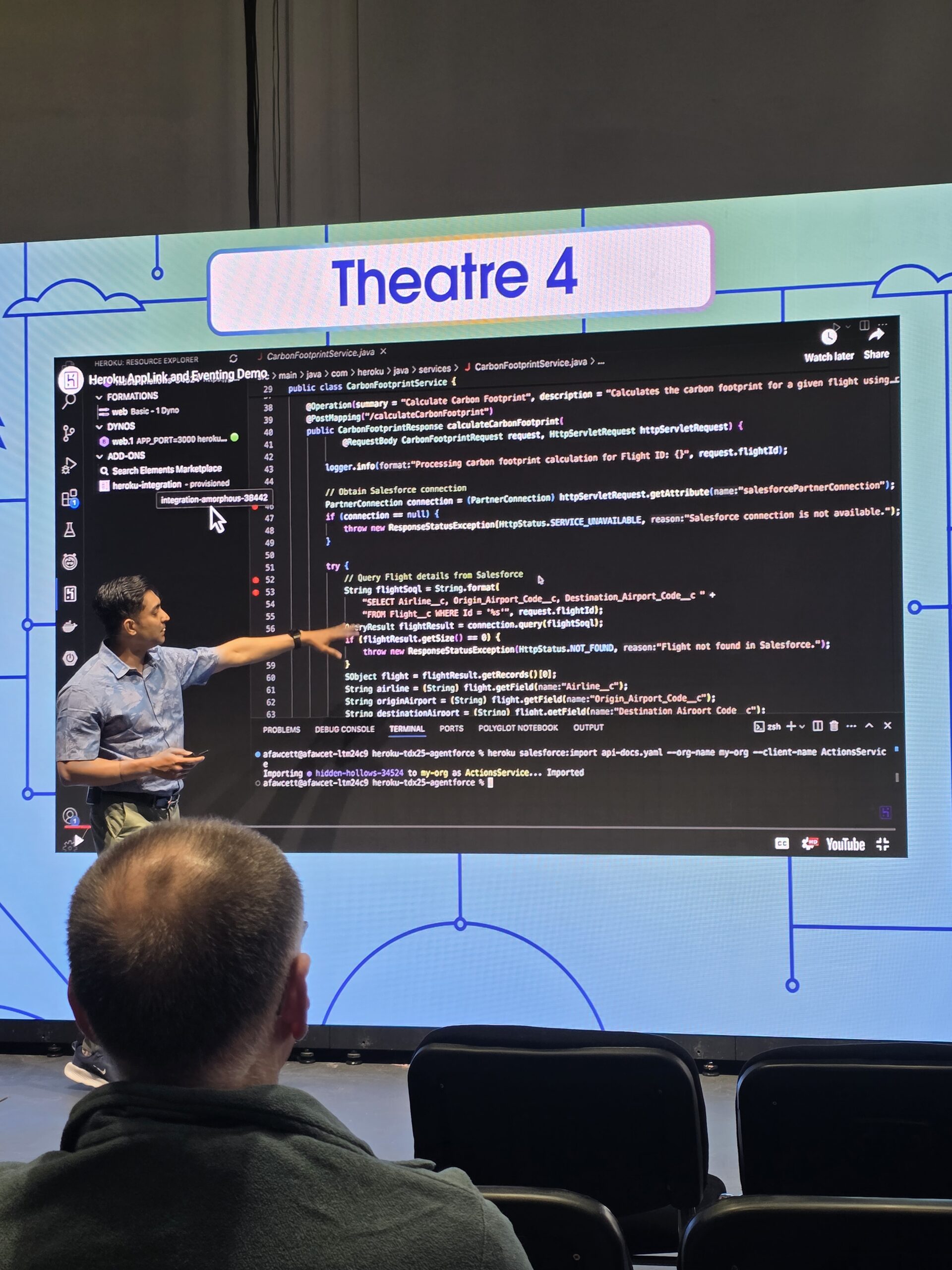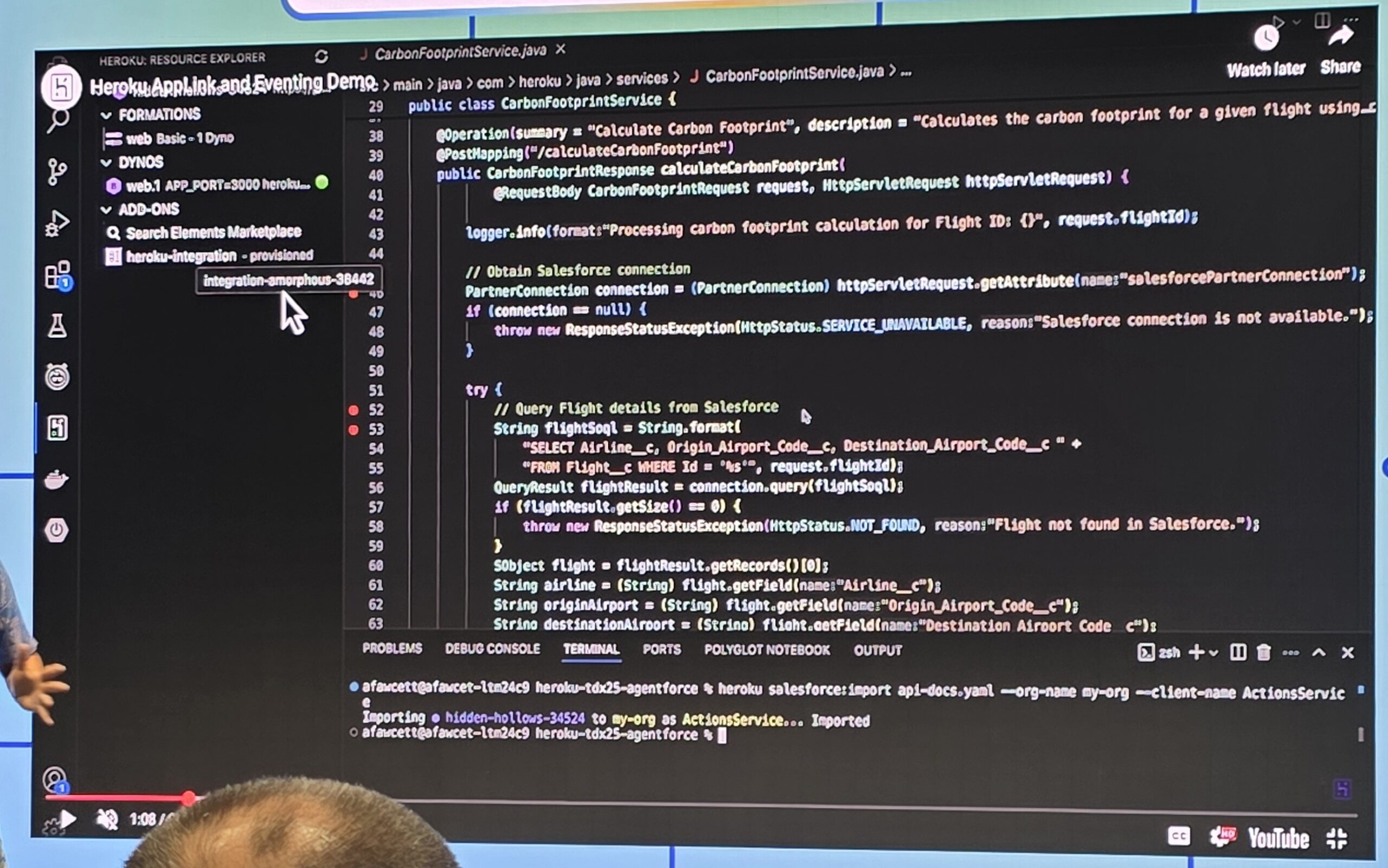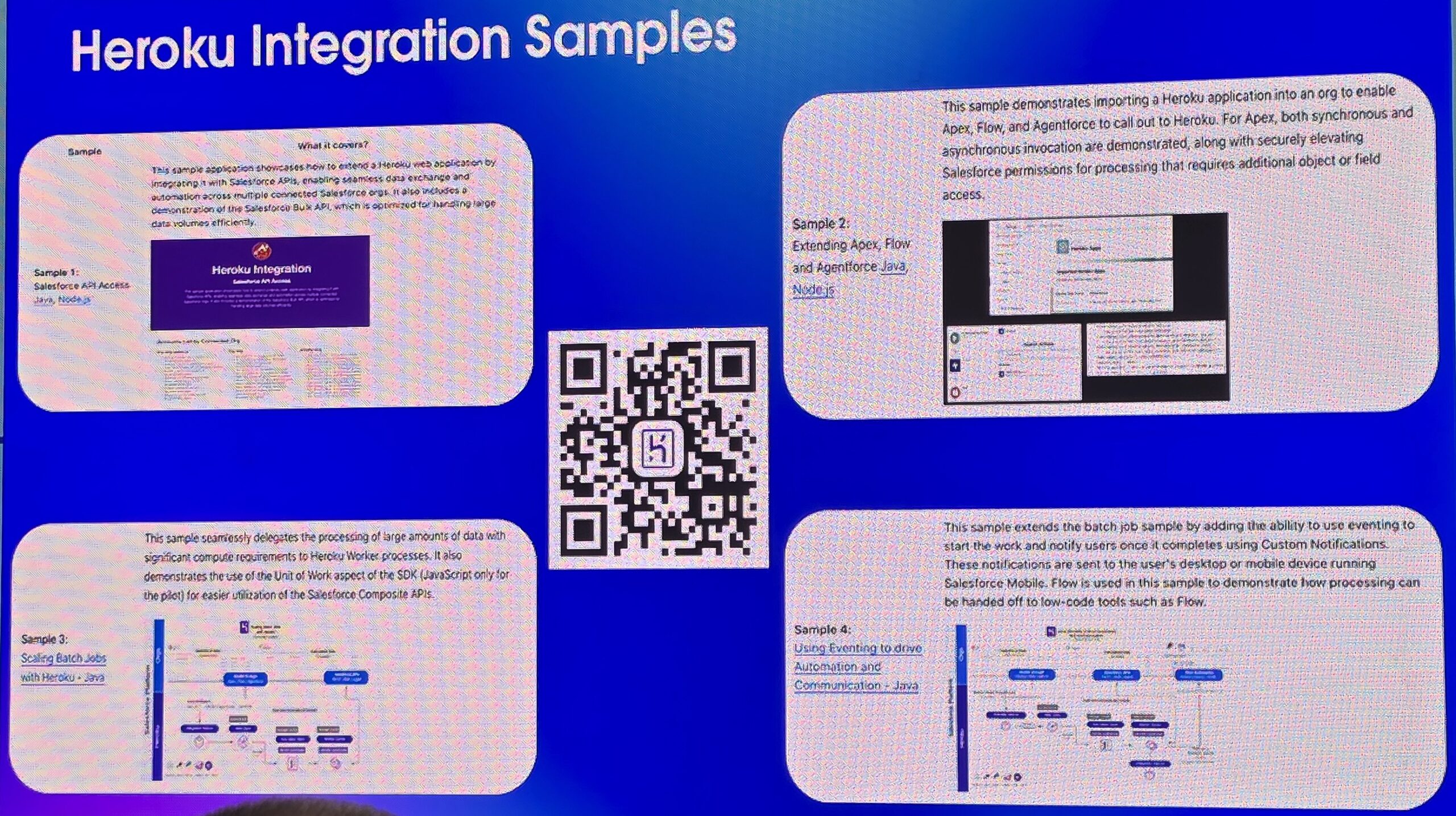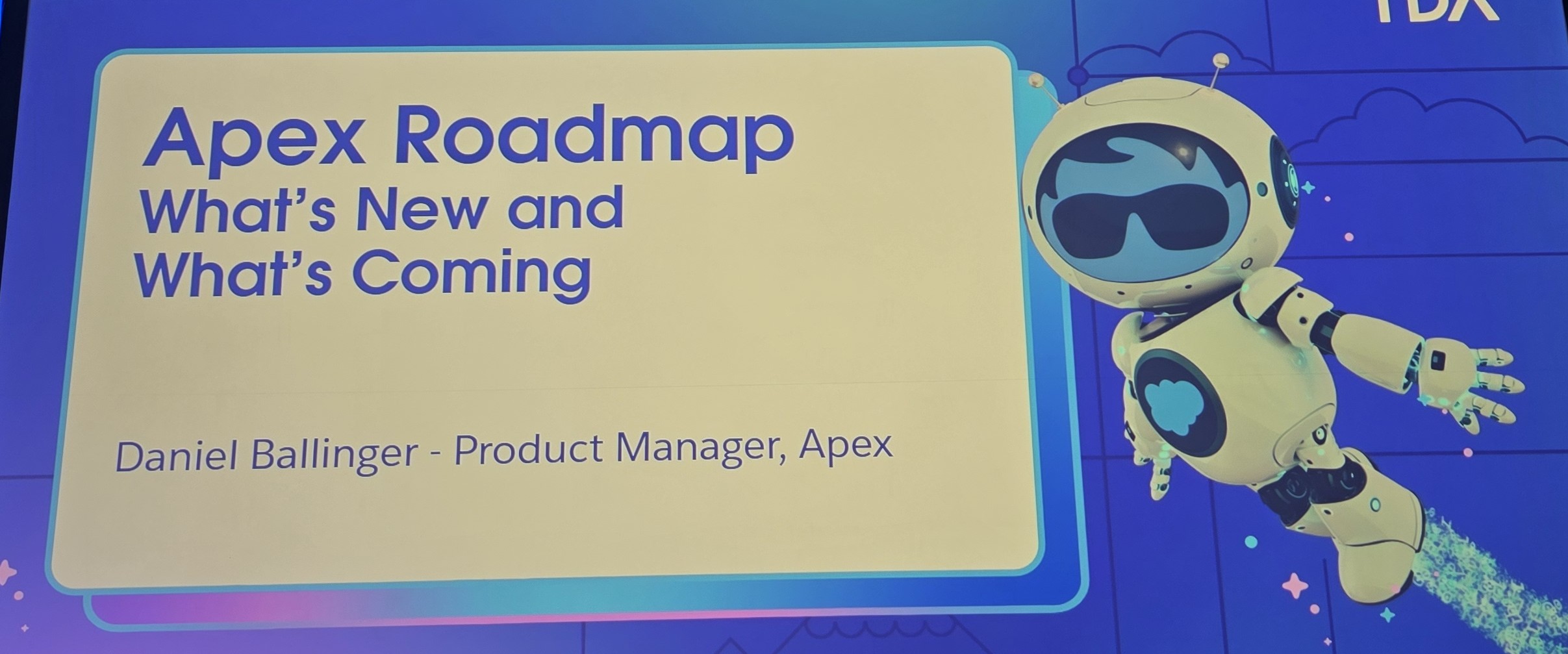
Salesforce IDX London 2025

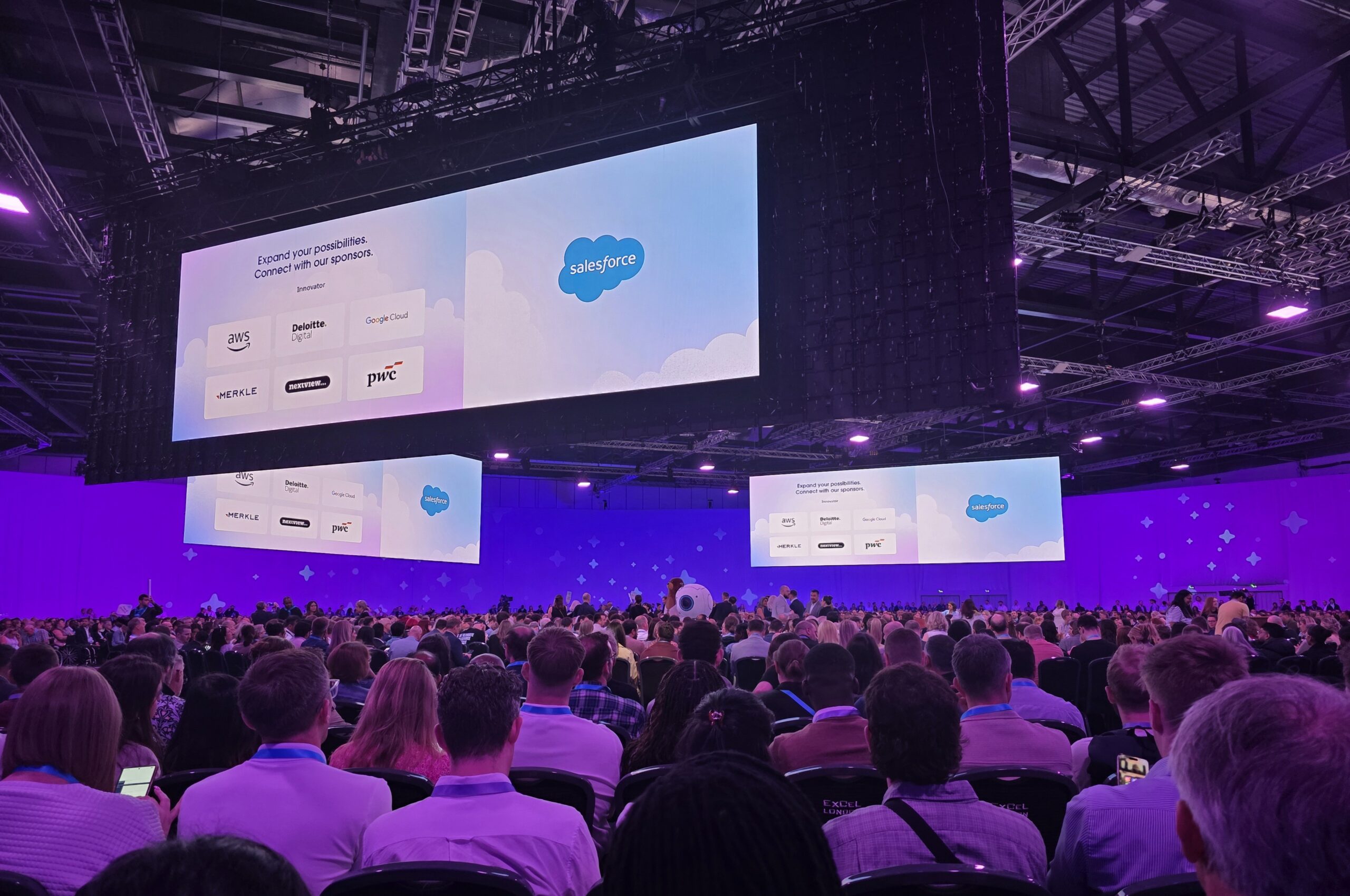
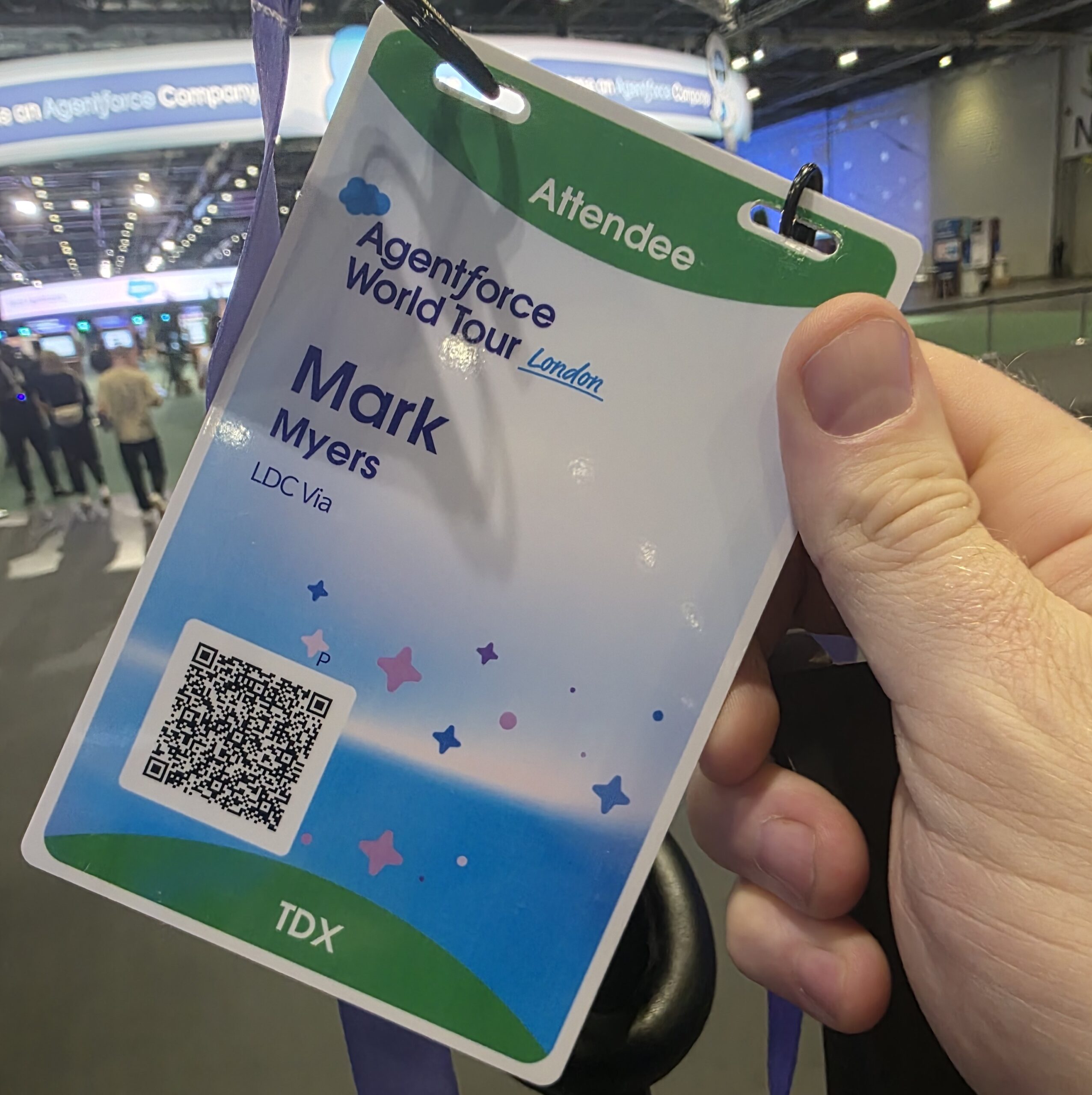
Salesforce IDX London 2025 recently wrapped up at London’s Excel Centre, bringing fresh energy and a heavy focus on AI sales. Previously known as Salesforce World Tour, this year’s event was a concise yet dynamic two-day showcase tailored to corporate attendees.

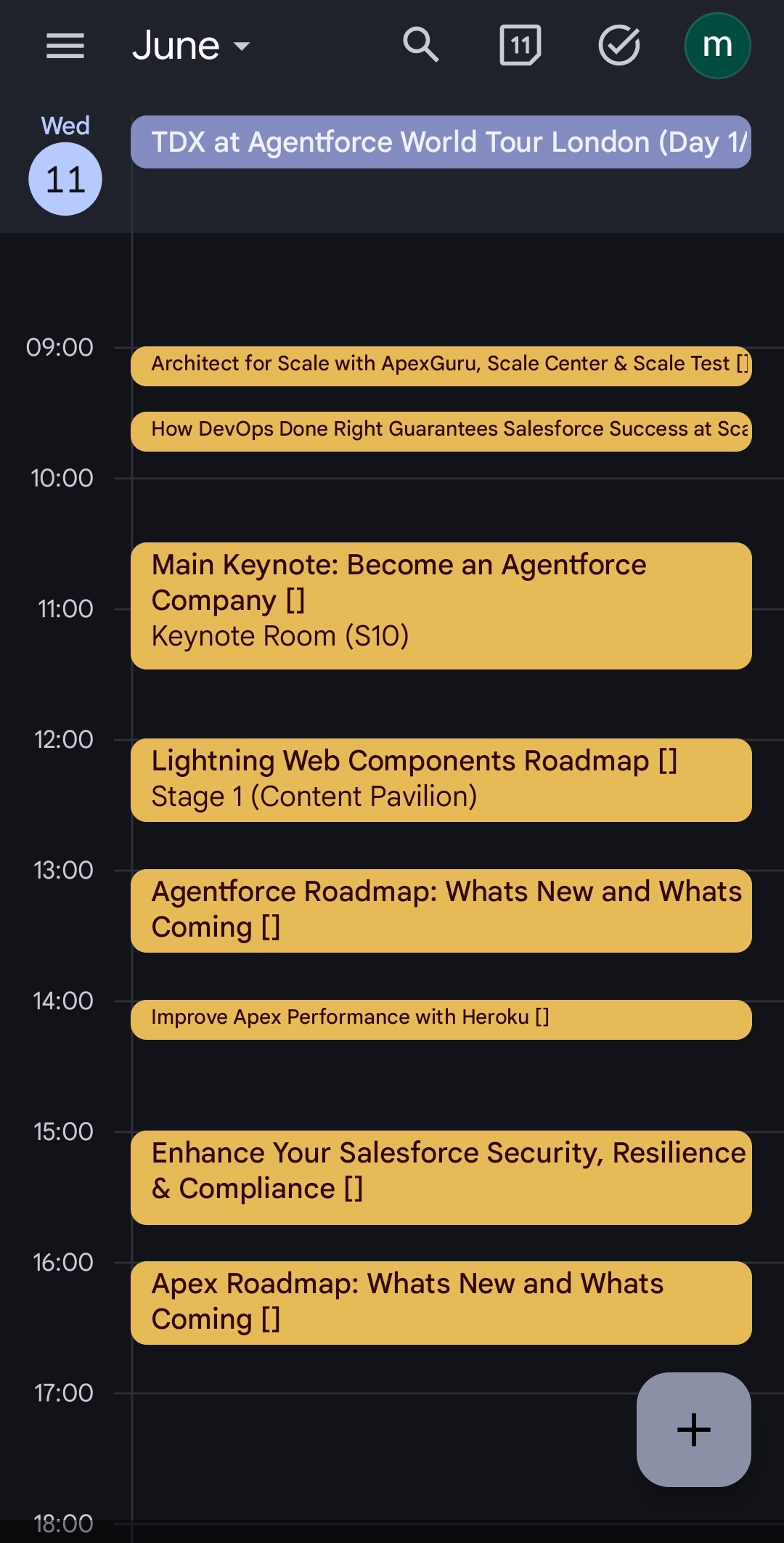
The experience began seamlessly, with an excellent digital booking system allowing us all to effortlessly build our personal schedules. Exporting these customised agendas directly to personal calendars streamlined the entire event and meant you got the maximum you could out of the whole thing.

The Excel Centre maintained its reputation as a polished, professional venue, well-organised and easy to navigate. making it easy to dive into the day’s packed lineup of presentations and networking opportunities. I like that the sessions are all in the main one room using headphones where needed, meaning there is as little walking around as can be managed.
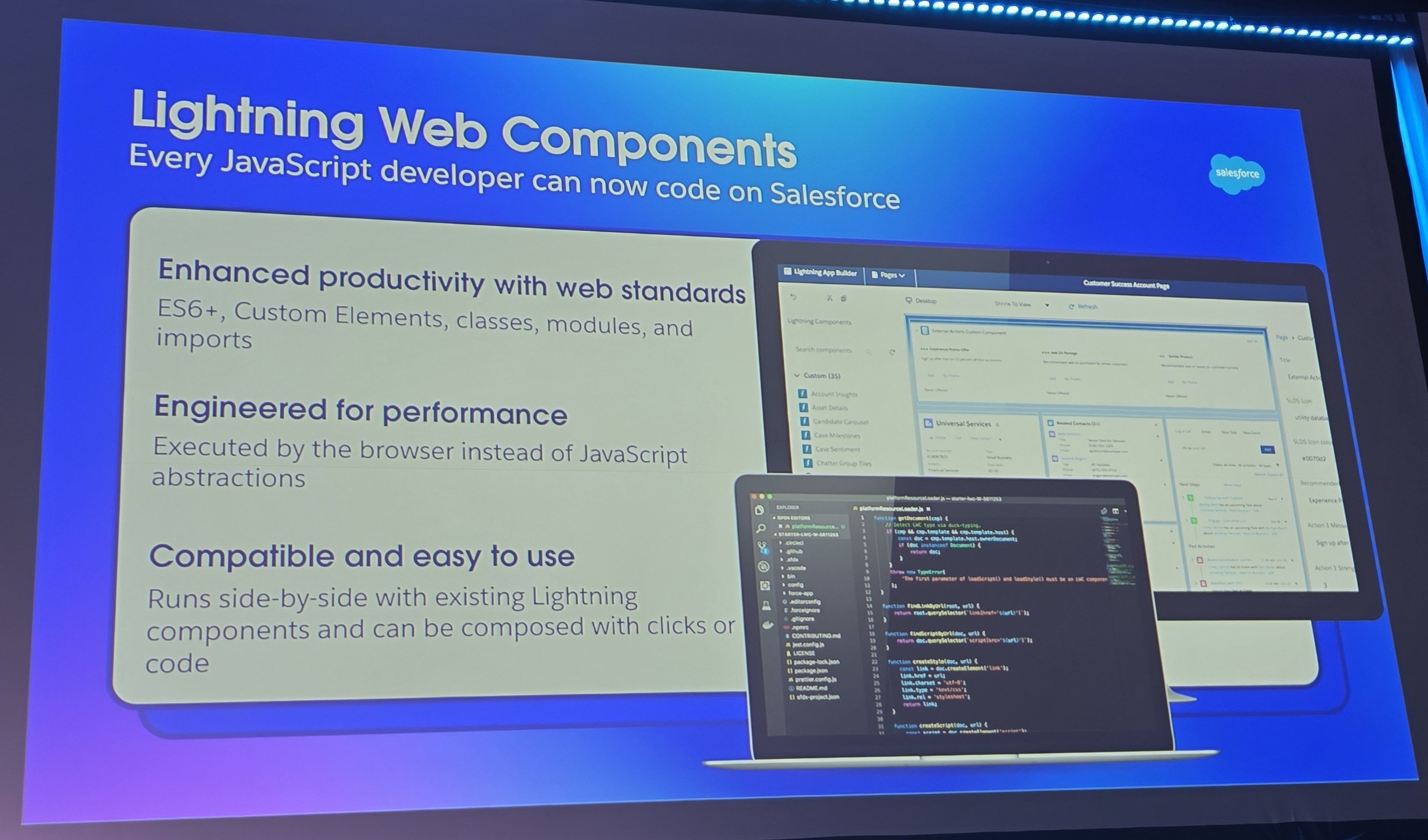
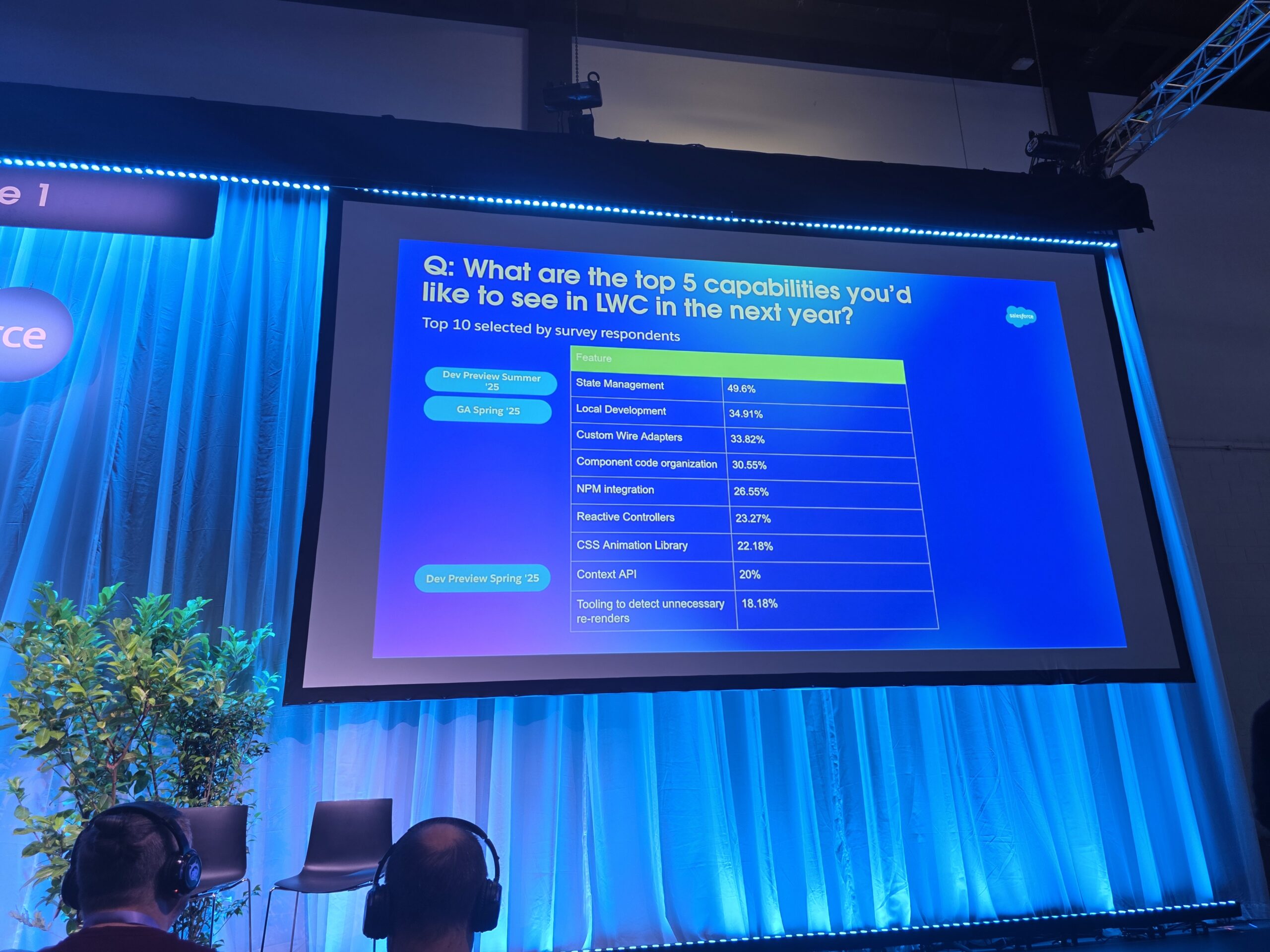
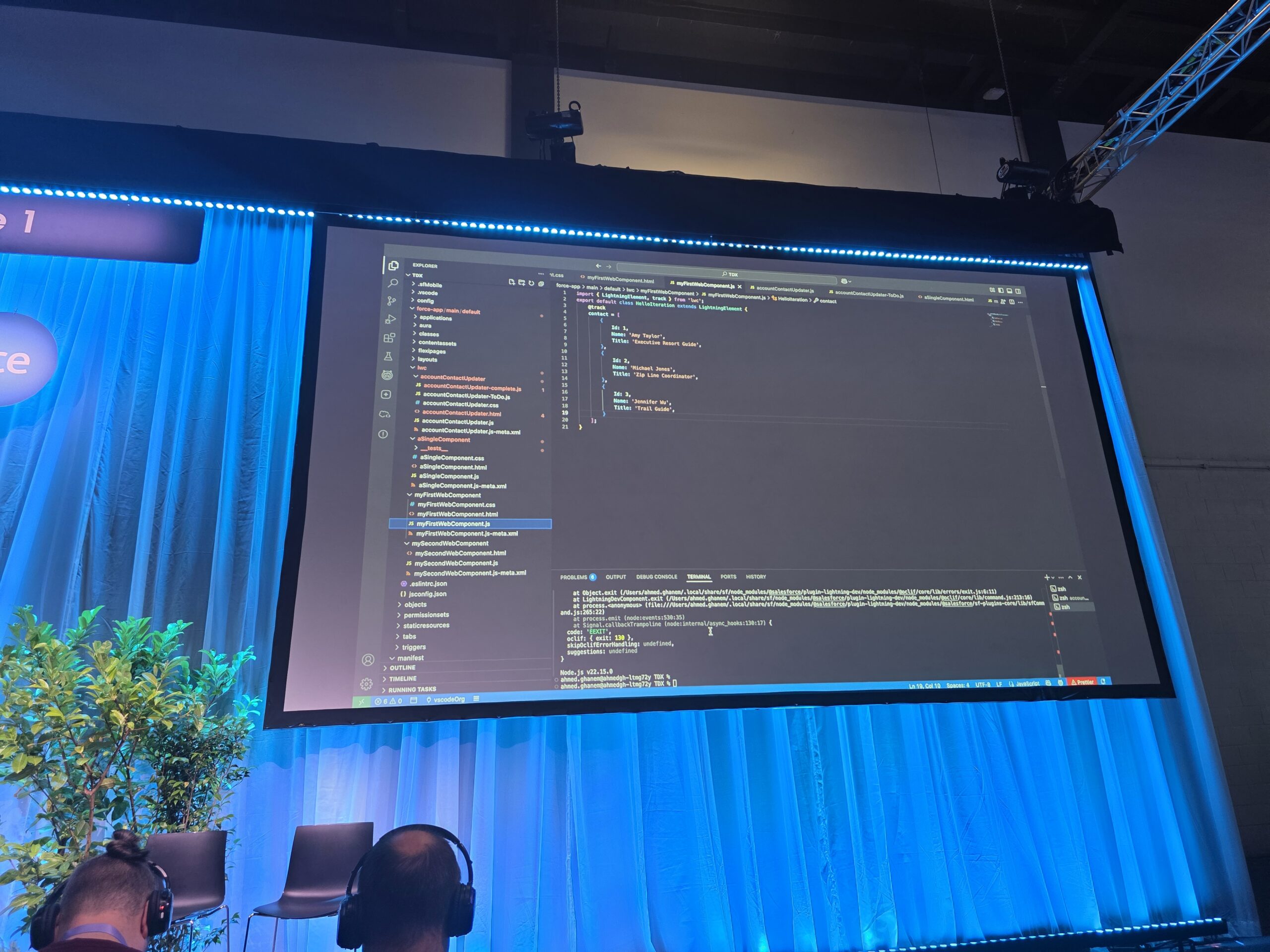
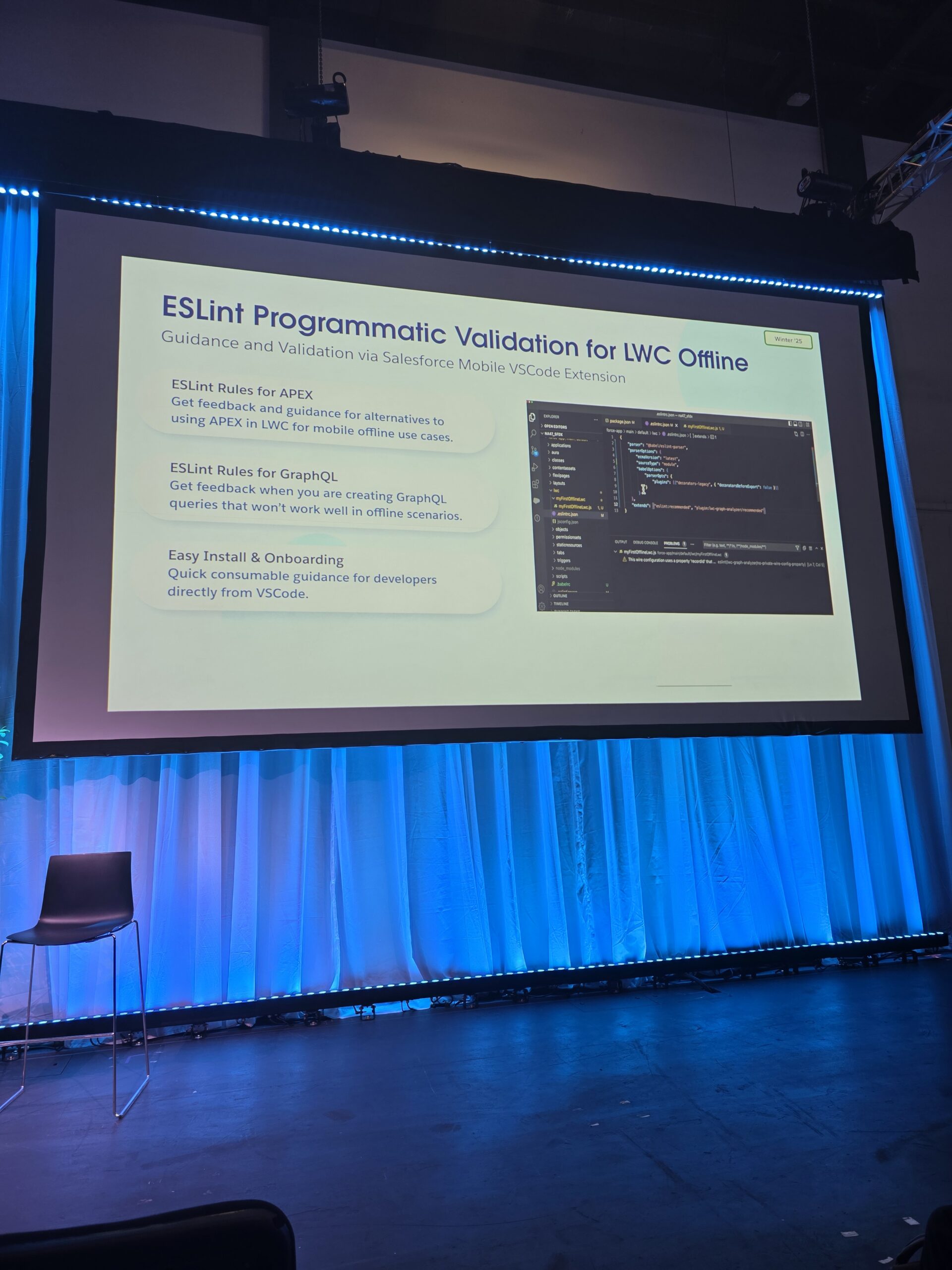
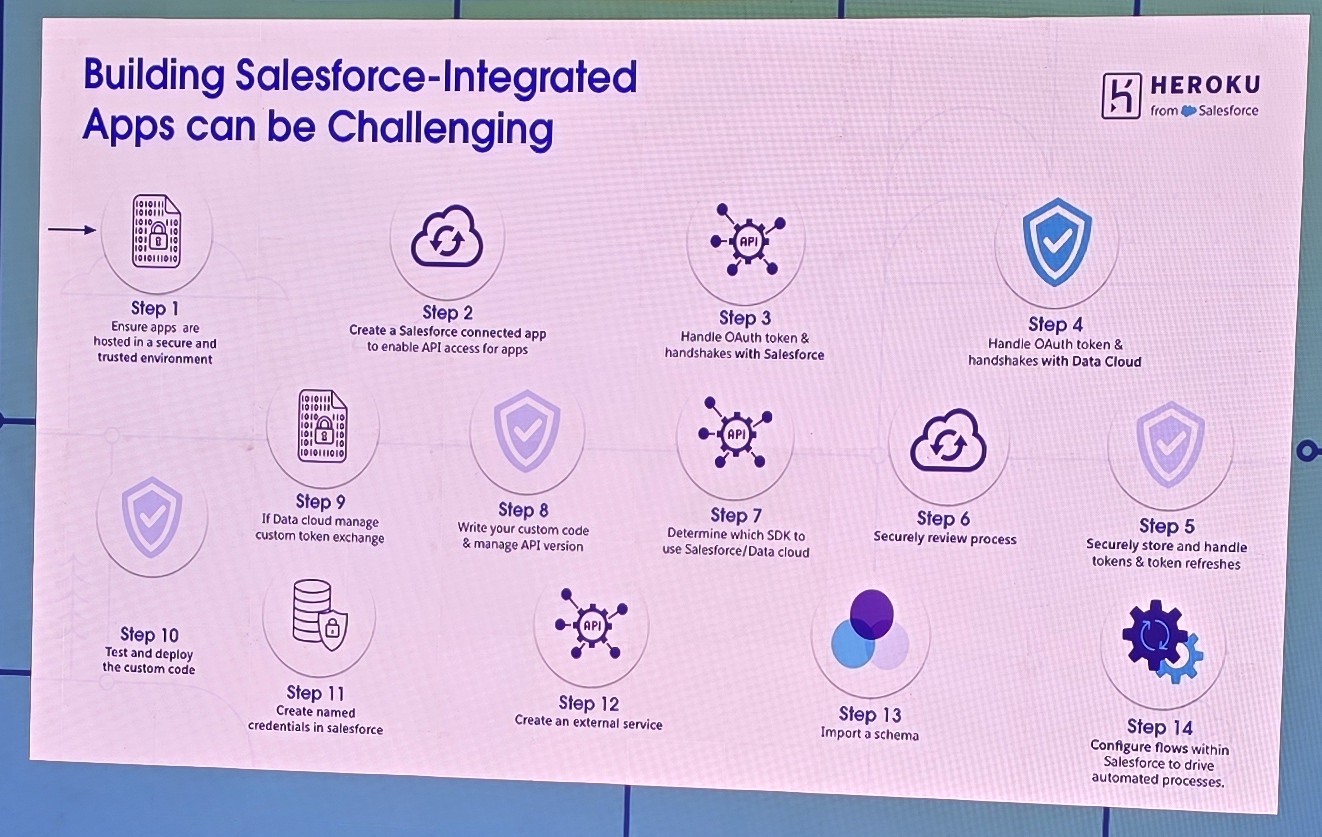
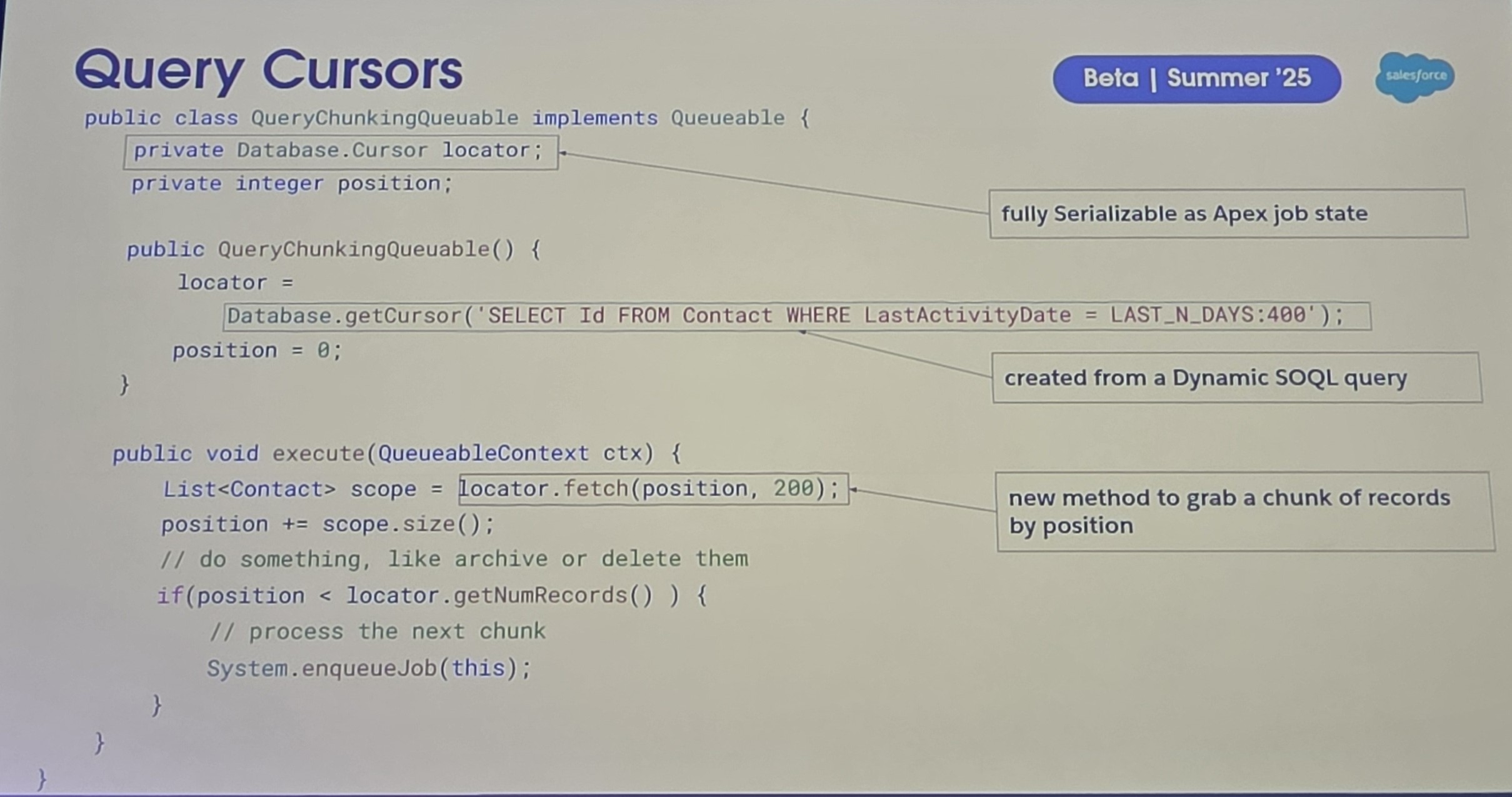
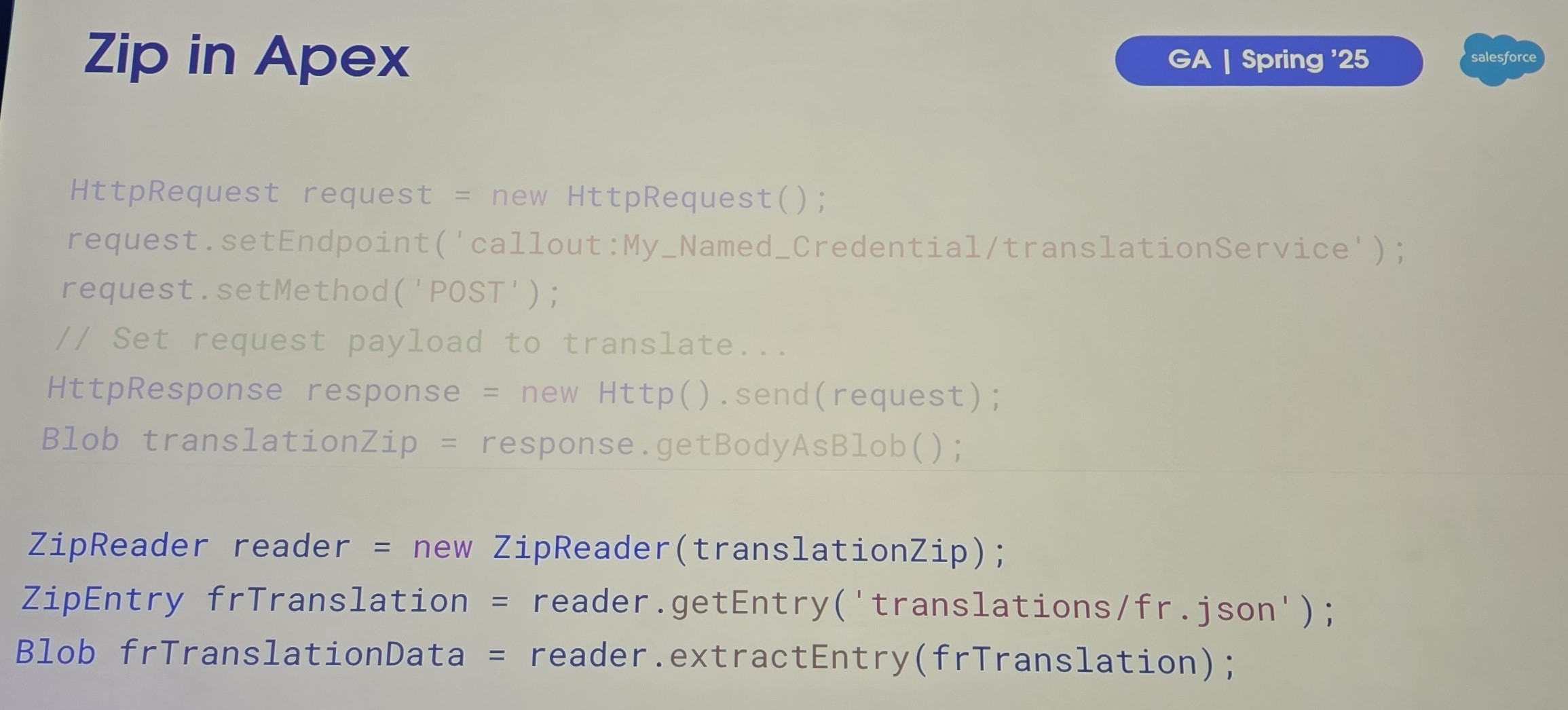
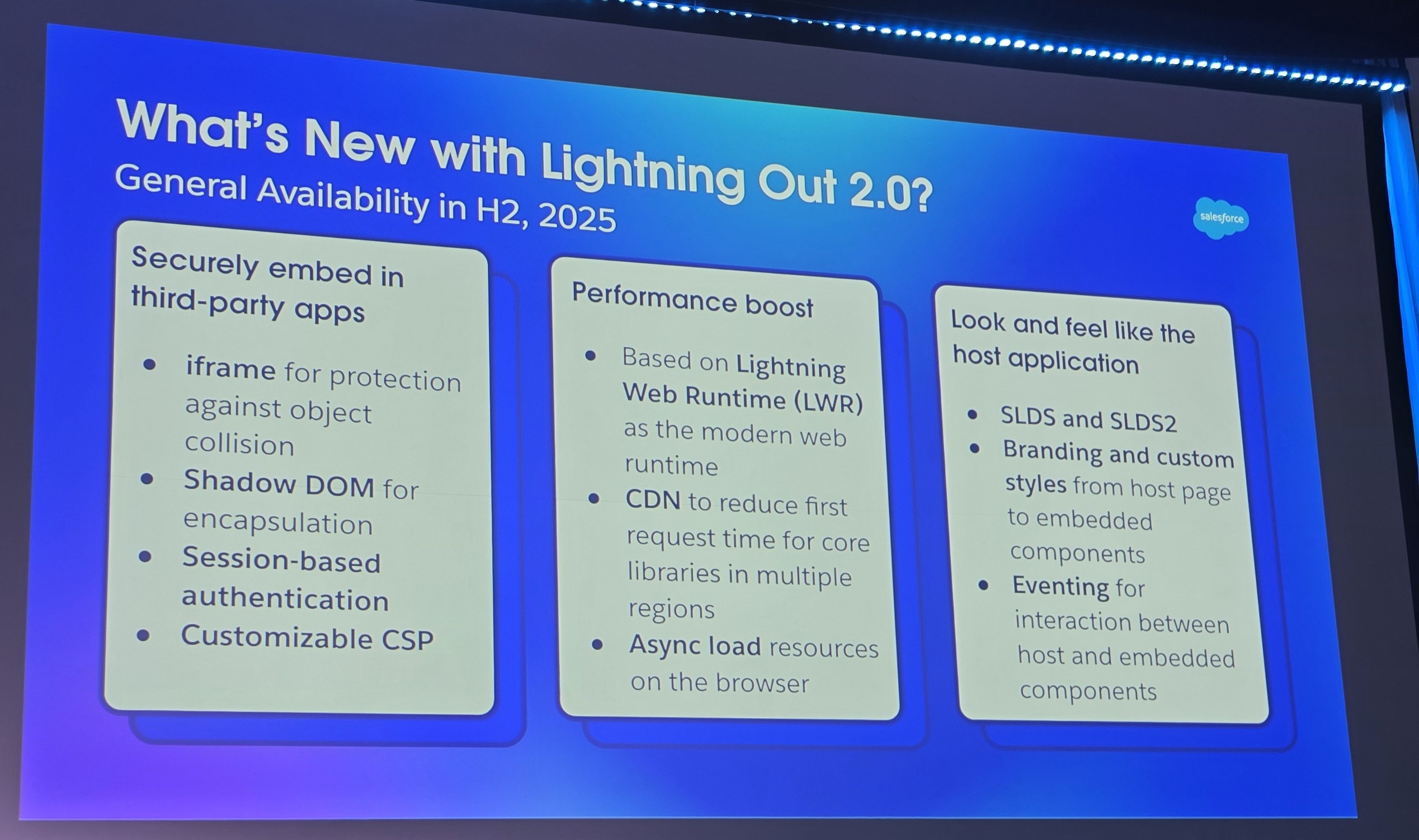
Sessions this year covered a wide range of critical Salesforce updates, with detailed roadmaps for upcoming changes. Despite encountering a couple of unexpected sponsor-driven sales pitches, I benefited from lots of high-quality, content-rich sessions that made the day thoroughly rewarding.
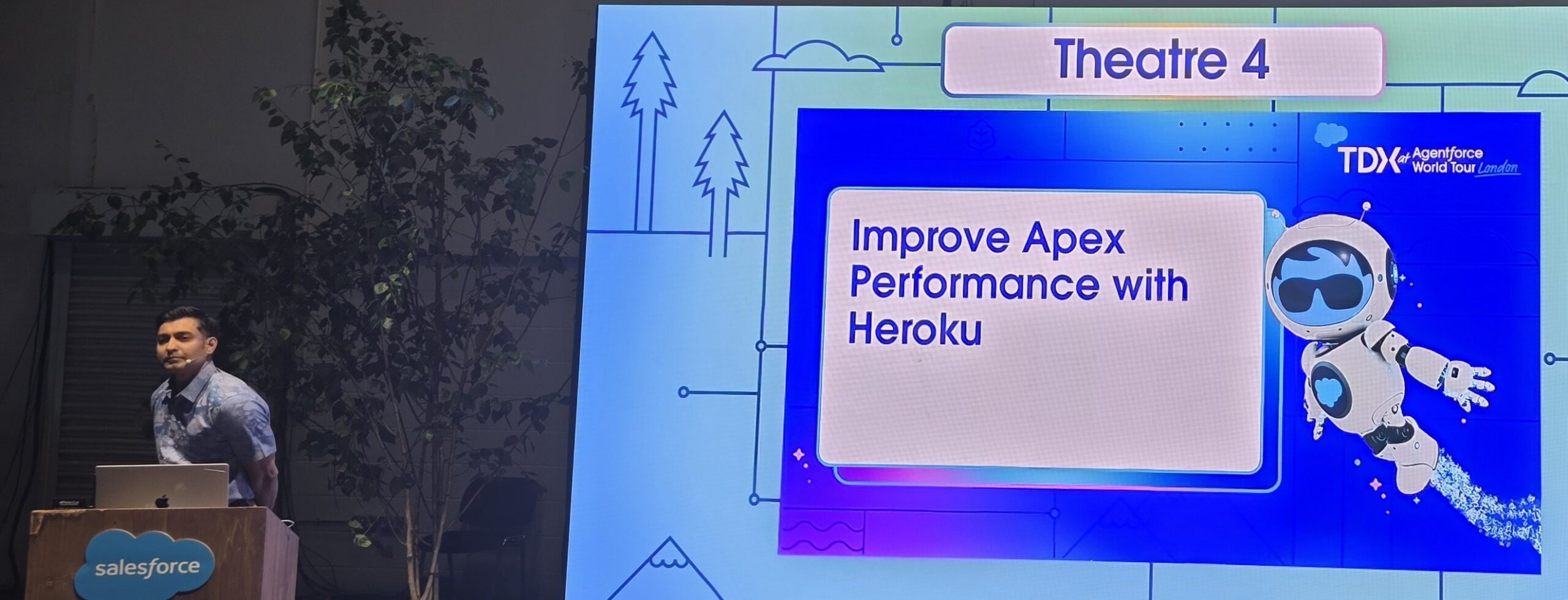
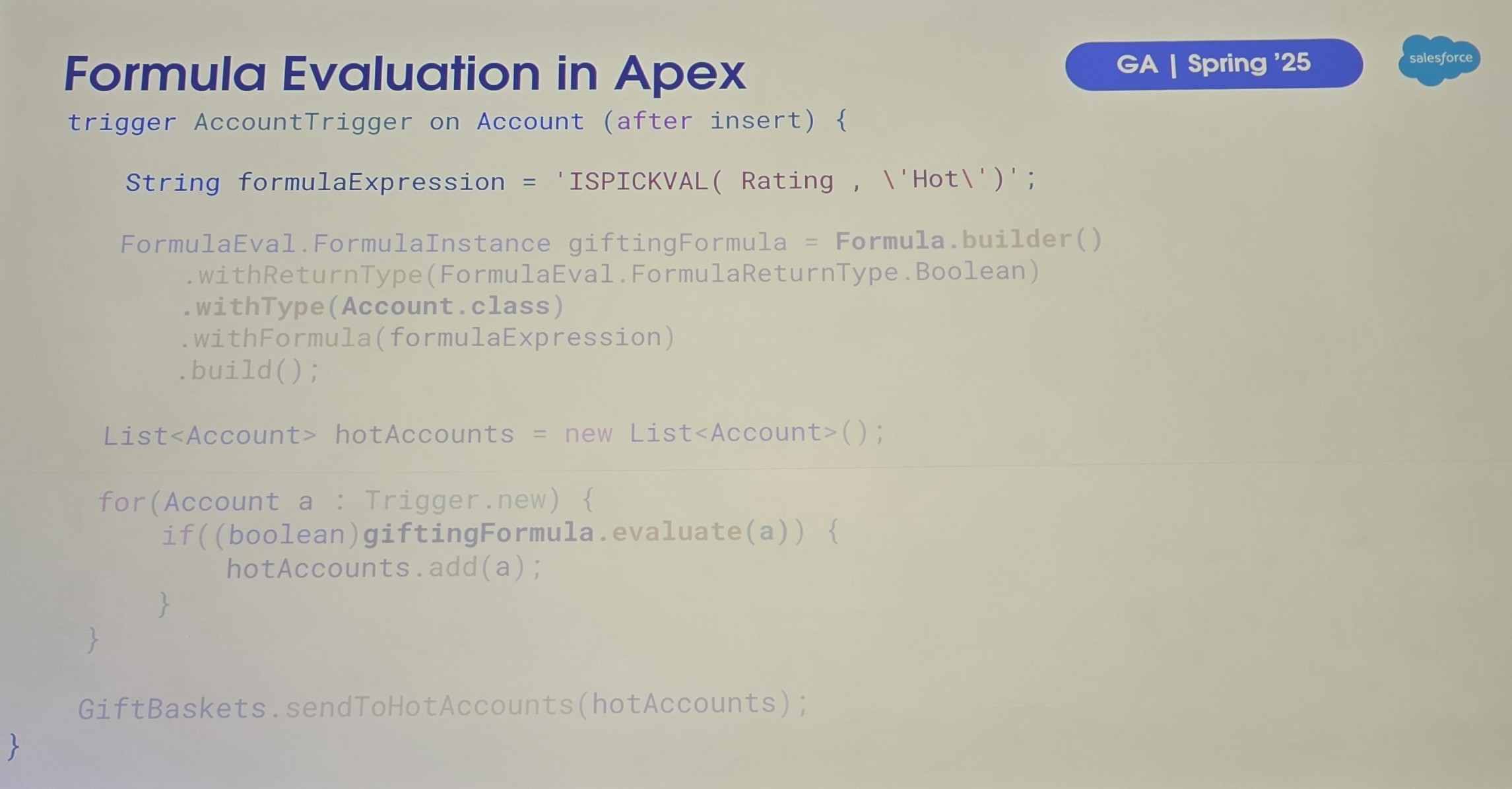
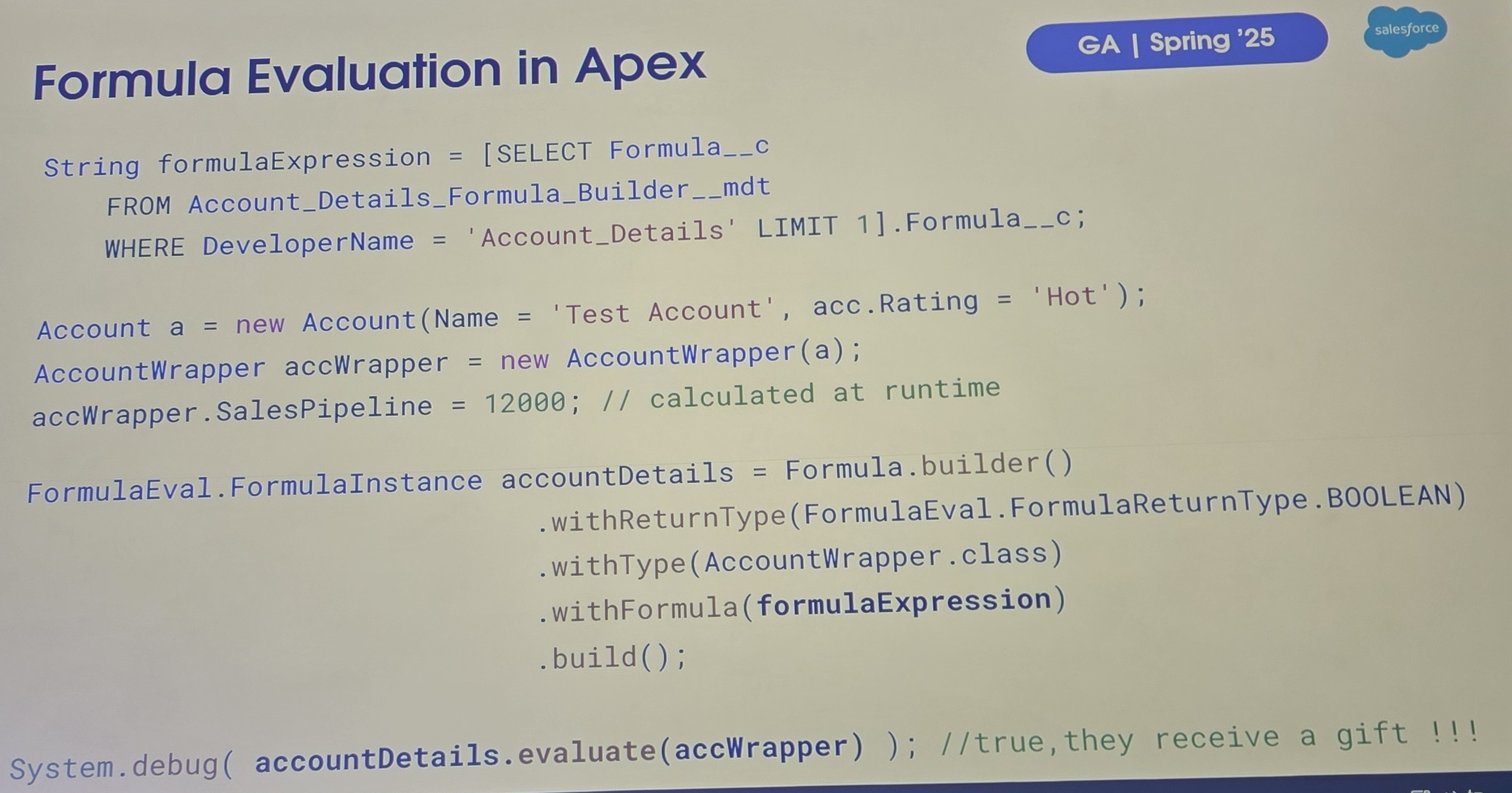
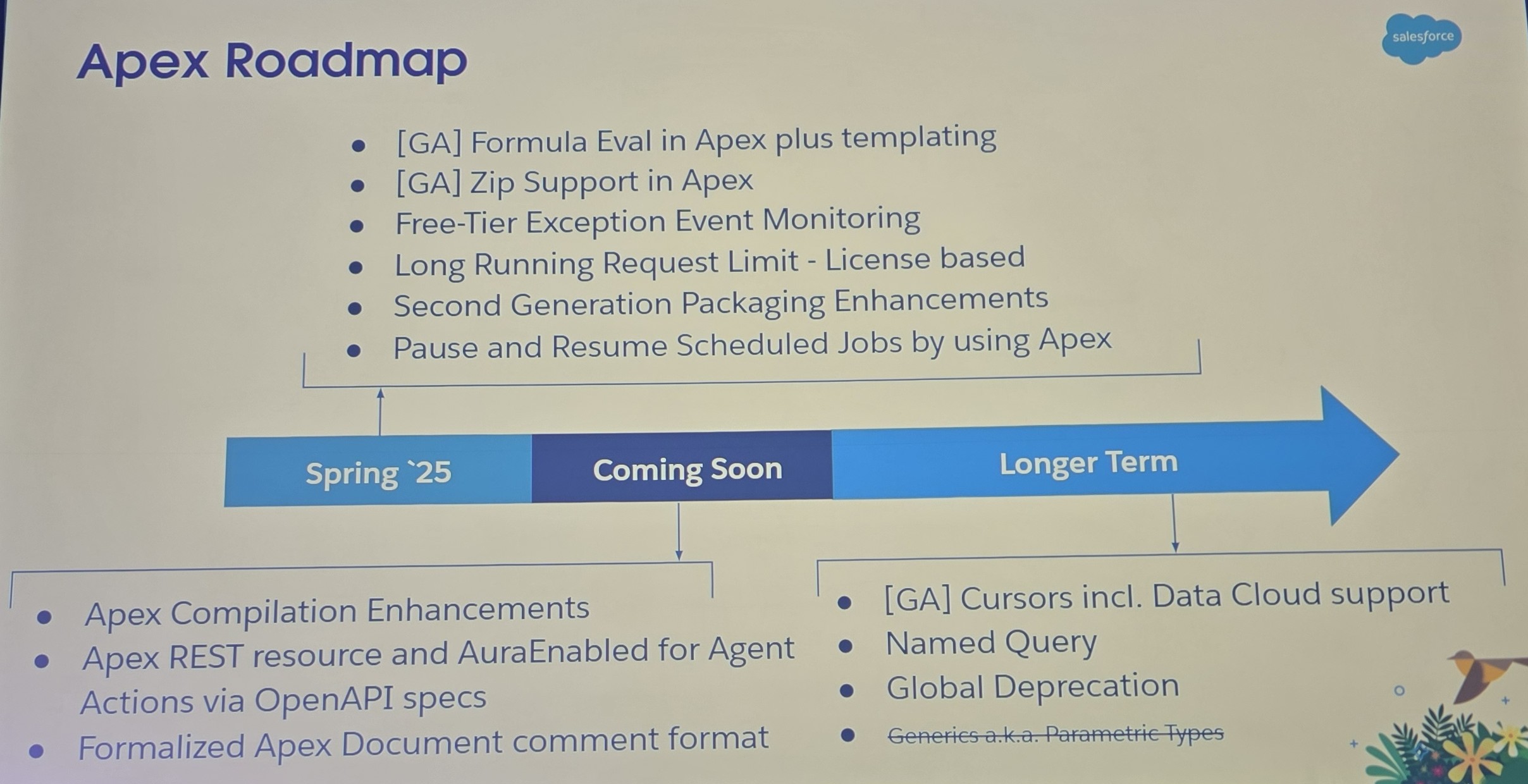
One highlight was the Apex roadmap presentation, humorously reintroducing the nostalgic “formula evaluate” feature, which I saw presented with nearly the exact same features some 25+ years ago for Lotus Notes, an entertaining reminder that innovation often comes full circle.

Moments like these injected a fun, relatable atmosphere into the technical deep-dives.
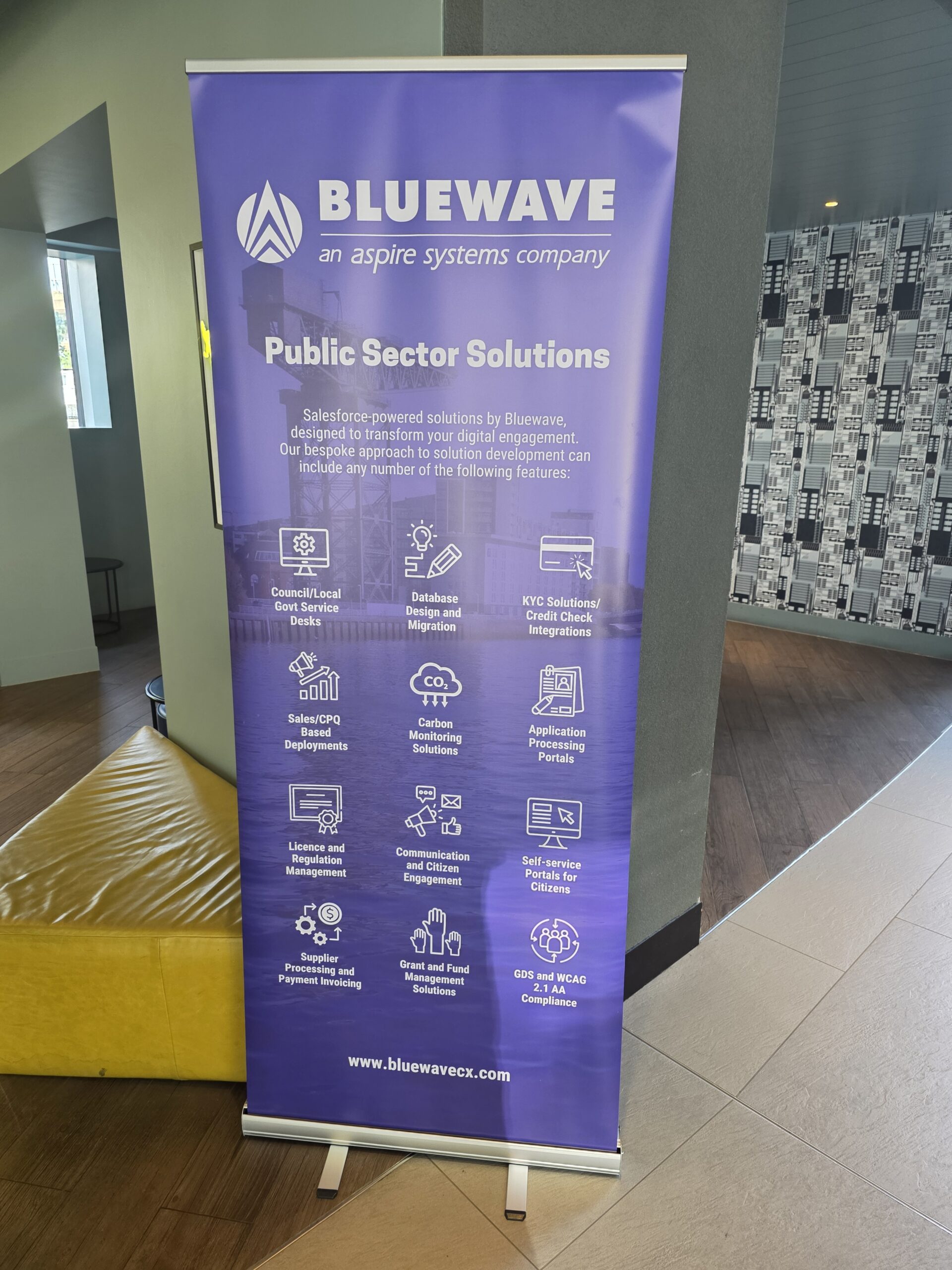
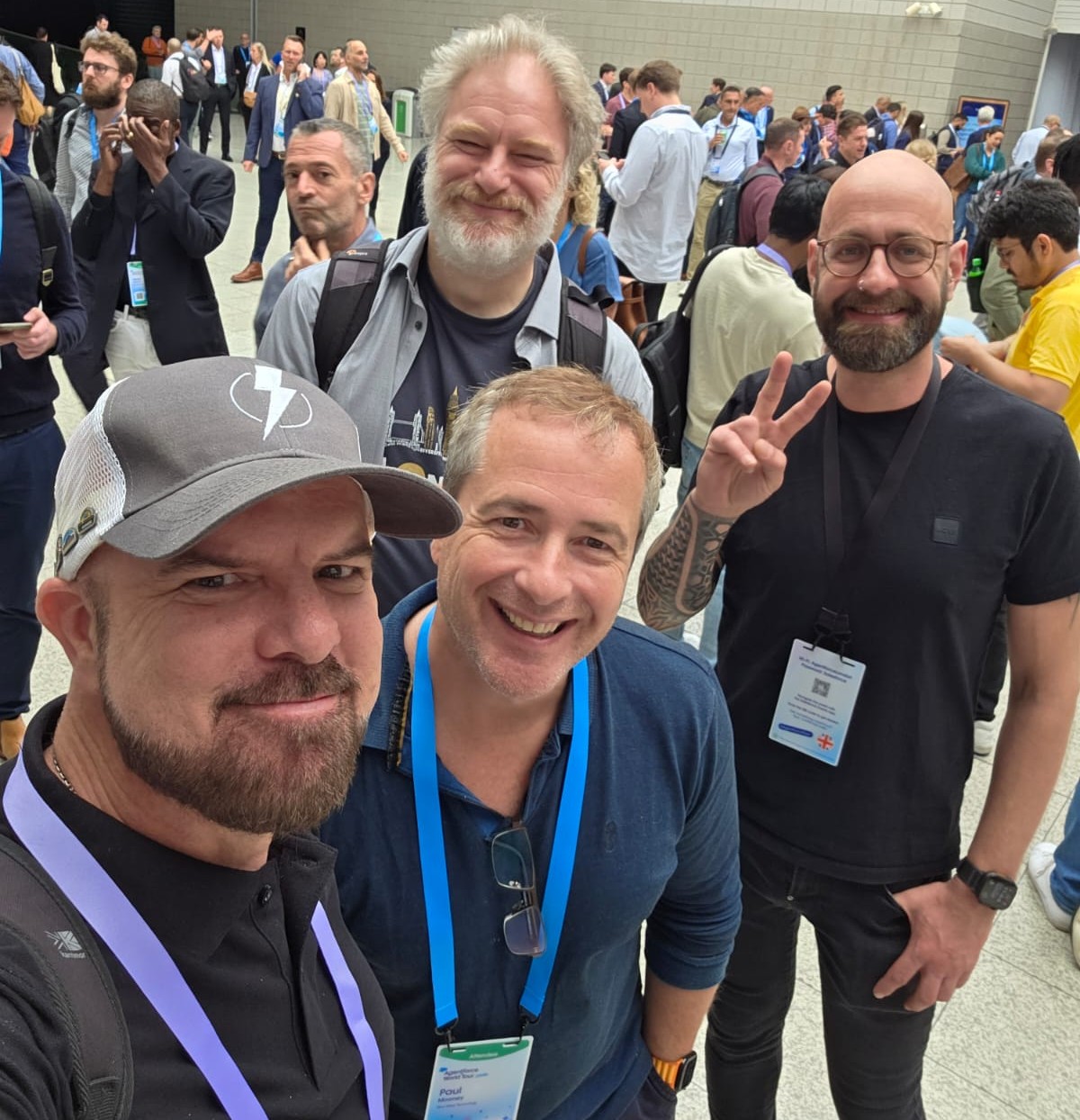
Beyond the sessions, reconnecting with the Salesforce community was another significant highlight. Interactions with familiar faces, including the energetic Blue Wave group, brought a sense of camaraderie reminiscent of tech communities from the golden IBM era.

The event also offered amusing insights into vendor dynamics, as corporate sponsors creatively engaged attendees with invitations to social gatherings, sparking entertaining moments of corporate courtship.

Overall, Salesforce IDX London 2025 was vibrant, informative, and well worth attending. It balanced serious technical content with enjoyable community interactions, making the event a “must attend” each year.

Londons Calling 2025

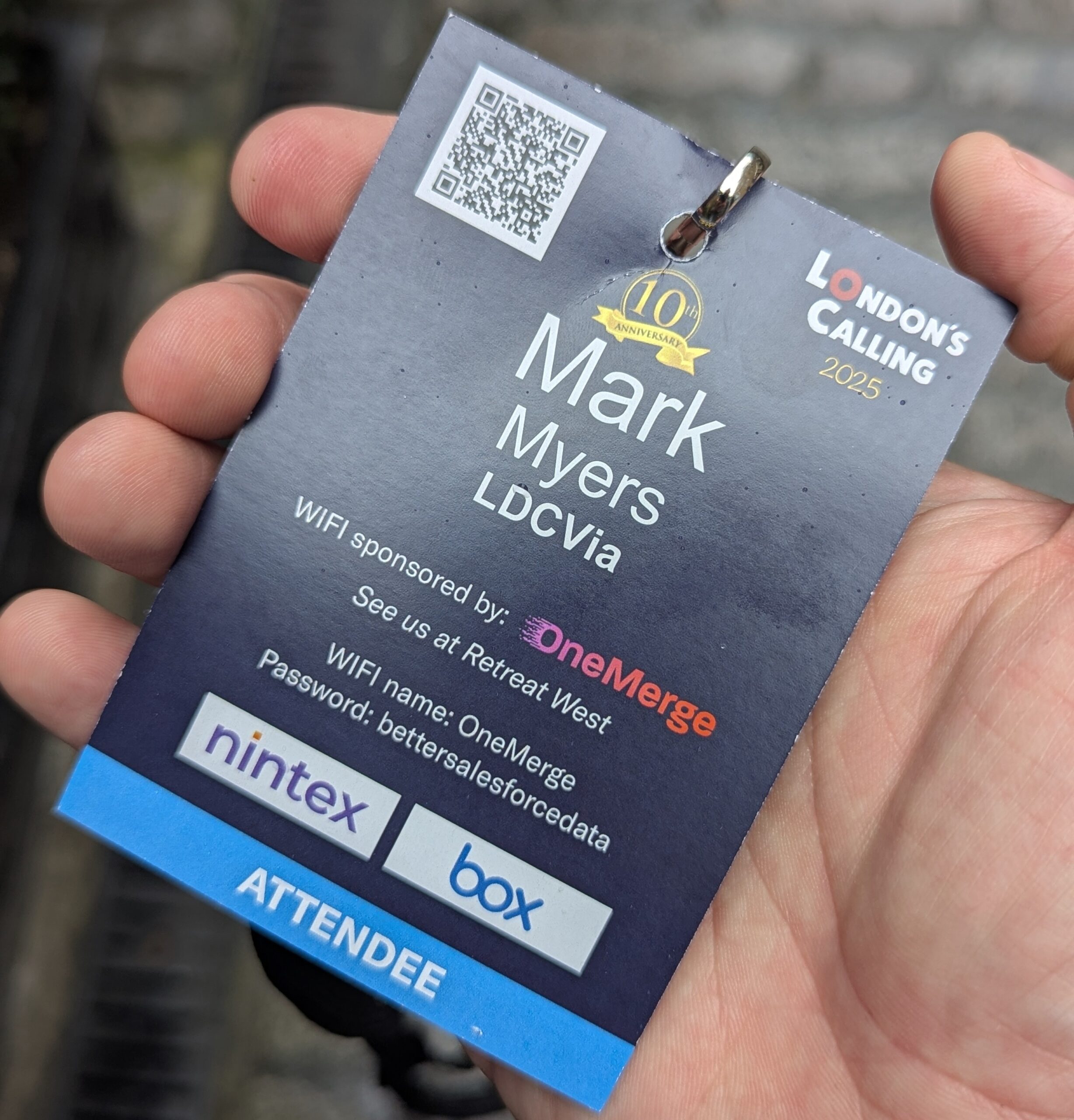
London’s Calling, the community-driven Salesforce conference, celebrated its 10th anniversary this year and remains a vital event in the English Salesforce calendar. Strategically positioned just before the main Salesforce event, London’s Calling offers attendees an authentic and open space for discussions that might otherwise be constrained at larger corporate-controlled conferences.

Held once again at its familiar venue near Liverpool Street, London, the event was well-organised and featured the consistently high standards the Salesforce rabble have come to expect, including excellent catering and comfortable facilities. The building itselfhas lots of little nooks and deadends with Wi-Fi coverage where you can find people taking client calls.

As always, the sessions were the true highlight. Speakers openly addressed topics that many public personalities or vendors would hesitate to discuss in official settings.

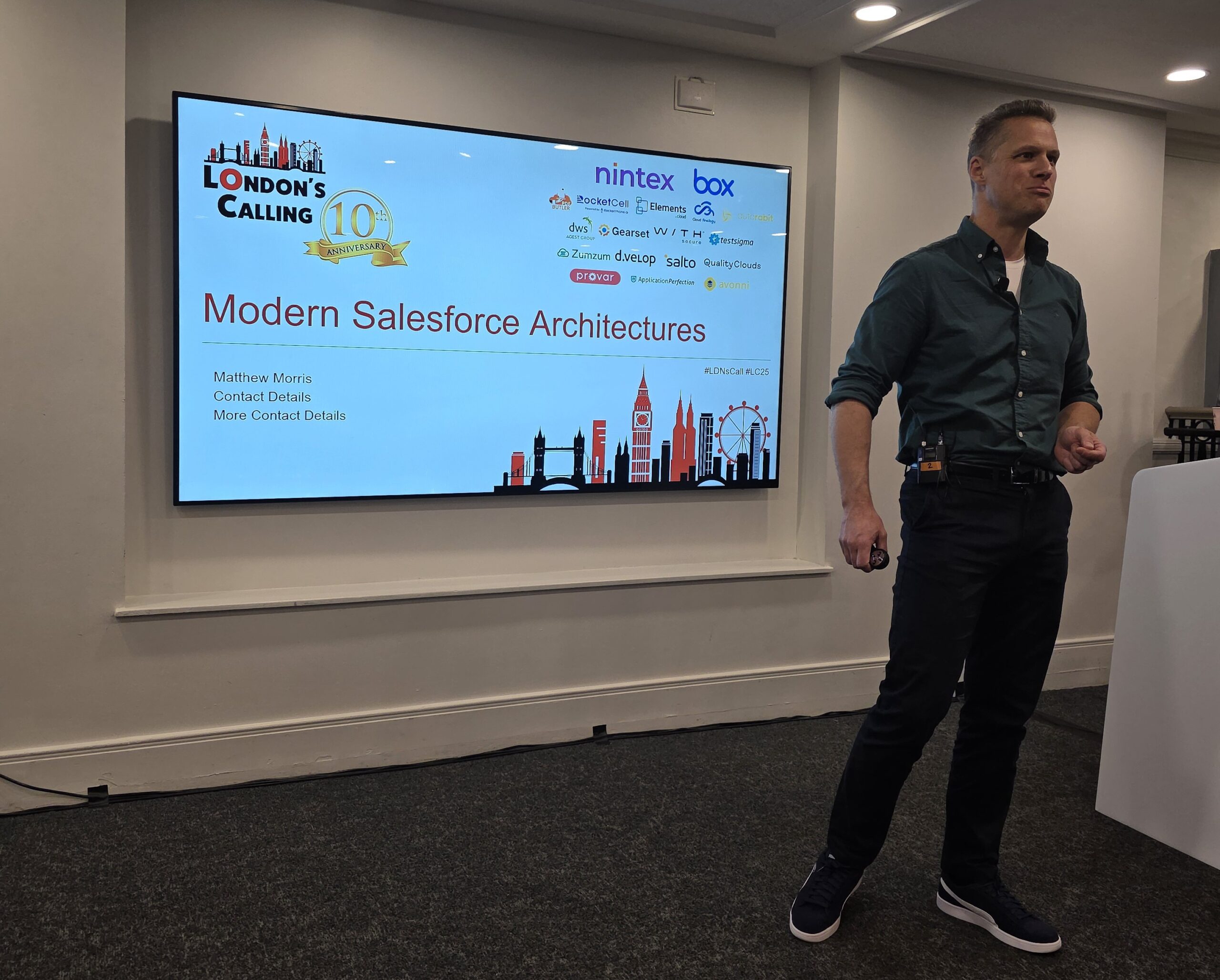
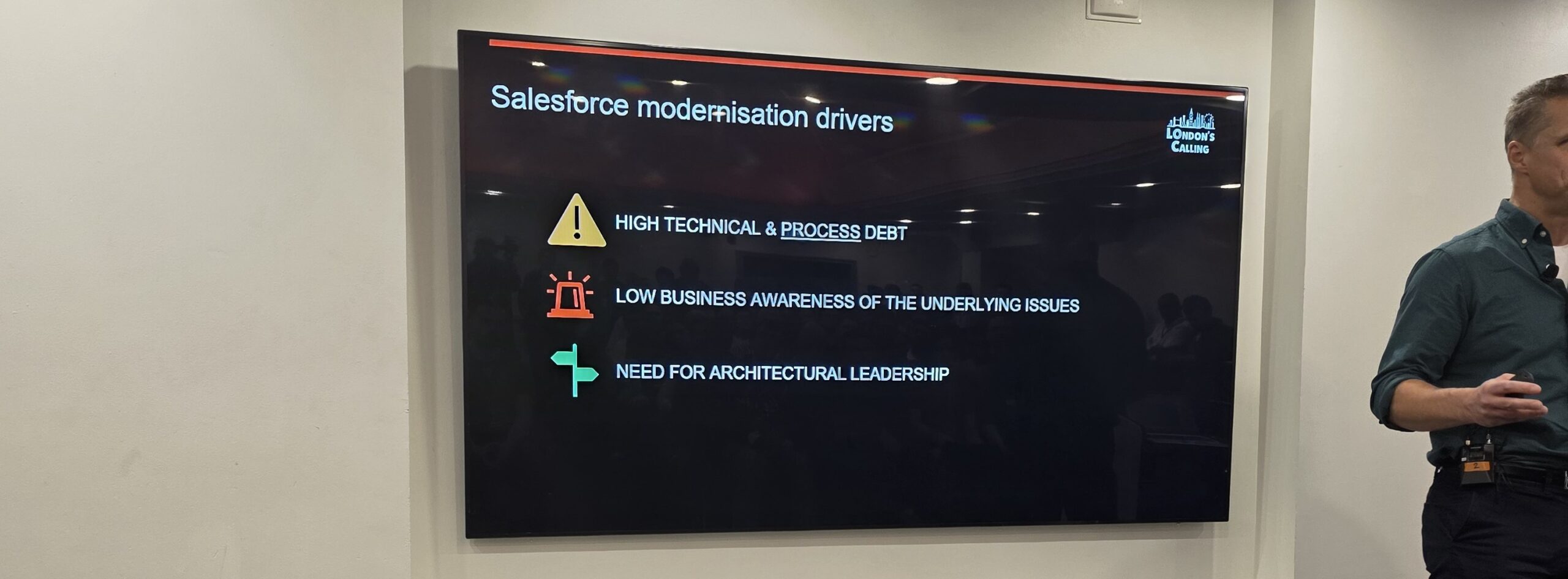
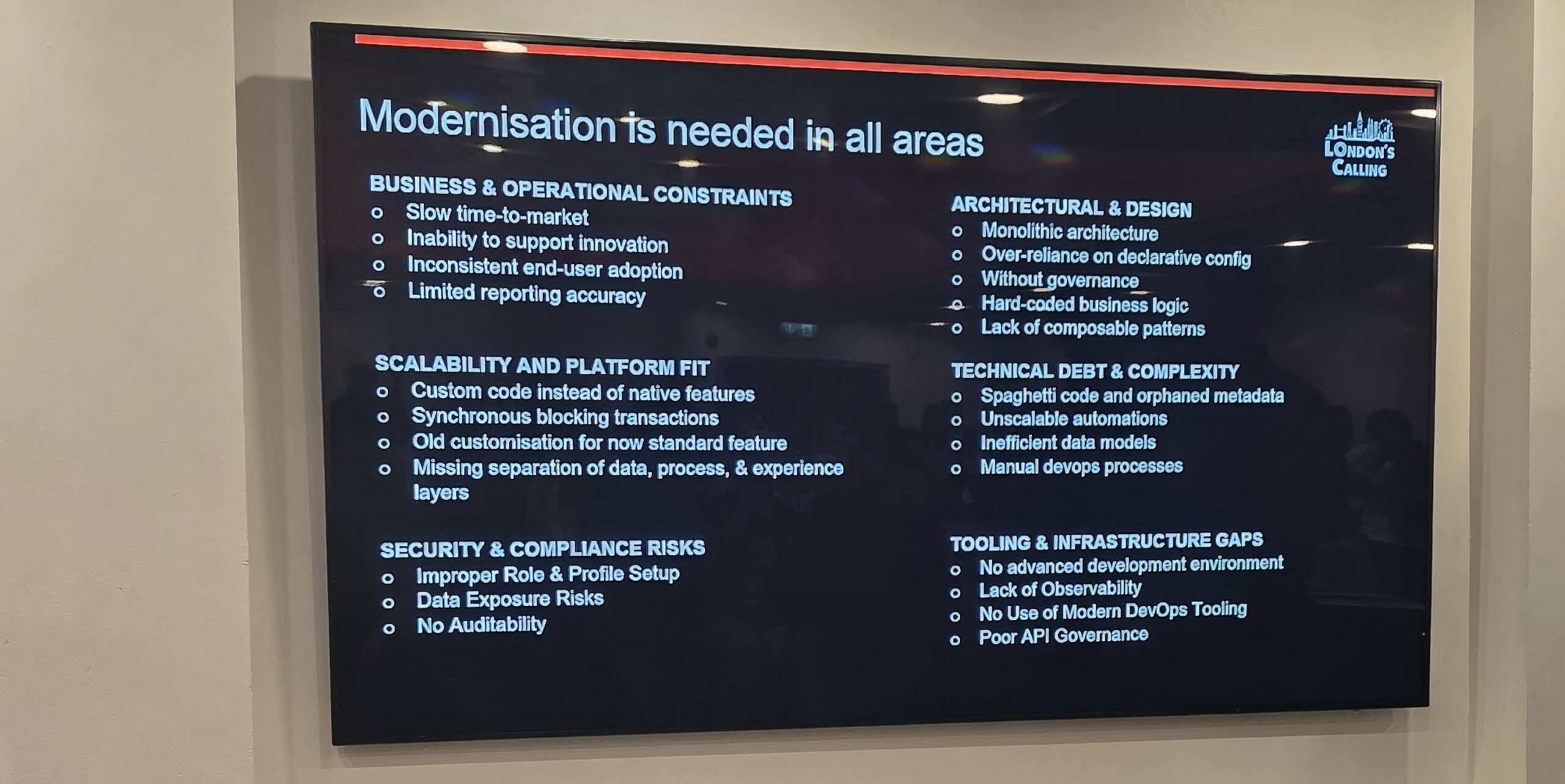
One standout session covered modern Salesforce architectures, providing valuable insights into the inherent challenges of rapid feature deployment without adequate long-term planning. It effectively showcased practical approaches for managing and correcting these issues.

Interestingly, a topic notably absent, but worthy of community attention, was the lack of standardised practices around documentation and architecture handover within Salesforce implementations.

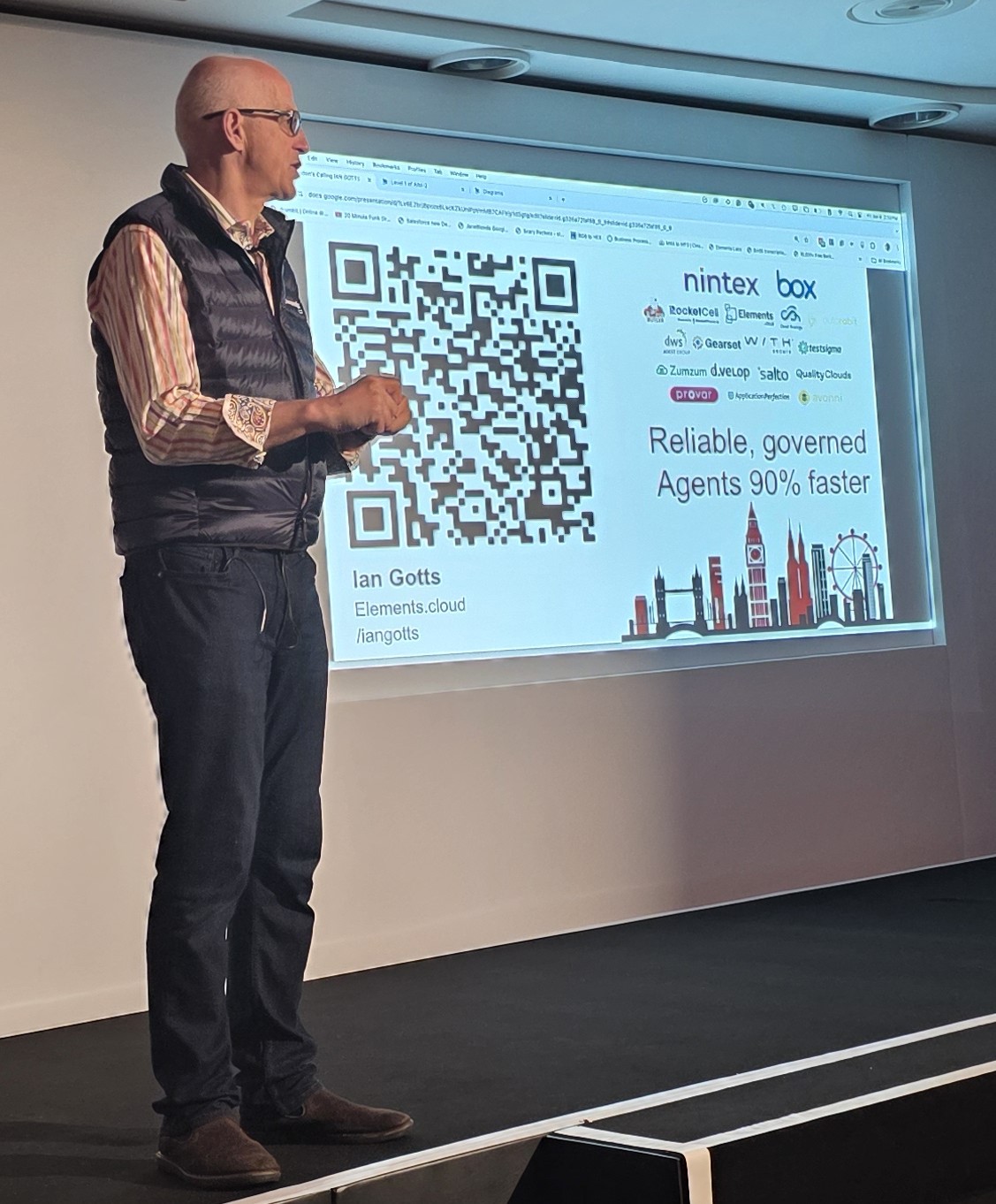
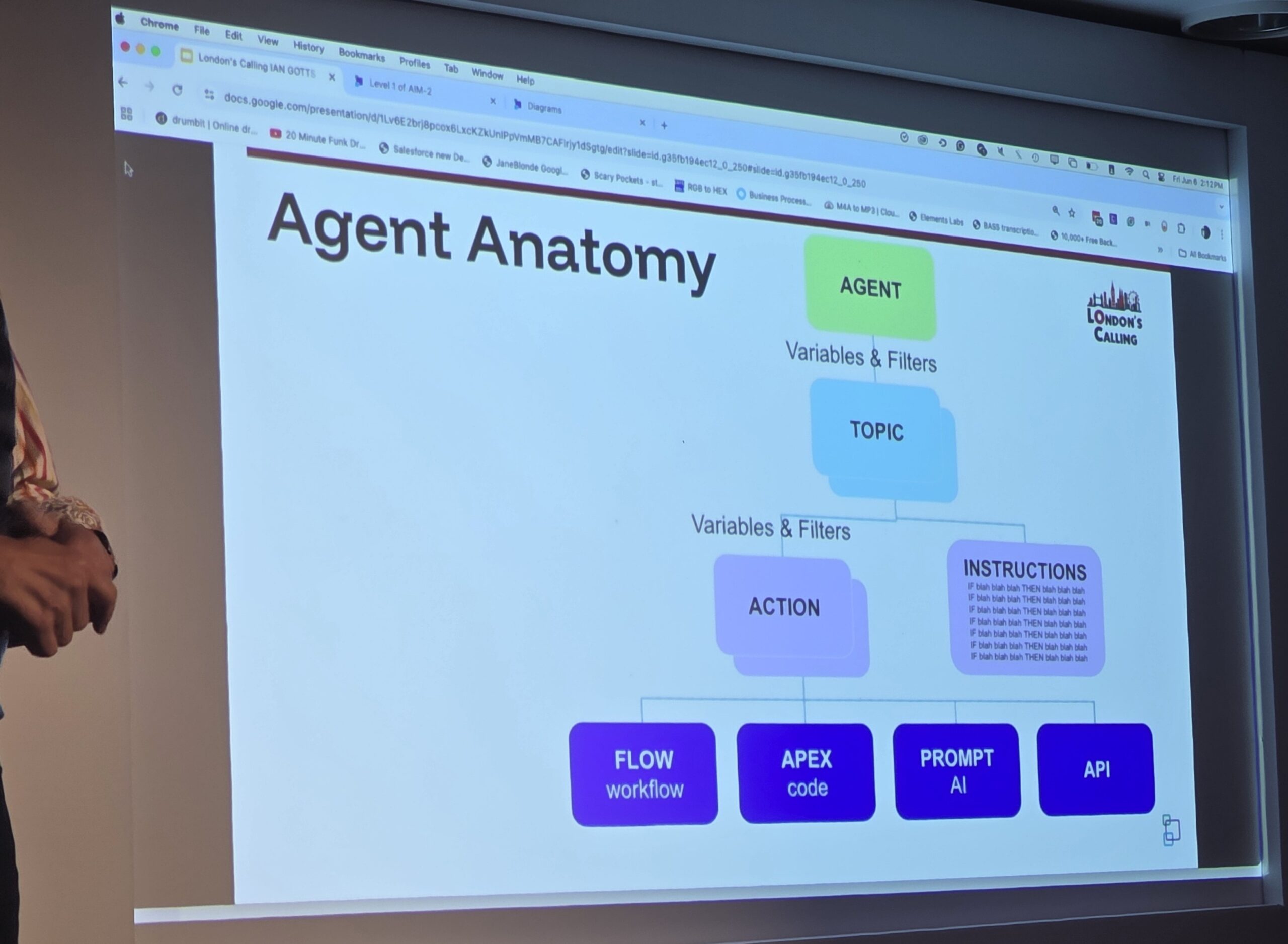
Another significant session tackled the complex issue of creating reliable, governed AI agents on Salesforce. This session bravely addressed common hesitations around deploying AI agents in live environments, including reliability, governance, coding best practices, and cost-effectiveness. It not only highlighted these challenges but also provided actionable guidance and practical strategies for overcoming them.

Of course, London’s Calling wouldn’t be complete without its much-loved traditions, such as the iconic event t-shirt (and the huge queue to get them), which attendees proudly wore at the subsequent Salesforce event. And although I once again missed the highly acclaimed after-party, its reputation remains strong as an integral part of the community experience and a good value piss up.

London’s Calling continues to offer a crucial, unfiltered platform for genuine insights and professional growth in the Salesforce community. It’s an event I look forward to attending each year.

Project delivery versus process improvement.

In many large, well-established organisations, especially those in the finance sector, change is a constant. New processes, regulations, and system updates regularly alter how resources are provisioned, whether those resources are cloud services, staff, or anything else needed to complete a project.

These improvements are typically driven by solid and mandatory goals: staying compliant with regulations, enhancing efficiency, or simply refining internal protocols to make everyone’s work easier.

However, ongoing process improvements can significantly impact project timelines. When a project is chosen to pilot a new process, often without much warning, the schedule can be disrupted. What was originally planned to take three weeks might end up taking eight weeks or longer. So lets lay out why this happens and how project managers can mitigate the resulting delays and frustrations.

The Constant State of Flux or “Whats going on!!!”

  • Continuous Improvement: Large corporations often have multiple, simultaneous initiatives aimed at making processes more efficient or adapting to new regulatory requirements.
  • Pilot Projects: At any given time, some project is likely to be used as a “guinea pig” for the latest improvement effort. This can be both an opportunity to shape processes early and a risk to project timelines.
  • Unpredictable Disruptions: Because these improvements are reactive to external or internal demands, they’re difficult to plan for. The result is often unexpected slowdowns when a project is picked for testing out a new system or procedure.

Why Timelines Are Affected

When a project becomes the pilot for a new process:

  • Lack of Readiness: The process may not be fully refined. Bugs, gaps in documentation, or missing support can lead to significant project delays.
  • Resource Constraints: Teams might be understaffed or lack the expertise to implement new processes at scale.
  • Shifting Priorities: Organisations often need to decide whether to proceed with an established, familiar approach or pivot to an untested improvement that would give them a significant advantage worth the risk. This indecision can stall progress.

Consequently, it’s rarely anyone’s intended fault that timelines slip, yet everyone feels the pressure. Stakeholders can become frustrated, and blame often circulates among different teams.

Strategies for Project Managers, or “How do I stop my project from being late?!?!”

  • Early Detection: Remain vigilant for signs that your project might be targeted as a pilot. Ask direct questions as soon as you suspect a process trial or change may occur.
  • Negotiation: If possible, request a delay in implementing the new process. For instance, you might ask to continue using the existing method during development and adopt the new process during the User Acceptance Testing (UAT) phase.
  • Set Expectations: Communicate the potential risks and benefits of being a pilot project to your team and stakeholders. Clarity reduces confusion and resentment.
  • Document Everything: Keep detailed records of decisions, timelines, and issues. This documentation can help clarify the causes of delays, as well as advocate for process adjustments if necessary.
  • Maintain Relationships: Recognise that process improvement teams aren’t causing delays out of malice. Collaborate to find workable compromises rather than blaming each other.

Conclusion

Continuous process improvement is an essential part of any large organisation’s long-term success. However, these initiatives can inadvertently disrupt project timelines. By staying alert, proactively communicating, and negotiating rollout schedules, project managers can maintain progress while still supporting the organisation.

The Art of Corporate Escalation: How to Get the Help You Need; Professionally and Empathetically


Escalation is a critical skill for anyone in a leadership position, be it a project manager, team lead, or senior executive. Yet, it’s often one of the worst practiced and most misunderstood aspects of effective management.

Too frequently, managment or all levels “escalate” by throwing a tantrum or demanding immediate attention, mirroring the classic “I want to see the manager!” approach. But there are far better ways to do this:

1. Clearly Explain Why Your Request Is Important

Simply stating “This matters to me or my project” isn’t enough. You need to demonstrate why it should matter to the person (or team) whose help you need. Ask yourself:

  • What are the consequences of not addressing this issue?
  • How does this impact the broader organisation or project goals?
  • Why should they care?

By presenting the bigger picture, impact on the company’s bottom line, alignment with strategic objectives, and potential risks, you give others a compelling reason to prioritise your request.

Pro tip: Frame your explanation in terms of the other person’s life and work. If you’re escalating to a support team that’s currently battling a production incident, show empathy by acknowledging their workload and critical issues before explaining why your request matters.

2. Recognize That You Are Not the Only Priority

One of the biggest mistakes in escalation is forgetting that everyone else has tasks just as important as yours. To escalate effectively:

Understand their workload: If the team is already dealing with a production crisis, your request may not be somthing they are even thinking about.

Align on urgency: If your needs truly outrank current tasks, help demonstrate (or secure leadership input on) why that’s the case.

Stay empathetic: Show that you appreciate the pressure they’re under. Anger or insistence won’t change the fact that resources are limited.

Try to see the situation from their point of view. If your project isn’t in immediate crisis, it may be better to negotiate timelines rather than demand compliance.

3. Make It Easy for Others to Help

Escalation often fails because the person making the request provides minimal context or support. A one-line email saying, “Please fix X” doesn’t communicate the importance or background needed to act quickly. To make it easier:

Provide full context: Why does this matter? Who is impacted? What is at stake if this isn’t resolved?

Include all relevant information: Attach logs, data, screenshots, project plans, or anything else they may need.

Anticipate questions: If you know certain details are commonly asked for, include them upfront.

The more work you do to present a complete picture, the less back-and-forth is required and the faster the other teams can address your request.

4. Offer Assistance or acknowledge a debt

In most organisations, everyone is juggling multiple priorities. When you ask someone to insert your request into an already packed schedule, something else will need to be deprioritised. That can create friction. Instead, look for ways to help:

Negotiate with the impacted party: Talk to the person whose task might get pushed aside, and explain why your need is a higher priority; saving the support team this headache will go a long way.

Offer support with administrative tasks: If you can take on some of their paperwork or provide resources, they may find it easier to accommodate you.

Facilitate better communication: Bridge gaps, reduce email ping-pong, and keep everyone in the loop.

By making their life easier, even in small ways, you create goodwill and practical room for your request on their to-do list.

The Pitfalls of “Blunt Force” Escalation

What happens when escalation is done poorly? You may see what some refer to as toddler tantrums, where the manager or requester demands immediate results without any explanation or empathy. This approach might sound like:

“I need this now. Why haven’t you fixed it already?”

Often, the team on the receiving end has no idea why it’s urgent, which leads to confusion, frustration, and resentment. Remember: simply insisting that a task is a priority does not make it so in someone else’s eyes. Without context, urgency, and empathy, your escalation will likely fail, or damage relationships in the process.

My one thought piece on AI


This is going to be my one post on the place of AI and my opinions on how we are handling it in business and life.

AI. It’s been the big talking point for the last year or so and is still a front page topic. is it going to take all our jobs, spark a revolution, or create new opportunities? At first glance, AI does look like another seismic shift akin to the sewing machine, mechanised loom, or Ford’s production line. But there’s something fundamentally different about this wave.

Unlike past revolutions, AI doesn’t seem primed to create jobs at scale. It won’t spawn entirely new industries in the same way we’ve seen before. Instead, we’re likely looking at significant genuine job losses, particularly among lower-level white-collar roles.

In the Short-term, we’ll see disruptions as many companies will eagerly adopt AI to reduce costs and boost productivity quickly. But that’s where things get tricky as in doing that a certain way, you strip the long term growth out of your own company.

Lets take my own career as a technical PM. My effectiveness in this role comes directly from the breadth of my experience, having worked my way up through the lower level roles that AI now threatens. When I meet fellow managers lacking that foundational experience, their narrow perspectives are glaringly obvious. They struggle because they lack the hands-on knowledge gained from climbing the career ladder step by step.

If we let AI sweep away lower-end roles entirely, the future leaders and decision-makers won’t just lack depth; they’ll be missing the creative problem-solving skills developed by working through small, varied challenges. AI excels at averaging human outputs, but brilliance and breakthroughs often come from the “odd ones out,” those uniquely creative individuals whose careers and ideas evolve slowly over time.

Companies adopting wholesale AI driven job cuts might thrive briefly, lowering costs and increasing productivity, but will inevitably pay a steep price down the road. In five to ten years, we’ll experience a severe creativity and skill gap, causing real damage.

So what should sane businesses do instead? Integrate AI subtly and strategically. Take insurance claims, for example. AI excels at quickly identifying suspicious claims, far better than most humans on first initial checks, which means claim handlers don’t waste so much time sifting through genuine claims and can concentrate on the ones with a higher probability of being fraudulent. Leveraging AI in such a supportive way, rather than broadly replacing roles, allows businesses to boost efficiency without sacrificing human development.

This issue is particularly stark in creative industries. Jobs like artists, video editors, and audio engineers may seem like a good idea to replace with AI as it can theoretically turn an inexact set of processes into ones that can be managed precisely. But losing these foundational roles to AI doesn’t merely eliminate positions; it stifles future creativity. Rebuilding lost creative foundations is far more challenging than retraining white-collar workers. So, personally, while I use AI to eliminate tedious tasks,

I consciously avoid AI-generated creative content. Supporting human creativity, rather than replacing it, is critical.

How, then, do we roll with integrating with AI as individuals? I think back to my first corporate role during university placement, at the dawn of outsourcing to the Indian subcontinent. Everyone worried about job security. but a network technician named Richard Nixon told me simply: “Make sure you’re worth your money.” and that is how we should look at ourselves.

AI isn’t free, it’s a business tool, and companies providing AI will profit significantly. But AI has inherent limitations. The key is identifying human-specific strengths, intuition, flexibility, emotional intelligence, nuanced communication, and emphasising those. Managers seeking immediate cost savings might underestimate these qualities initially, but they’ll soon miss the critical human elements that AI can’t replicate 1.

AI, despite its capabilities, struggles to navigate human subtleties: body language, tone, persuasion, and ethical gray areas. These interactions are precisely where humans excel and prove their irreplaceable value.

Ultimately, AI is a remarkable tool, indeed it could be one of the greatest tools humanity ever creates, and if used thoughtfully, it will enhance human capabilities massively. But if handled recklessly, focusing solely on short-term gains, the long-term costs could be a right cluster f**k.

  1. Well not currently[]