2024: A Year in Review

This year has been without a doubt one of the most satisfying ones of my life, personally and professionally, A solid year all around. Let’s, as normal break it down, then talk about 2025

Work and Professional Growth

On the work side, I’ve achieved a large percentage of what I wanted. Im very happy to be away from under the faceless control of the human resources machine and back to being a genuine consultant in a small dynamic company fixing larger corporate issues.

My clients seem to be really happy with what I’m doing for them, and I’ve enjoyed the most positive new working relationship I’ve had in a decade. It feels like I’ve transitioned from being a “contractor” to being recognised as part of a genuine vendor, which is a significant step forward.

The daily work itself has been both challenging and incredibly fulfilling. That makes all the difference. It’s not always easy, but it’s always worth it.

On the management side, I’ve learnt a lot. For years I’ve thought of myself as “a tech person who does some management.” But now, I’m fully embracing a dual identity: a manager who deeply understands technology and the business. It’s a shift that has required growth and adaptation, but I’m leaning into it (see, I’m even using management phrases).

This year, I’ve also had the unique opportunity to observe and learn from a wide spectrum of project managers across a multinational organisation from the inside and finally see what drives them to do the things that seem so insane from the outside. The contrasts have been eye-opening. Seeing the range of styles and approaches has taught me lessons every single day.

Personal Life

On the personal front, this year has been full of joy. One of the biggest highlights? Reuniting with my son in a proper way. Watching him thrive and get engaged to an absolutely wonderful person has been a source of immense pride and happiness.

For the first time in over a decade, we’re celebrating Christmas together, three generations under one roof. That’s a moment I’ve dreamed of for years.

Health wise, things are stable. My lungs, which have been a longstanding issue, are under control thanks to excellent care and support, and though there has been little growth, I dont feel much older.

What are the goals for 2025

I want to focus on growing my management skills. GOOD management has far more to it than most people actually do. People assume that once they’ve earned a managerial title, they’ve mastered the art. That’s far from true.

Just like in any profession, growth in management is a continuous journey. This year, my goal is to improve by doing, learning from hands on experiences rather than formalised programs.

I’m fortunate to have a couple of significant projects lined up, and I’m determined to deliver them as things of grace and beauty. Alongside this, I need to keep up with my knowledge in business and the tech side.

Admittedly, 2024 was quieter on the business knowledge side with how busy its been, so this year I plan to dive back into my Chartered Insurance Institute exams and get at least a few of them taken.

On the technology side, my main clients are heavily Azure focused, so staying current in that area is non negotiable. Thankfully, I’ve been lucky to work with colleagues who, because I approach them with respect, are patient and willing to share their more up to date knowledge. This collaboration has been an incredible learning experience.

On the personal side, one goal I’ve repeatedly set (and neglected) is returning to fencing. This time, I’m determined. Haverstock fencing club has added Saturday sessions, making it much easier to commit to regular practice.

Another priority is addressing a new back problem, which stems from years of sitting at a computer. Thankfully, my fantastic personal trainer is guiding me through this, helping me strengthen my body and alleviate the issue.

This year also marks my 50th birthday, and I’m determined to get my weight down to 100 kilograms. It’s not just about the number; it’s about not looking like an old fart at the parties this year.

Lastly, I want to actually get a grip on the model painting. I’ve spent too much time procrastinating and pottering around rather than doing. This year, I’ll focus on actually painting a few armies, running a few campaigns, and playing some actual games.

Contracting vs. Permanent Employment


I’ve spent most of my career working as a contractor. Early on, I moved into contracting after my second job because it offered the skill growth opportunities I wanted.
Since then, I’ve accumulated around 25 years of experience as a contractor, consultant, and vendor. During that time, I only spent two years in a permanent position, and even that was something I did reluctantly.

From my perspective, whether to go permanent or remain a contractor depends entirely on what you want out of your job and your life. Below, I’ll walk through the pros and cons I’ve encountered, in the hope that it helps you make the right decision for yourself.

Why Contracting Can Be Rewarding

Varied Experience
As a contractor or consultant, you often get to work with different companies, cultures, and technologies. This variety accelerates your growth and widens your skill set far more quickly than many permanent roles.

Higher Immediate Earning Potential
Contractors are typically paid more on a day-to-day basis because they forgo benefits such as holiday pay, pension contributions, and company perks. If you’re comfortable managing your own benefits like pension plans and health coverage, contracting can be financially rewarding.

Autonomy
Contractors can usually say “no” more easily. Well, that is not exactly right; everybody can say no, but the ramifications are not normally as extreme for a contractor. You’re not as tied to a single job, and if a project or client doesn’t fit your style, you have the option to move on even at the risk of your reputation.
You also escape the often rigid performance reviews that can happen in permanent roles.

Direct Recognition
In many permanent positions, outstanding work can be overshadowed by bureaucratic performance review processes, like forced ranking and “bell curves.”, this is particularly true for people that do consistently good work year on year.
As a contractor, your performance is judged more on individual tangible results: if you do well, you keep the contract (or earn more); if not, you’re replaced.

Why Permanent Roles Still Appeal

Stability and Security
While contractors may earn more up front, permanent employees usually have stronger legal and social protections, along with a built-in support system for pensions, benefits, and paid holidays.

Goodwill and Longevity
As a permanent employee, you build a reservoir of goodwill within an organization. If you eventually slow down or need flexibility, it’s often easier to negotiate within a

long-term employment relationship.
As a contractor, if you’re not “up to date” or performing at the required level, you can be let go much more quickly, and a client is right to do this after all. “Angels have no memories.”

Reduced Administrative Burden
Pension plans, paid time off, training, and other HR-managed benefits are typically handled for you. If managing the “business side” of your career, taxes, insurance, finding new gigs, doesn’t appeal to you, a permanent role can be much more comfortable.

Camaraderie and Team Culture
Some people thrive in a stable team environment and enjoy growing with colleagues over time. While you can build meaningful friendships as a contractor, permanents often participate more fully in corporate culture and team-building activities.

Making the Right Choice for You

Ultimately, there’s no universal “better” path, only the path that aligns with your goals, preferences, and circumstances. If someone tells you one is unequivocally better, it could mean it’s better for them (or for their organization) rather than for you.

If you value autonomy, variety, and immediate recognition for your work, and if you’re comfortable handling your own finances and benefits, contracting might be a perfect fit.

If you prefer stability, comprehensive benefits, and a long-term growth path (hopefully) within a single organization , a permanent role might suit you better.

Before you decide, take the time to:

Reflect on your career goals: Do you want variety and frequent changes of scenery, or do you want to focus on growth within a single organization?

Evaluate Your Financial Habits: Can you responsibly manage your own benefits, or do you prefer a structure where that’s taken care of for you?

Consider Your Lifestyle Needs: How important is predictability versus flexibility?

Talk to Those Close to You: Personal circumstances and family considerations can heavily influence which path is more sensible.

No one else can make this decision for you. By weighing the trade-offs honestly and thinking about what matters most to you, you’ll be more likely to choose a path that leads to satisfaction and success, whether that means going permanent or being a contractor.

How to Make a Proper Request: Bridging Project Delivery and Support Needs


One of the biggest sources of frustration in the corporate world is how compliance and support teams require things in a different way from how project focused people request them, and the miscommunication that happens because of it.

On the project side, the motivation is clear: remove a blocker so you can deliver on time with no other considerations.
That often leads to brusque requests; we need this done because the project must be finished. However, when someone in compliance or legal looks at that same request a year later, it rarely has enough justification or context to pass scrutiny.

Below are a few insights on why this happens and how to fix it.

The Project Mindset

Project teams typically view requests as stepping stones. If a new firewall rule is needed or cloud resources must be provisioned, it’s only important until the project is unblocked. Once that hurdle is cleared, the request is quickly forgotten.

Unfortunately, this creates a paper trail that lacks the detail future auditors need.

The Audit Perspective

Compliance and legal teams look back at requests to ensure actions were justified and properly approved. They often have zero context about why the change was made.

If your request doesn’t include a self-contained explanation, one that stands on its own without references to external documents or links, it’s difficult (or impossible) to validate later.

Best Practices for Writing Requests

Include Full Context
Provide all the why, what, and who within the request. Explain the business case or operational reason, the scope of the change, and which stakeholders approved or requested it.

Avoid External Links

Links to supplementary systems or files can change or disappear over time. An auditor won’t assume that content remains accurate or intact. Put the critical details directly into your request.

Self-Contained Justifications

Imagine someone reading your request years from now with no background knowledge. Write enough detail so they can understand why the request was made and feel confident that it was legitimate.

Think Long-Term

Even if your priority is finishing a project on time, remember that compliance, legal, or any other oversight function will be looking at your request in a completely different context.

Ensure your documentation makes sense regardless of shifting priorities or personnel changes.

Final Thoughts

Good documentation isn’t just a formality; it protects everyone involved. By including thorough justifications and self-contained reasoning in your requests, you help both the project teams to move forward confidently and audit teams to validate decisions years later.
This means the support teams are far far more likely to action your requests without pushing back.

Farewell to Purple Patch: An Epitaph for My Home Away from Home

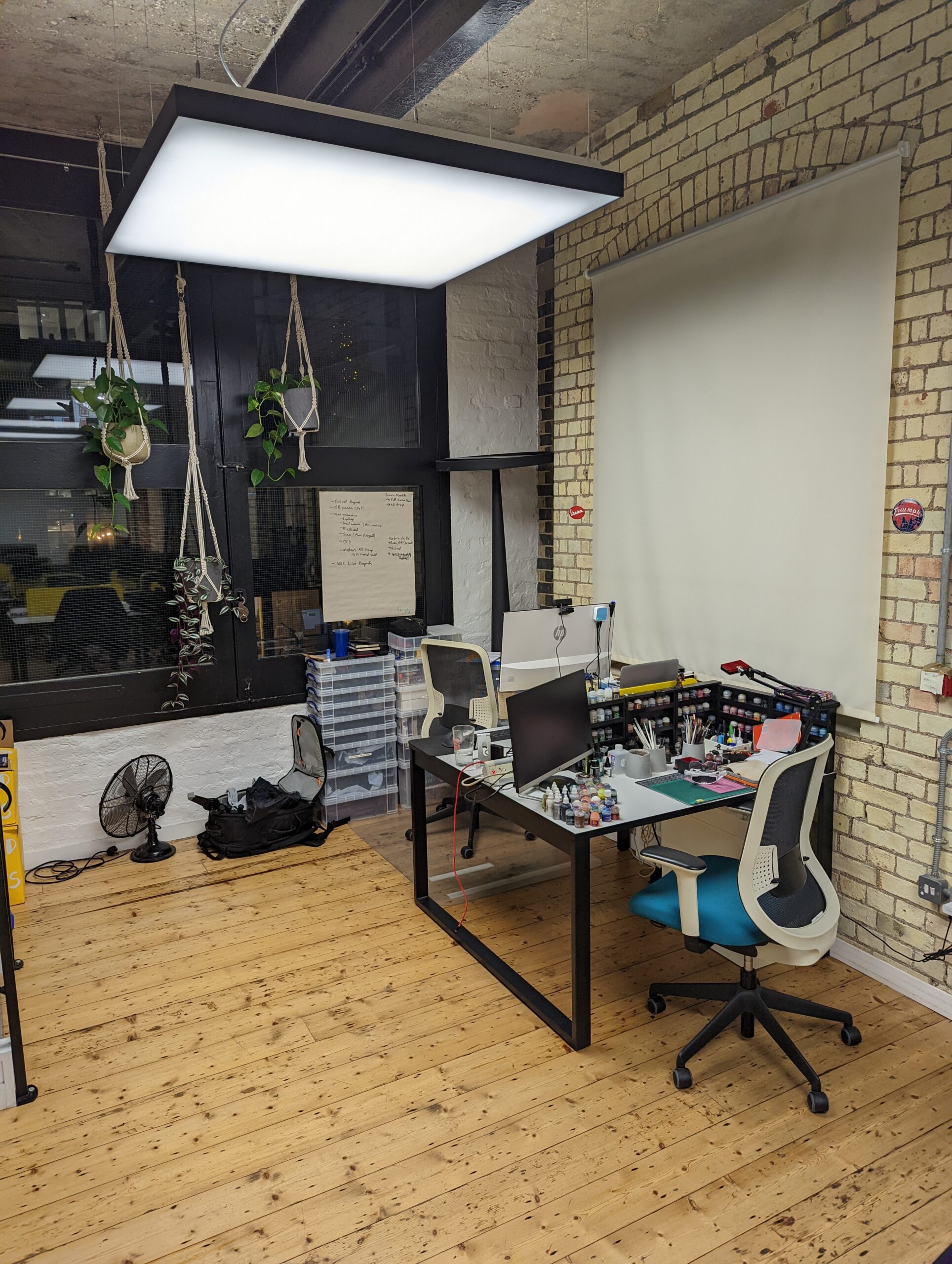
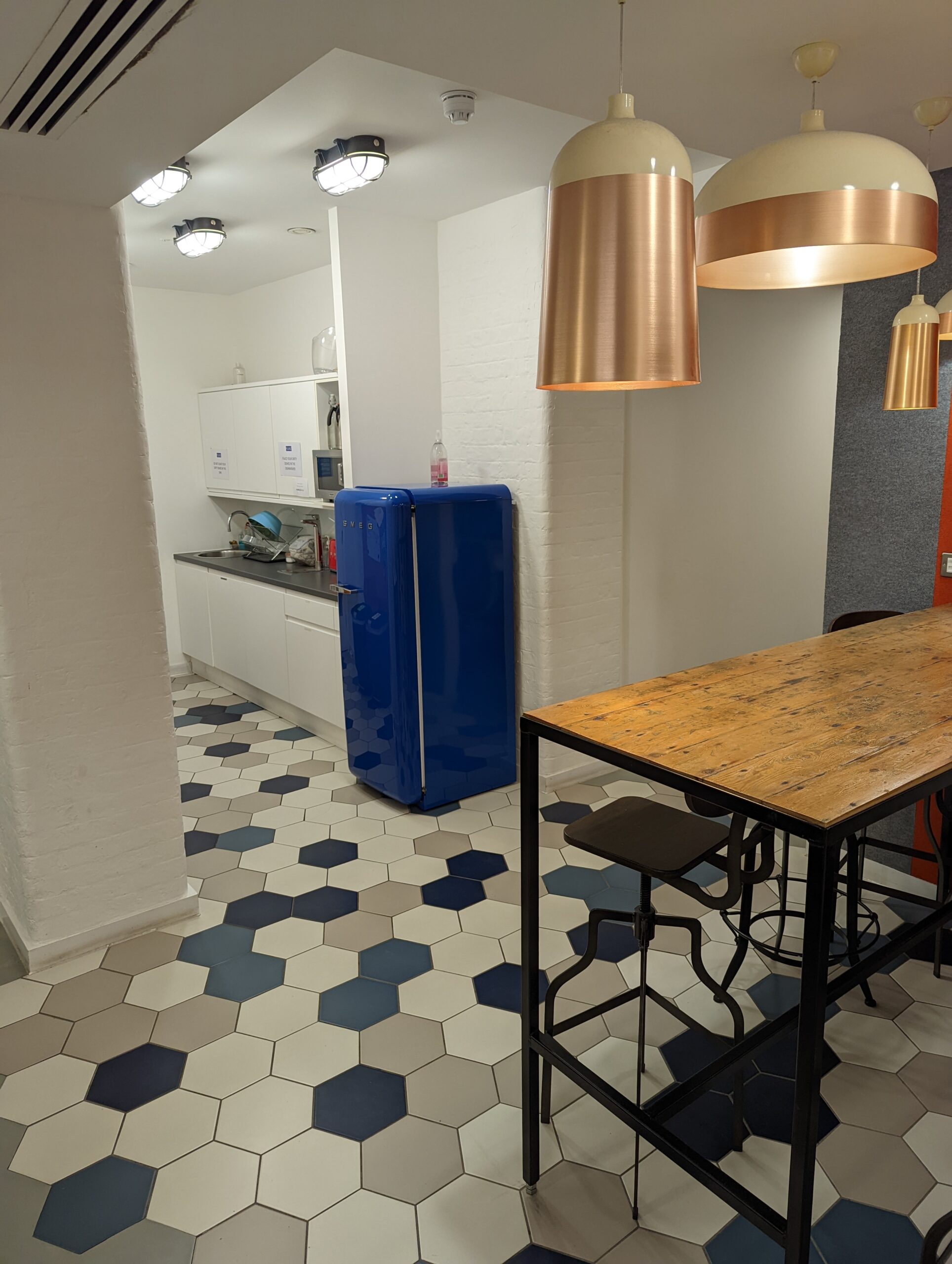
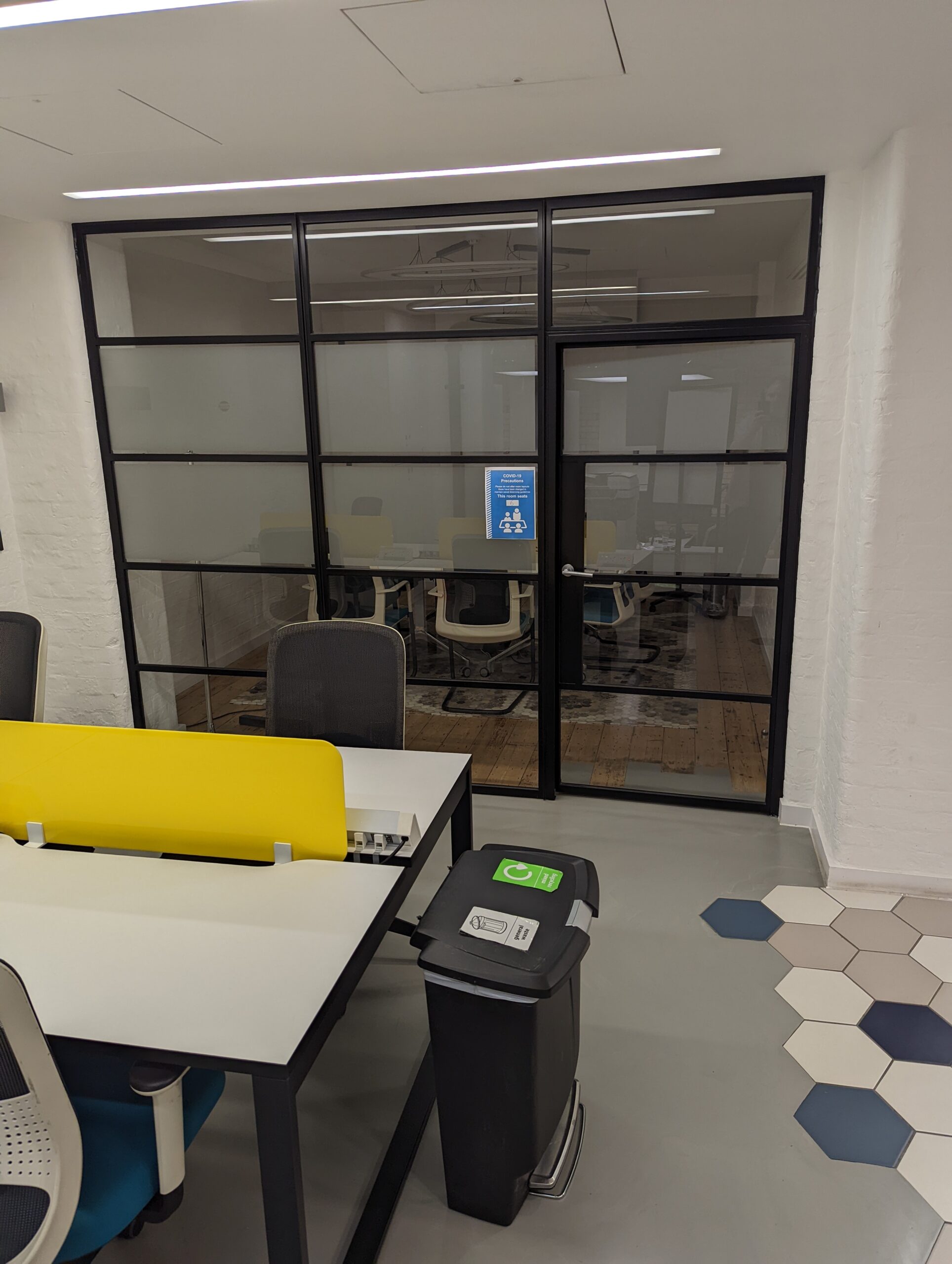
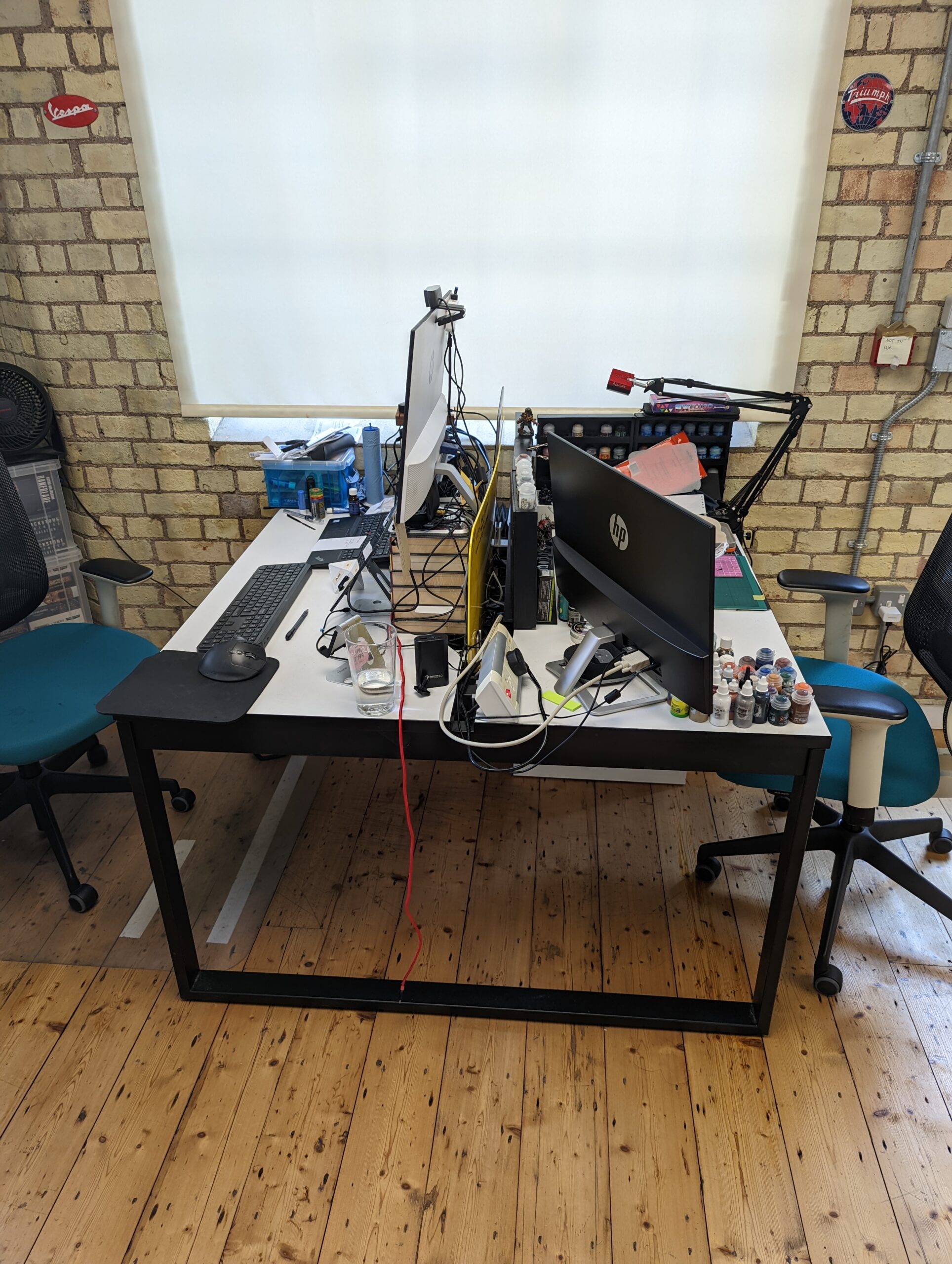
This post is long overdue, but as I stumbled across the draft while cleaning up, I felt compelled to give Purple Patch the tribute it deserves. The website is gone, the office is closed, but there should be at least one memorial to a place that was my professional home for eight remarkable years.

I was a resident of Purple Patch for ages, and in all that time, it was the perfect office for me.

In a world where coworking spaces often cater to people working two hours with a latte on a sofa, Purple Patch was different. It was a place to get work done. It was a place where you could start at the crack of dawn, deliver for clients, hit your goals, and make things happen.

But now, it’s all gone. The office, which miraculously survived the Covid lockdowns, just couldn’t bounce back. The demand never returned to the levels needed for survival. One of the best truly independent coworking spaces in London had to shut its doors.

But there were times I saw Purple Patch at its busiest, filled to capacity, hosting clients from multi-billion-dollar companies.

I’ve celebrated wins, weathered losses, and even failed spectacularly at tabletop football. I’ve closed deals that kept the lights on and worked on projects that pushed my boundaries.

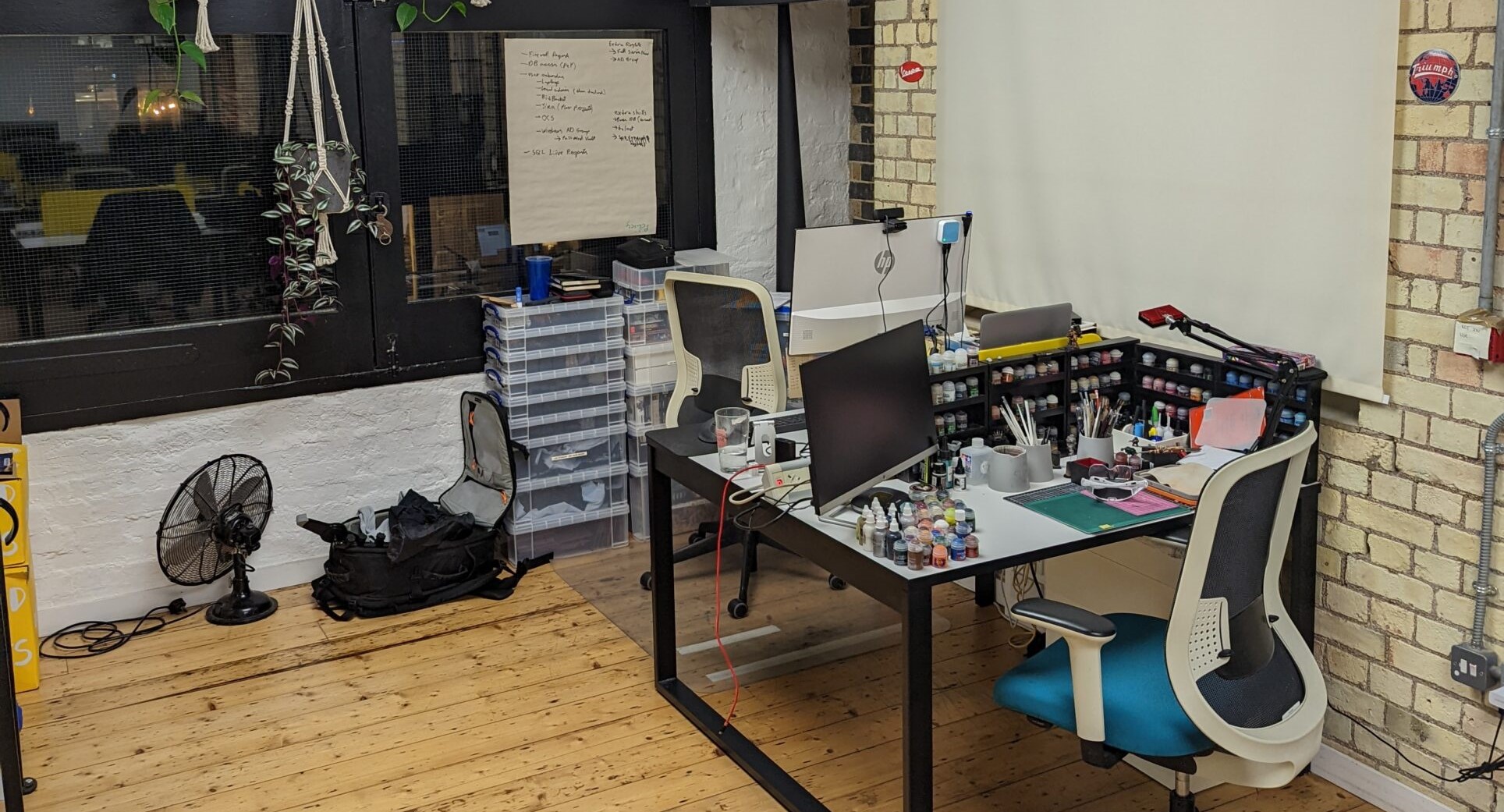
I started in a small corner, gradually spreading out to take over more space as both my work and hobbies expanded. The people who worked there and brought it to life made it special, and years later I still miss the place.

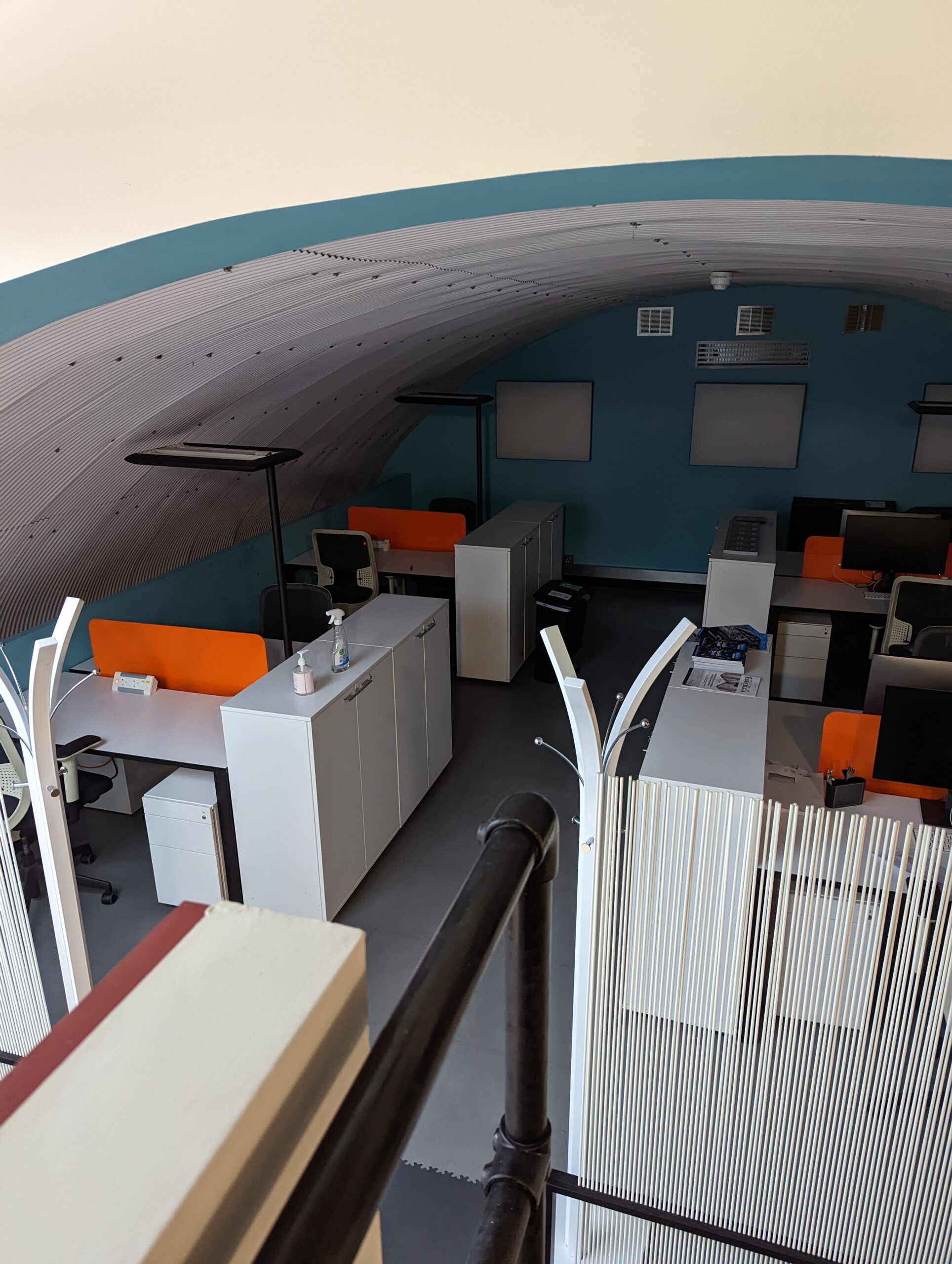
Purple Patch wasn’t just an office, it was a place of character. It wasn’t a coffee shop for sending a few emails, nor a corporate warehouse filled with rows of lifeless desks. It was a space designed to work in. It felt like a cozy library: a labyrinth of nooks and crannies, meeting rooms, and mismatched chairs. Yet, it still felt like home.
The 24-hour access meant I could work whenever inspiration (or deadlines) struck. I’ve spent entire nights there, catching a quick nap on the sofa during relentless work stints.

I’ve arrived before sunrise and left long after dark. It was adaptable and welcoming, yet polished enough that I could proudly host even my most high-profile clients.

It wasn’t just functional; it had everything I wanted: good chairs, sturdy desks, blazing fast internet, and a well-stocked kitchen. And let’s not forget the coffee. Unlimited, delicious, life giving coffee from the giant posh coffee machine on the ground floor.

Everyone I brought to Purple Patch loved it.

But the pandemic changed everything. Before COVID, Purple Patch was 95% full. The desks were occupied by corporate satellite offices, freelancers, and startups brimming with energy and ambition. Then, overnight, it was empty.

During the lockdowns, I was often the only one there. The space became mine alone, a surreal 150 seat office all to myself. I brought in an exercise bike, indulged in hobbies, and used the downtime to keep things tidy and ready for others who might return. Some did come back, but the world they returned to had shifted.

Gone was the nine-to-five culture. Small businesses and solo entrepreneurs like me were replaced by hybrid workers splitting their time between home and office.
Meanwhile, big coworking brands with deep pockets were offering massive discounts to lure people in, and landlords were eager to cash in on the changing landscape. Purple Patch just couldn’t compete; even if they knew sooner or later it would return to everyone needing to be in an office.

In the end, the landlord reclaimed the property, planning to merge it into a larger, more profitable but undoubtedly soulless development.

It’s a damn shame. The eight years I spent at Purple Patch were some of the most productive and meaningful of my career. It was a place I could count on through the challenges, late nights, and tight deadlines. I haven’t found anything better, and I’m not sure I ever will.

So here’s my epitaph for Purple Patch: a place that wasn’t just an office but the type of real community that you can’t artificially create.


Easy Overnight Oats

Recently I have been trying to eat a bit better and cheaper; one way that has worked has been easy overnight oats, and while there are hundreds of complex recipes out there, this is the simplest one that I have found that works for me

In a leakproof tub (I favour the Clip & Seal Lunchbox – Medium from Elephantbox which is 800ml).

1. Chop a banana 1

2. Chuck 2 cups of rolled oats ( 360 grams) in the bottom

3. Blend or mix 2 scoops of protean powder (80ml) with about 500 ml of oat milk. I have found that the extreme protein mix from The Protein Works is great and works well (the Salted caramel bandit is my favourite to go with banana).

4. Pour this over the oats and top up with milk to fill up the tub. Close and give a good shake, then leave in the fridge overnight.

This version tastes like Banoffee pudding. <happy sigh>

  1. or chuck in a handful of fruit; the frozen bags of it you get in any supermarket are perfect[]