I always find it fun when you bump into a modern corporate action that matches perfectly a mediaeval, or even older behaviour, and is just merely a rebranded version.
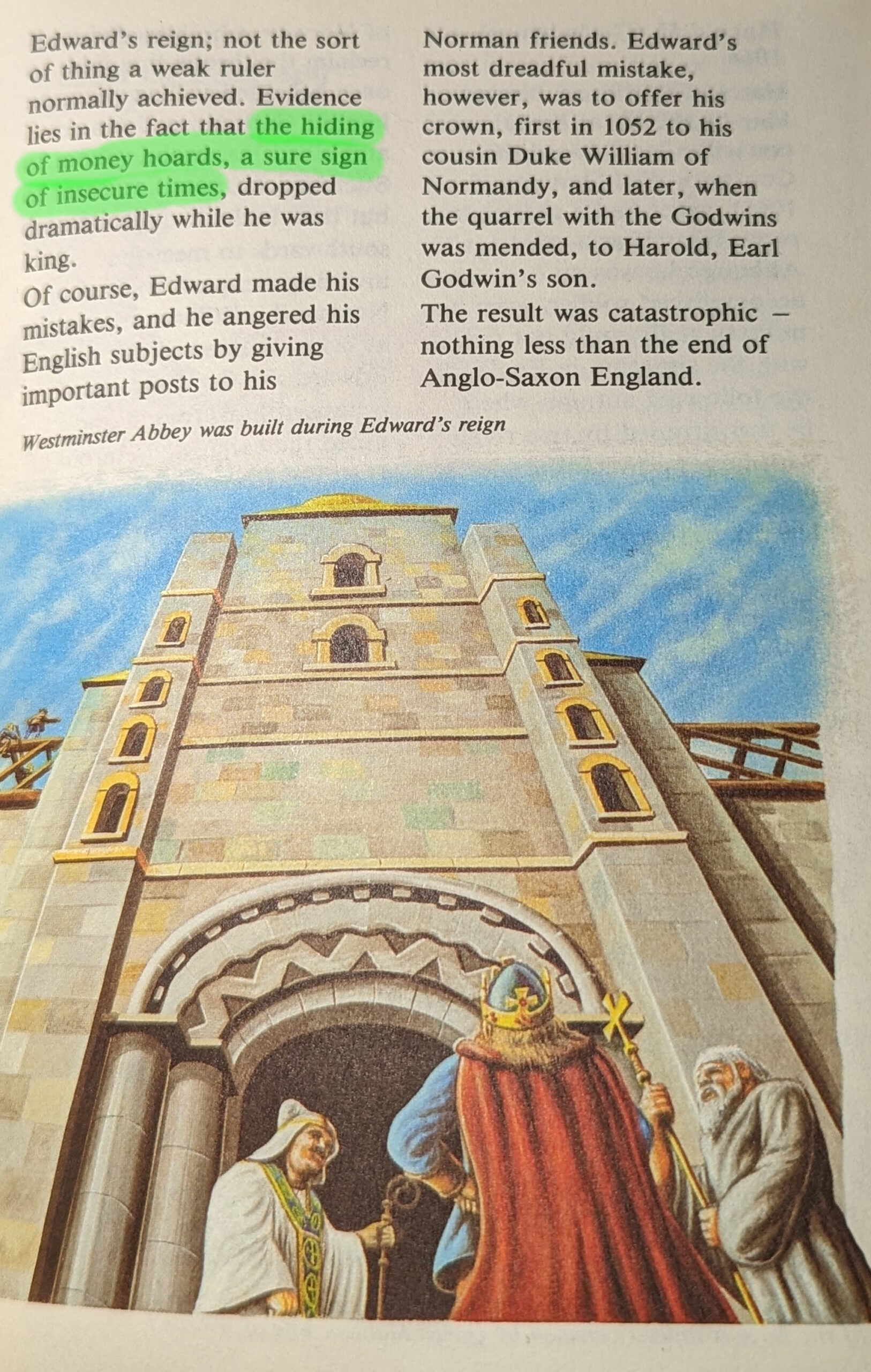
This weeks one is “Coin Hordes”, which were the conscious hiding of deposits of money (often in pots).
It was most frequently connected with the state of the monetary economy at a given time and was often done “In uncertain times of war, when plundering expeditions threatened”
Now, you often find the corporate version of this, which is assigning budget into different areas that are not normally visible, i.e. moving support money into project, project money into capital expenditure etc etc. Its done for exactly the same reasons.
I have yet in my career seen this done for a dishonest reason, and only seen it triggered by senior managers, who due to poor communication at upper levels, have made their own managers respond with “I do not know what the powerful people are doing, but I know I still have basic deliverables to meet, so will do what I can to defend myself and those I have a responsibility for”.
If you’re a very senior manager and you are seeing this in your teams, it’s because your managerial style is such that you trigger a response of uncertainty such as war or plundering. perhaps improve communication so that people have faith in your goals.
An issue that shows the difference in how people view things and is very, very common, particularly when you merge financial industries is how people view dirty data.
I’m gonna go out on a limb here. Dirty data is not the same as Human centric data. Human centric data is when you have something that is meant to works with people and you try and force it into situations where people Only look at data in the way it works with systems.
The best contrast is when you compare banking transactions and insurance transactions. Yes, yes, I know. It’s very boring.., BUT banking transactions are very, very pure. They’re very strict money orientated things that are run by accountants and can be nailed hard to the wall. Such data structures are very precise and clean. So when there’s bits missing, they are provably dirty.
But if you take someone from a strictly banking financial place and put them in insurance, they often think insurance data is hideously dirty. It isn’t. It’s human data. Think of this scenario:
You have someone who is working out an imprecise insurance policy. How do you get imprecise insurance you ask? because it’s rooted in fear. Insurance is how when frightened of something that you need protection from, you talk with a human on how to protect yourself from said fear. Obviously with common fears like a car theft we have an automated way of dealing with it. But in a lot of cases, it is a discussion and negotiation over things that people value, and for that, you tend to involve a human, hence why you still have a lot of human brokers. Such negotiations are often done away from computers, away from the little screens. And when they are done, someone signs a bit of paper, the broker who has worked out the price, then takes everything back and only then tries to work out how he’s going to get everything that he agreed and signed up for into the computer. Now the computer has very definite things in a financial transaction that it REALLY wants, Many of them multiple thought sets away from a negotiation (Audit and regulation stuff for example). So the broker or whoever is doing the data input tries to work out the best way of getting the data in. Often in retrospect, they’ve missed getting stuff, but they’ve already agreed, got the signature and taken the money, they’re not going to be able to go back (not without loosing face). They do their best, they fill enter the data, but very often to them its merely the paperwork, the real work has been done, this is just naff stuff.
Unfortunately when this is then taken further up the line, analytics are done and there’s fields that don’t make a lot of sense because they’re out of context. And that data is classed as dirty. In this situation, it’s not from the original context, it’s human data that is too broad and too changeable to fit in the neat boxes.
So before you actually take data and say this is rubbish and just shout that people should take more care, try and think of the context in which the data is being provided. Because ultimately, to try and make data ‘non dirty’. You’re gonna have to go back to how the data was put in and change those methods, if you don’t it will result in never ending data clean-ups 1, you’re not going to get buy in from the people that do it. You’re not going to make people happy. And ultimately they will just complain and as soon as you’re gone they’ll go back to their old ways because you’re not taken consideration of what they do and how they do it.
So not all dirty data is dirty. Some of it just involves humans.
or in the worse cases, data lakes that try and fix it in an automated way going forward[↩]
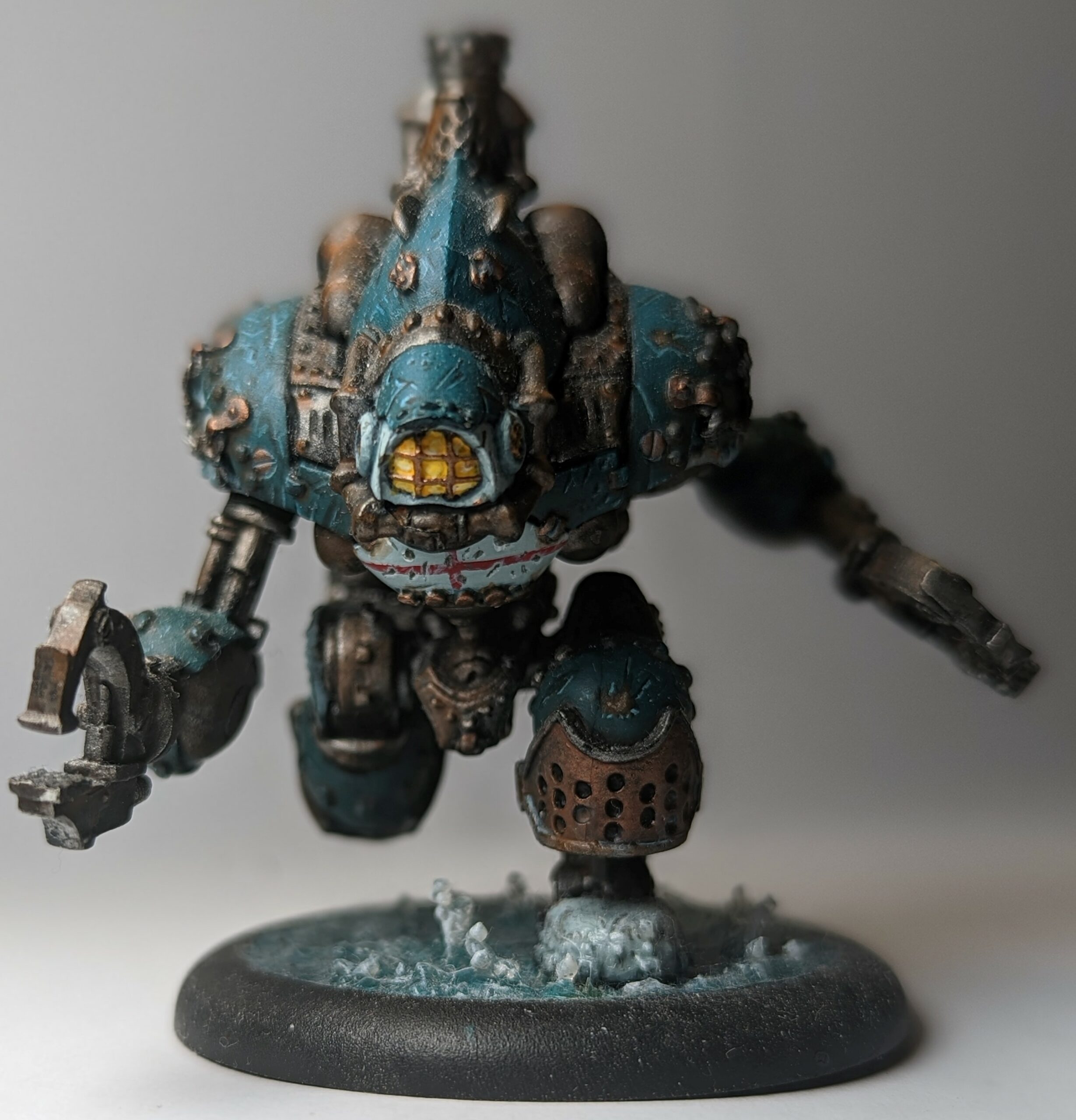
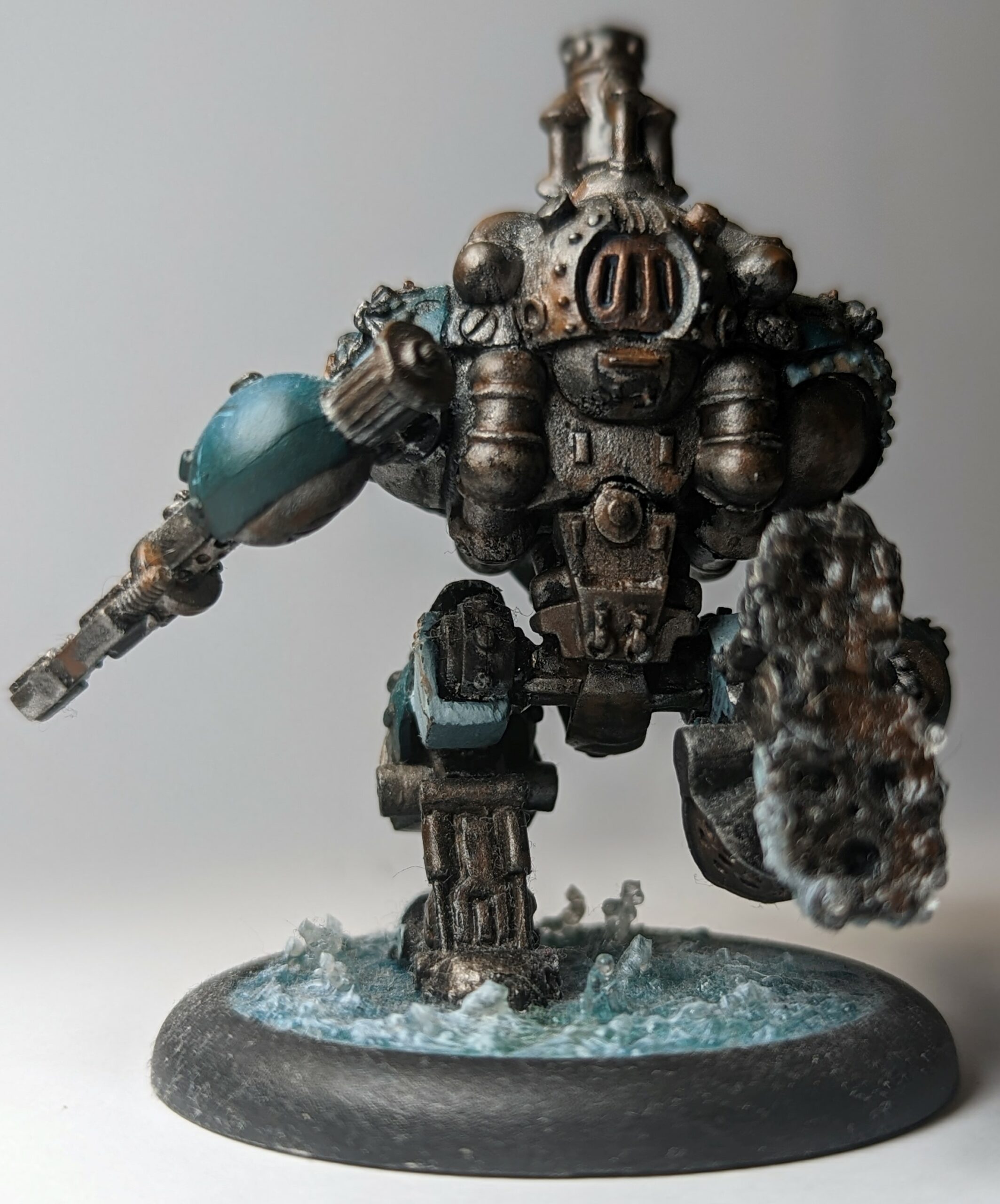
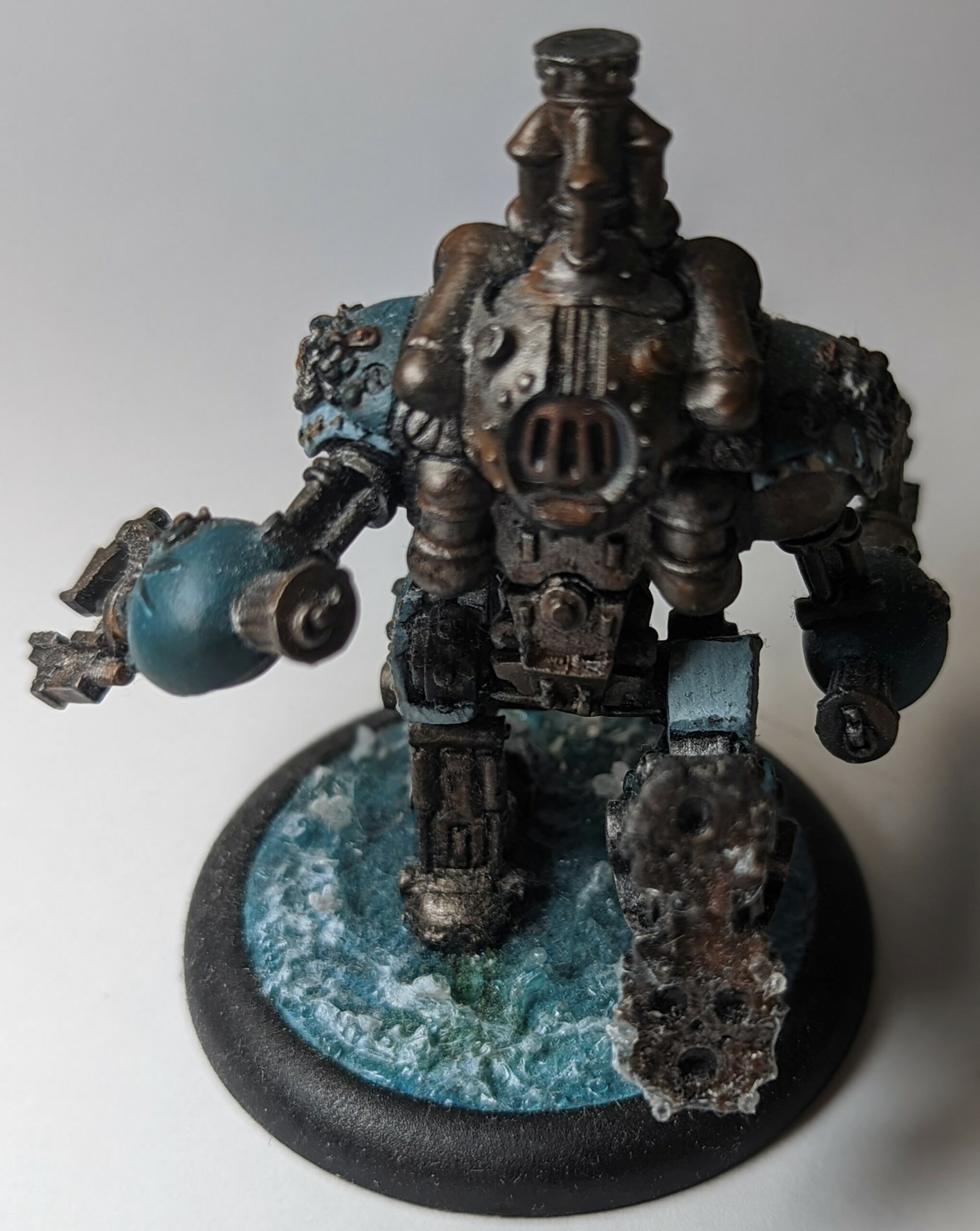
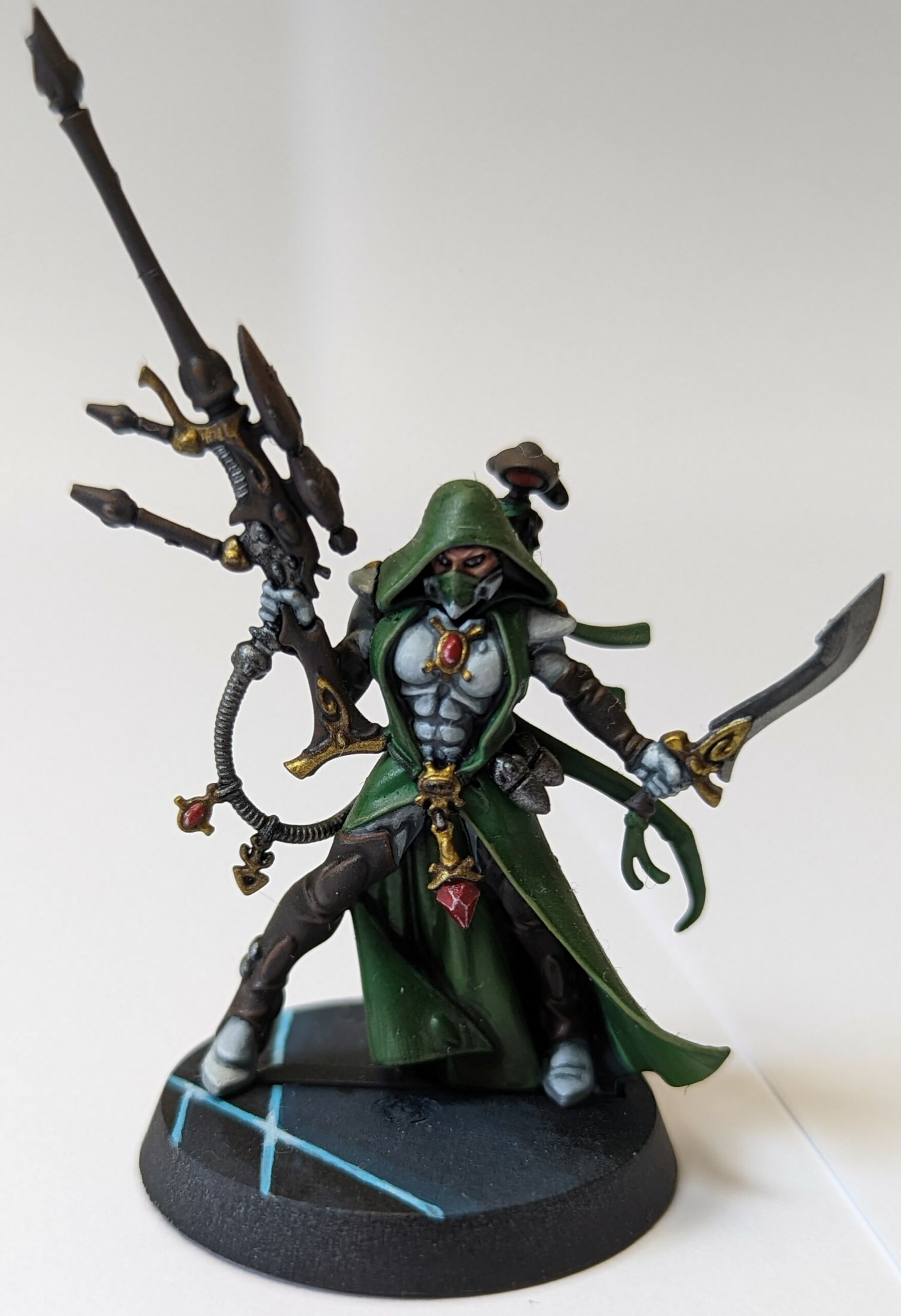
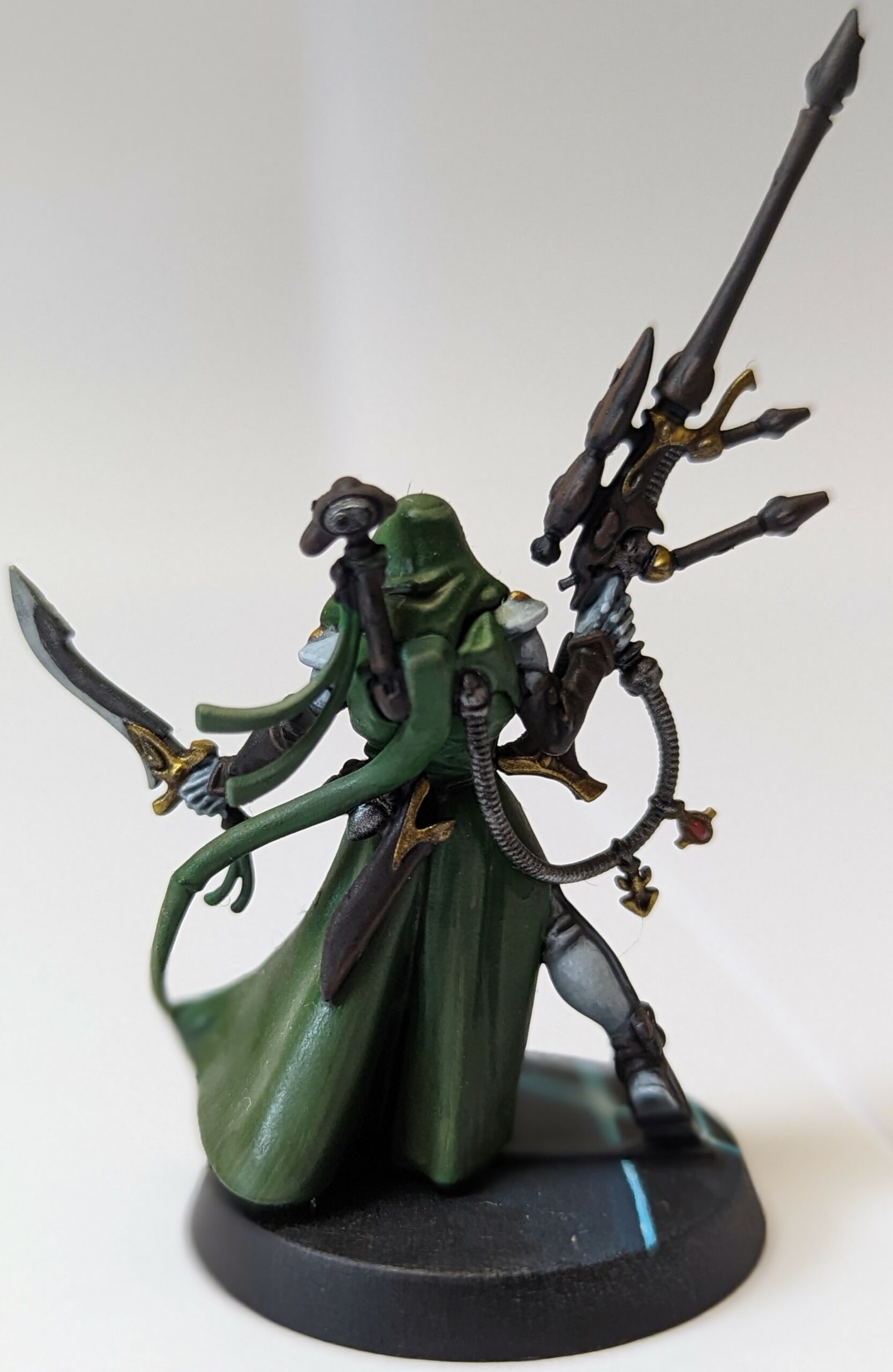
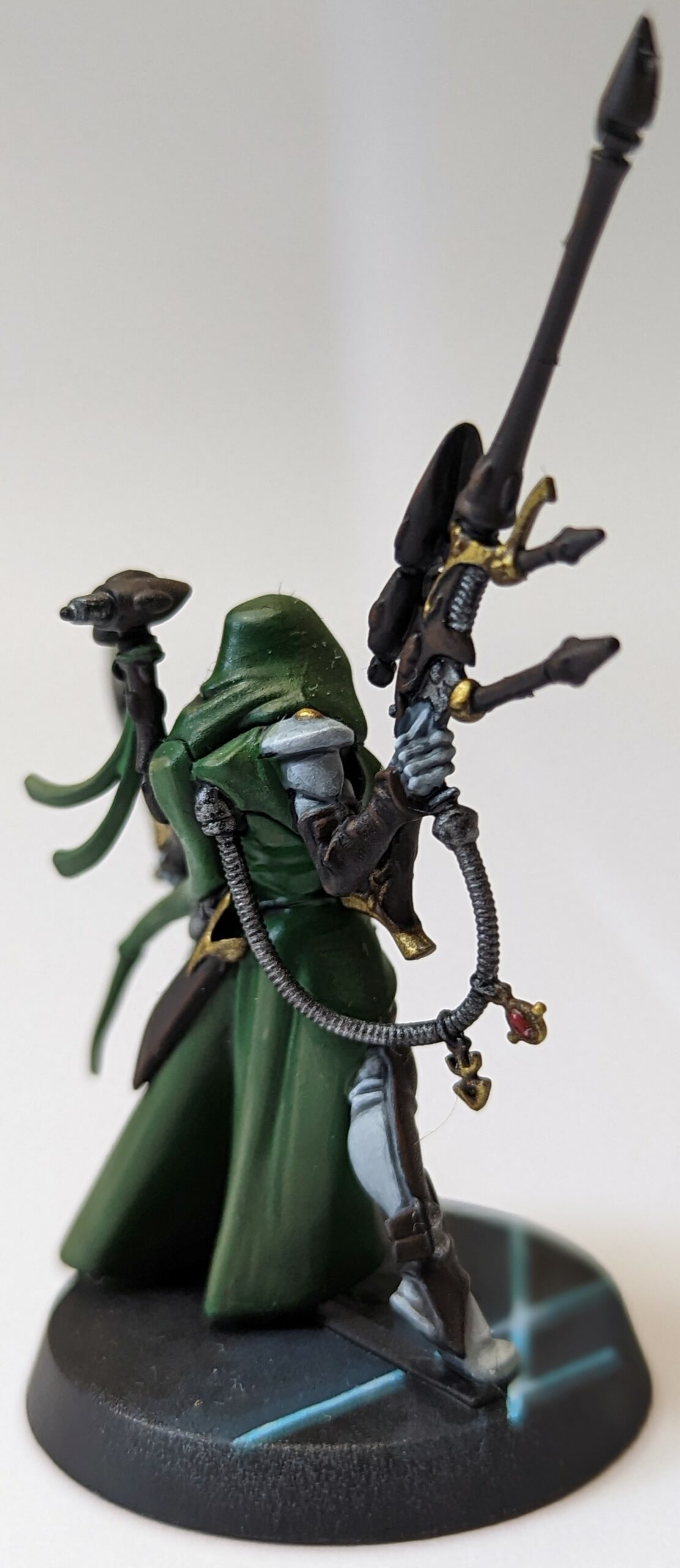
Method(s): Base whole model with Leadbelcher spray, next wash the whole model with Nuln Oil. Once this is fully dry, wash with Agrax Earthshade. Again once fully dry lightly dry then brush the whole model with Necron Compound.
For primary armour colour make a 1:1 ratio mix of Thousand Sons Blue and Caliban Green. for highlights add a little White Scar to this mix. this highlight colour can also be used randomly on armour to apply scratches and chips.
For secondary armour, colour base Celestra Grey and then layer Ulthuan Grey. The red cross is done freehand with Mephiston Red, for straight line free hand it is best done with a quick confident line. I find if you take your time you wobble more, if any mistakes are made this is easily fixed by painting Ulthuan Grey over the top. Once fully dried, highlight secondary armour with White Scar this can also be applied randomly for chips and scratches.
For any rust apply Rhinox hide randomly, this is best done around connecting parts or anywhere water would pool on the model. within the Rhinox hide layer a little Mornfang Brown, and within this apply a few dots of Skrag Brown.
Notes: For the base, paint blue (something like Caledor Sky, and layer Baharroth Blue but not full coverage allow some of the darker blue to show through, lightly highlight with White Scar dry brush. Next use Woodland Scenics Water Effects. This as a gel consistency and and can be shaped quite easily allowing you to make splashing effects, in addition once its dried you can apply more layers to allow for larger splashes. Take your time and have a play with this. remember water is random so don’t need to be precise. lastly once happy apply a very light dry brush of White Scar.
Normally just shortened to “Flower Sink” this is something that sounds like it should be easy but in reality its something that causes utter hell to implement, sometimes used in a slightly derogatory way if you call a stakeholder (any gender) “Mrs Blanding” to mean someone who does not understand the consequences of their actions or demands.
Explanation:
This is best explained by merely watching the YouTube video attached. But I’ll paraphrase it here. Basically, an old black and white movie from 1950 called “Mr. Blanding’s builds his dream house” has this one scene where there’s this huge bill that’s just come in, and they try and track down where its come from for this custom house. It turns out that it’s from a tiny and seemingly innocuous request made by Mrs. Blanding, the architect explains the whole detail of why it’s caused such an expense and the background for such a huge knock on effect from a really simple and what should have been an easy request. It is the best and original example of when someone comes up to you and asks for something that “will just take a minute” and then they do not accept that to just make their little request will cause lots of things to need to be done and have huge knock on effects. It is also one of the few examples where you can take someone who is simply not getting that such things have a huge impact and showing them the video, because it’s so old and so venerable it rarely causes offence, so it’s more useful than just about any of these corporate terms that you’ll read here.
Disclaimer: As always these posts are not aimed at anyone client or employer and are just my personal observations over a lifetime of dealing with both management and frontline associates.
Method(s): Base with Chaos Black spray. next I recommend starting with the face, base it in Bugmans Glow, (paint eyes first so you can easily correct mistakes) with Bugmans Glow after, base eye in White Scar, now with Abaddon Black paint each pupil, lastly with a very watered down Abaddon Black just put your brush tip to the edge of each eye this should flood the recesses for a cool dark eyeline affect.) layer Cadian Fleshtone avoiding the recesses, highlight Kislev Flesh.