Painting Guide – Blackstone Fortress: Dahyak Grekh

Painter: Dultoriminis

Model(s): Main Blackstone Fortress original box.

Paint(s): Chaos Black spray, Caliban Green, Ogryn Camo , Retributor Armour, Leadbelcher, Rhinox hide, Mornfang Brown, Skrag Brown, Screaming Skull, Screamer Pink, White Scar, Nuln Oil, Agrax Earthshade

Method(s):

Base: Chaos Black spray.

Skin: base Caliban Green, wash Nuln Oil, mix Caliban Green 1:1 with Ogryn Camo, paint over skin with the exception of any recesses, highlight with Ogryn Camo.

Claws: Screaming Skull, wash Agrax Earthshade,

Leather: base Rhinox hide, wash Agrax Earthshade, layer with Mornfang Brown, and highlight with Skrag Brown

Steel: base Leadbelcher, wash Nuln Oil, highlight with Leadbelcher

Cape: Base Screamer Pink, wash Agrax Earthshade, layer Screamer Pink avoiding dark recesses, mix White Scar and Screamer Pink 1:1 for highlights.

NOTE: Retributor Armour on any trim you decide on for either leather or steel.

Paint Time: 4 hours


Corporate Terms: “Vendor” vs. “Partner”

These 2 words are often used interchangeably in the corporate world, with everybody wanting to be a Partner never a Vendor, but they actually have quite a strict difference:

A Vendor

This is someone that’s selling you stuff and just sends you an invoice for it. it doesn’t matter what it is, it doesn’t matter if they give you a discount or freebee stuff, or how large the invoice is, If they send you an invoice and you pay and it’s a simple process like that, then they are a Vendor.

A Partner

Now, a Partner on the other hand is a Vendor that takes on some of the financial load or some of the financial risk for a given project or work. for example, if you are wanting to accelerate a project faster than your current budget would allow but are sure you will get the budget in the next years allocation. Then a vendor might say “look, we’ll give you five extra people for six months. and we won’t be invoicing that until next financial year” then they become a Partner, they have accepted a modicum of risk in the project or given you something that is more than just freebies. e.g. solid internal training that actually costs them something to provide.

That’s it. You don’t call yourself a partner until you’ve actually exposed yourself to some form of limited risk or given the client something that they cannot currently get.

Personal Opinion Addendum

How long does partner status last for? Traditionally corporations are like angels in that they have no memory, but in this case I tend to see this last to the first financial period that the Client company does not owe the Vendor company anything, e.g. if a Vendor forwards a Client a bunch of free consultancy or training at the beginning of a project, but then invoices for that consultancy in the next financial period, they have just used up their partner status, They will still be called a partner but it is unwise for them to assume they can use it until they again show they are willing to resume their investment in the project.

Disclaimer: As always these posts are not aimed at anyone client or employer and are just my personal observations over a lifetime of dealing with both management and frontline associates.


Painting Guide – Greater Possessed

Painter: Dultoriminis

Model(s): Space Marine “Start Collecting” Box (out of print)

Paint(s): Chaos Black Spray, Bugmans Glow, Cadian Fleshtone, Druchi Violet shade, Zandri Dust, Agrax Earthshade, Ushabti Bone, Screaming Skull, Abaddon Black, Dark Reaper, Fenrisian Grey, Leadbelcher, Retributor Armour

Method(s): Spray model Chaos Black for base coat

Armour: Start with a 1:1 mix of Abaddon Black and water, then cover the whole model, as mentioned in other posts this is so if we need to do any corrections we have the right black as the finish, as Abaddon Black and Chaos Black are slightly different. next highlight all the black armour with Dark Reaper, I would also recommend leaving a small gap between the gold tip and highlighting along these parts to add more contrast to the black. Lastly a fine highlight over the Dark Reaper of Fenrisian Grey.

Skin: Base Bugmans Glow, next mix Bugmans Glow and Cadian Fleshtone 1:1 and layer leaving all but the darkest recesses, highlight Cadian Fleshtone, wash with Druchi Violet, once dry, do a second wash in the recesses, this will give the grim bruised and sore looking skin, finally highlight once again with Cadian Fleshtone.

Bone: Base Zandri Dust, wash Agrax Earthshade, layer leaving darkest recesses with Ushabti Bone, wash with Agrax Earthshade, highlight with Screaming Skull.

Trim: Base gold trim with Retributor Armour, wash Agrax Earthshade.

Steel/metal bits: Base Leadbelcher and wash with Agrax Earthshade.

Paint Time: 4-6 hours

Notes: Take your time with the skin, this is what draws the eyes attention. as long as you get that right the model will look great.


Corporate Terms: “Real time” vs. “Near time” for data sync

Definition(s):

Real Time

Real Time data synchronization is the continual process of keeping a record identical between two or more systems. the timing for this is measured in milliseconds or single digit seconds and is controlled by triggering actions, e.g. “every time you write to a table you run the sync”.

Near Real Time or “Near Time”

Near Time data synchronization is measured in seconds or in single digit minutes, and is a fast Batch synchronization controlled by a schedule, e.g. every 2 mins.

Explanation and Considerations.

When you are talking about the data synchronization between systems, and requirements come up in initial project conversations, ALL business users and indeed most senior management will say “Real time” straight away, its a phrase they know, it is a speed they see on their phones and in a lot of social media. But when it comes to enterprise or legacy data exchange, it is something that requires significant changes or investment to get right.

Let me explain further. Real time is when an action is performed on one system, and it instantly alerts another system that a change has been made. That system can then pull or receive the data changes. It happens in real time, hence the name. Now, if you think about that, that requires a load of effort. There are lots of ways of doing this. You can buy fancy software that will watch the other system like a hawk. You can have transactional logs, which save an entry to a file every time a changes made. And then the other system can watch for those log changes and make the update, etc etc, all while the servers are trying to do their real job of supporting the users doing business, so to make this work you will either require lots of time, lots of resource, lot of money, or sometimes all three.

The real question is, does your business unit require that level of data synchronisation? The only way to truly know is to go and actually do a workflow assessment, work out how exactly they’re going to work with the data, that will give you your answer. Hopefully it will also give you an answer for exactly how long it is that the data can be in one system before it actually has to be in the other.

This is where Near Time comes in. Near Time is basically fast scheduling. You’ve got a schedule that’s looking for changes every few minutes. If it finds any changes, it’ll synchronise them, then repeat. It doesn’t require anything like as much special tooling or resources and very very rarely requires your to reconfigure or expand your existing systems. Nearly all data exchange systems will have this kind of thing built in. And so will be far cheaper and more reliable, and often be far nearer to what your business really needs.

Corporate IT phrase: “Babysitting”

Definition:

To sit and watch an automatic or long process, so you are on hand to instantly fix or restart it, should there be an issue.

Explanation:

‘Babysitting’ has been a term that has been around for ages and ages, I remember doing it with backups, back when tape drives would fail randomly for no reason. With the growth of serious remote working, it has taken on a slightly double edged meaning, traditionally, if you were babysitting something that meant that you sat with it, what ever it was, praying for it to not fail and watching it like a hawk to make sure that it completed and if there was any issues you were there to fix them. It was vitally important when you simply couldn’t afford for an unattended process to go wrong.

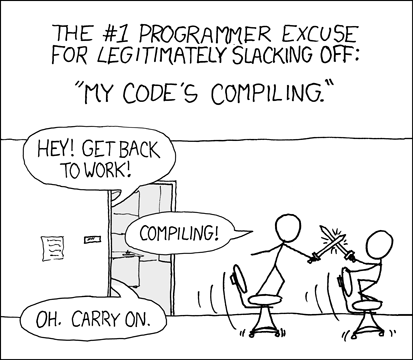
In modern times, particularly with a lot of the remote working there is a new use of the term babysitting.. and that’s if you’re babysitting a process that shouldn’t really be ‘babysat’, so you can skip work. The most common one now is sitting and watching a job run on your laptop when it should be running on a server, such jobs need 100% of your laptops effort so you can’t do anything else, its this decades version of “its compiling” but smarter, as all the monitoring software that is jammed on remote workers machines show that they’re active users who’s computers are going flat out.

Ultimately when people are doing this kind of thing, its rare that they are actually deliberately slacking off, and more likely they are suffering from “being managed” and are just pushing back to try and give them self some breathing room or deal with an infrastructure issue, so investigate first before having a melt down.


Disclaimer: As always these posts are not aimed at anyone client or employer and are just my personal observations over a lifetime of dealing with both management and frontline associates.