Humans all work differently. Some of us require more sleep than others, and many of us are more productive at specific times of the day. It’s simply how we’re wired.
Despite this natural diversity, the modern work culture often follows a rigid schedule, such as the traditional 9-to-5 or even the extended 8-to-6 professional workday.
The challenge in today’s world lies in aligning your personal peak productivity hours with the demands of your clients or employers.
Discovering Your Peak Hours
If you’ve identified a particularly productive window in your day, for instance, my own tends to be between 4:30 PM and 7:30 PM, it’s crucial to protect that time. Allocate it to meaningful work within your personal schedule.
Avoid wasting it on unproductive meetings or tasks that don’t require your peak focus. With a bit of observation over the years, you’ll notice when these times occur naturally, and you can plan accordingly to maximise how much you really get done.
Leveraging Flexible Work Arrangements
Good managers and colleagues often recognise that people’s productivity varies throughout the day and make accommodations accordingly. Make sure you are part of this and help people become aware of it.
For example, they might say, “Maurine always sends the finance reports right after lunch, so I just leave her to it.” This kind of observation has become even more relevant with the rise of remote work during the pandemic and the increasingly 24 7 nature of corporate life.
By guarding yours and your team’s most effective hours, you’re not only doing yourself a favour but also helping your team achieve better results. It’s a win win situation.
A Broader Perspective on Productivity
An important aspect of personal effective working is also understanding the global nature of today’s workforce. For instance, a recent Diwali holiday highlighted this for me.
Diwali, much like Christmas or Ramadan, is a significant occasion that deserves respect. Yet, some people only perceive it through a narrow lens, thinking, “I won’t get what I need from India today.”
Such attitudes reveal a lack of broader thinking. Encouraging colleagues to appreciate these global nuances fosters not just better relationships but also a more effective and respectful working environment.
Final Thoughts
Understanding your personal peak productivity times is essential to thriving in today’s demanding world. Aligning your schedule to get the most of these hours while staying aware of cultural differences can elevate both your efficiency and your workplace relationships. It’s about the old phrase of working smarter, not harder, and fostering a work culture that values individuality and respect, meaning that people want to work better together.
If you’re like me, YouTube has become less of an occasional distraction and more of a default “TV channel.” While I browse a wide variety of content, Let’s Plays are hands down the thing I watch the most of.
There’s something about watching someone play through a game, especially story driven or strategy heavy titles, that often beats what traditional TV shows can offer.
However, I’m a bit picky when it comes to commentary style, pacing, and overall vibe. In this post, I’m sharing my favorate Let’s Players and why I like them.
Criteria for a Good Let’s Player
None of these channels are “no commentary” content creators, who don’t really count as “Let’s players”, and are more “long players.” I prefer proper commentary that provides the following:
They are softly spoken without shrieking or jarring volume spikes.
Offers intelligent insight and progresses the game at about the same pace I would if I were playing (not including boss battles, which I’m naff at).
Enhances the gameplay experience rather than overshadowing it.
All of these Let’s Players feel like having a non-intrusive conversation going on in the background. They don’t scream and tear you away from your workflow, but they also don’t drone on so monotonously that you tune out. For me, that balance is perfect.
Christopher Odd
Christopher Odd is probably my longest standing subscription. I’ve even financially supported his channel for multiple years. His commentary style is excellent, steady, thoughtful, and perfectly paced for the types of games he plays.
These days, it seems he might be winding down his YouTube presence; he’s dropped a few hints in videos about doing consultancy and other game industry work. It’s a logical transition for someone with deep experience in gaming and Let’s Plays, but it does seem that we are getting just 1 video a day which is “odd” for someone doing this full time.
What He’s Best At:
XCOM and other turn-based combat titles, he’s simply the best out there.
Long, story driven adventure games, if you dive into his back catalog, you’ll find fantastic full playthroughs with great commentary, but alas, these have dropped off hugely of late.
Even if he’s posting less frequently now, his older videos are absolute gold if you’re looking for comprehensive coverage of epic adventure games.
Eltimar Gaming
If you love long form RPGs, think 80, 90, or even 100 hours per game; then Eltimar Gaming is your channel. This Let’s Player tackles completionist runs and even double runs (trying different paths in a single RPG), so you can immerse yourself fully in each title.
The commentary style is soft and soothing, which can be both a positive and a slight drawback if you want something lively in the background while working.
But if you’re up for a more relaxing vibe, Ultima Gaming’s calming voice can be the perfect companion for those sprawling role playing epics that most other channels barely cover.
Laila Dyer
I discovered Laila Dyer while searching for playthroughs of more obscure games. They see those titles through to the very end, offering a soft-spoken, almost ASMR-like commentary that’s incredibly soothing.
Their Pathologic series is especially noteworthy. The Let’s Plays focus on adventure and slower-paced narrative games, with thoughtful insights that make each episode both informative and calming.
Fighting Cowboy
Fighting Cowboy is the hardest-working Let’s Player on this list. While other creators might produce one or two videos a day, Fighting Cowboy seems to clock in and pump out content with the consistency of a 9 to 5 job .
You get multiple runs on the same game: blind, Let’s Play, full walkthrough, and completionist streams.
If you want Souls like games dissected from every possible angle, Fighting Cowboy is your person.
His coverage is comprehensive, making it perfect for players who want every detail or strategy.
Tip: Because he produces so much content, you can easily burn out if you try to keep up with everything in real time. Pace yourself, and don’t mistake fatigue for a lack of quality. It’s just that listening to any single voice for eight hours straight can get overwhelming!
Positron plays
Positron, as far as I know, has a background in quality assurance testing, and it shows. The channel excels in meticulous playthroughs of Metroidvania and side scrolling adventure games.
Positron’s commentary style is incredibly kind and friendly, making it a joy to watch or even have on in the background. If you’re looking for an extensive library of 2D titles, Positron’s catalogue is a must see.
Note: They’ve been dealing with some real life issues recently, which might affect their upload schedule. But whenever they do post, it’s worth your time.
Horifik
Horifik is a newcomer to the Let’s Play scene but clearly a long-time gamer, especially drawn to horror and sci-fi games.
The charm of their channel lies in the cultural references, the funny English colloquialisms, and the genuine, down-to-earth humour, especially when characters do something bizarre or unrealistic in-game.
Horifik is also easily startled and not a fan of being chased in horror games, which translates into comedic gold for viewers. With a schedule of at least one video a day, plus occasional bursts of extra content, Horrific is someone to watch if you like spooky games with a humorous twist.
Final Thoughts
If you’re looking for new channels to subscribe to, I highly recommend giving each of these creators a try. Whether you want the calm, story-focused approach or a full, in-depth teardown of game mechanics or even insights into the inspiration of game creations, there’s something here for everyone.
Have you ever noticed how some people thrive on frequent praise while others are content with occasional validation? This dynamic, which I call the “praise cycle” (or the “worth cycle” as it’s more correctly known), plays a crucial role in how individuals perceive their value and stay motivated in their work.
As a team leader , manager, or project manager, you really should know about this kind of stuff, so let’s talk about it:
What is the Praise/Worth Cycle?
The praise cycle refers to the frequency and form of validation a person needs to feel valued and motivated. For some, this could mean verbal affirmations, while for others, it’s tangible rewards like paychecks or promotions.
Understanding your own praise cycle, as well as those of your colleagues, can significantly impact workplace dynamics and personal satisfaction.
Think of it like telling your partner, “I love you.” They might already know it, but the act of verbalising it reinforces the bond. Similarly, in a workplace, individuals need their efforts acknowledged to varying degrees and in different ways.
The Spectrum of Praise Needs
The need for validation varies widely among individuals:
High-Need Individuals:
These individuals require frequent feedback. They may benefit from daily check ins or regular affirmations that their work is valued.
Example: A team member who thrives on being told they’re doing an excellent job during daily status calls.
Low-Need Individuals:
Some people are content with minimal feedback, such as an annual review or a steady paycheck. Example: A contractor who sees payment for their invoice as sufficient validation of their efforts.
Praise Cycles in Action
The praise cycle can vary not only in timing but also in source. Validation can come from peers, subordinates, or superiors, and it’s essential to recognise these dynamics:
Daily Feedback:
Individuals with a daily praise cycle may be perceived as needy, but accommodating their needs can improve productivity and morale. In a cold hearted way this requires assessing whether the effort of providing constant feedback is outweighed by the value they bring to the team.
Monthly Feedback:
Contractors and salespeople often operate on a monthly cycle, where the payment of invoices or commission checks serves as validation. For these individuals, tangible results matter more than verbal praise.
Annual Feedback:
Long-term employees often rely on annual performance reviews or promotions to validate their contributions. While these reviews are a common corporate practice, they may lack the immediacy some individuals need to feel appreciated.
Long-Term Validation:
Visionaries and dreamers may measure their worth by progress toward ambitious goals, such as climbing the corporate ladder or achieving a significant personal milestone.
Types of Validation
Validation can take many forms, including:
Verbal Praise:
Positive affirmations like “You’ve done a great job this week” or “We couldn’t do this without you.” Though sometimes dismissed as sycophantic, this form of feedback can be crucial for some individuals’ morale.
Organisational Recognition:
Titles, promotions, or increased responsibility can signify worth to some people. While they might seem superficial to others, these accolades often hold deep meaning for the recipient.
Tangible Rewards:
Pay raises, bonuses, or perks like company cars or extra vacation days provide concrete validation, and while sometimes dismissed with a “you are only in it for the money” if that is how a person judges their worth, then that is what you will need to provide to get the best from them.
Managing the Praise/Worth Cycle
To effectively navigate the praise cycle in yourself and others:
Understand Your Own Cycle:
Reflect on what motivates you. Is it verbal affirmation, tangible rewards, or career progression?
Be aware of how others might influence your perception of self-worth.
Adapt to Others’ Cycles:
As a leader or colleague, recognising the praise cycles of your team can help you build stronger relationships and work together better. For example, a manager’s validation may come from their team’s praise, while team members might need daily or weekly encouragement.
Final Thoughts
Understanding the praise or worth cycle is not just about providing validation but also about building a culture where individuals feel valued and motivated. While this might seem like a simple observational concept, its implications can profoundly impact workplace dynamics, personal growth, and overall satisfaction. By recognising and respecting these cycles, you can create environments where everyone’s contributions are acknowledged in ways that actually really matter to them, whether through daily praise, tangible rewards, or long-term goals.
Ultimately, this awareness makes us better colleagues, leaders, and fellow humans.
Starting a conversation in a corporate chat client effectively is crucial nowadays, especially with the widespread use of chat platforms like Teams and Google Chat. These tools can be incredibly helpful but also frustrating if not used properly. One of the biggest pitfalls is failing to start a message in a way that does not trigger a negative response.
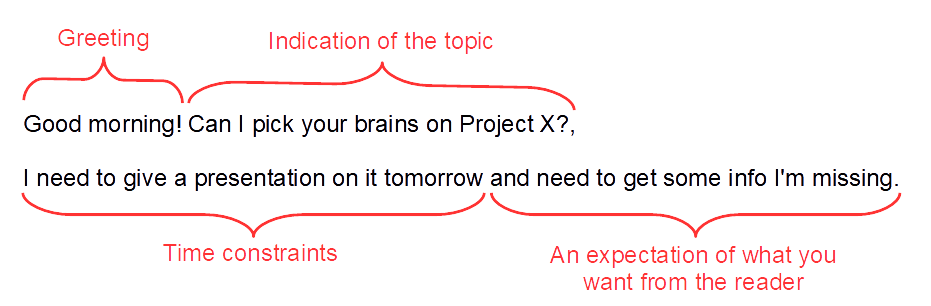
When beginning a chat, start with a simple greeting, a brief mention of the topic, and what you hope to achieve from the conversation.
This approach is straightforward but very effective. For example: “Good morning! Can I pick your brains on Project X?, I need to give a presentation on it tomorrow, and I’m after some info I am missing.” This includes a greeting, an indication of the topic, and sets expectations and time constraints—all in a single sentence.
This structure helps others gauge the priority of your message and reduces any confusion.
In addition, avoid vague or overly chatty openers, like “Good morning. How are you today?” spread across multiple lines, which leaves the recipient wondering what you need and also frustrated, especially if you are a slow typer or expecting responses.
Finally, try to avoid abrupt messages that skip all courtesy, such as jumping straight to “Is System X down?” While this may be acceptable in urgent situations like outages, omitting basic courtesies in routine requests (like “Is Report X ready for next week’s meeting?”) can come across as rude and dismissive.
This year has been without a doubt one of the most satisfying ones of my life, personally and professionally, A solid year all around. Let’s, as normal break it down, then talk about 2025
Work and Professional Growth
On the work side, I’ve achieved a large percentage of what I wanted. Im very happy to be away from under the faceless control of the human resources machine and back to being a genuine consultant in a small dynamic company fixing larger corporate issues.
My clients seem to be really happy with what I’m doing for them, and I’ve enjoyed the most positive new working relationship I’ve had in a decade. It feels like I’ve transitioned from being a “contractor” to being recognised as part of a genuine vendor, which is a significant step forward.
The daily work itself has been both challenging and incredibly fulfilling. That makes all the difference. It’s not always easy, but it’s always worth it.
On the management side, I’ve learnt a lot. For years I’ve thought of myself as “a tech person who does some management.” But now, I’m fully embracing a dual identity: a manager who deeply understands technology and the business. It’s a shift that has required growth and adaptation, but I’m leaning into it (see, I’m even using management phrases).
This year, I’ve also had the unique opportunity to observe and learn from a wide spectrum of project managers across a multinational organisation from the inside and finally see what drives them to do the things that seem so insane from the outside. The contrasts have been eye-opening. Seeing the range of styles and approaches has taught me lessons every single day.
Personal Life
On the personal front, this year has been full of joy. One of the biggest highlights? Reuniting with my son in a proper way. Watching him thrive and get engaged to an absolutely wonderful person has been a source of immense pride and happiness.
For the first time in over a decade, we’re celebrating Christmas together, three generations under one roof. That’s a moment I’ve dreamed of for years.
Health wise, things are stable. My lungs, which have been a longstanding issue, are under control thanks to excellent care and support, and though there has been little growth, I dont feel much older.
What are the goals for 2025
I want to focus on growing my management skills. GOOD management has far more to it than most people actually do. People assume that once they’ve earned a managerial title, they’ve mastered the art. That’s far from true.
Just like in any profession, growth in management is a continuous journey. This year, my goal is to improve by doing, learning from hands on experiences rather than formalised programs.
I’m fortunate to have a couple of significant projects lined up, and I’m determined to deliver them as things of grace and beauty. Alongside this, I need to keep up with my knowledge in business and the tech side.
Admittedly, 2024 was quieter on the business knowledge side with how busy its been, so this year I plan to dive back into my Chartered Insurance Institute exams and get at least a few of them taken.
On the technology side, my main clients are heavily Azure focused, so staying current in that area is non negotiable. Thankfully, I’ve been lucky to work with colleagues who, because I approach them with respect, are patient and willing to share their more up to date knowledge. This collaboration has been an incredible learning experience.
On the personal side, one goal I’ve repeatedly set (and neglected) is returning to fencing. This time, I’m determined. Haverstock fencing club has added Saturday sessions, making it much easier to commit to regular practice.
Another priority is addressing a new back problem, which stems from years of sitting at a computer. Thankfully, my fantastic personal trainer is guiding me through this, helping me strengthen my body and alleviate the issue.
This year also marks my 50th birthday, and I’m determined to get my weight down to 100 kilograms. It’s not just about the number; it’s about not looking like an old fart at the parties this year.
Lastly, I want to actually get a grip on the model painting. I’ve spent too much time procrastinating and pottering around rather than doing. This year, I’ll focus on actually painting a few armies, running a few campaigns, and playing some actual games.