As someone who paints mainly Warhammer miniatures, I often paint in what’s known as “Grimdark” style. This term applies both to the narrative (“In the grim, dark future, there is only war”) and to the painting style itself, which emphasises a gritty, weathered look with battle damage and grime.
Within grimdark, there’s a spectrum, from simply shadowed effects just using things like “Nuln Oil” shading, to the intense enamel painting that embodies the full “Grimdark” experience that you see with Kendon Oates work.
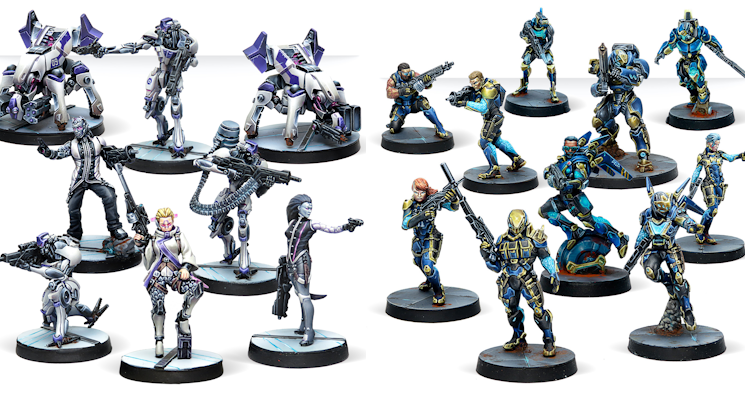
But I’ve always been curious about the opposite of this style: that bright, clean, shiny 80’s aesthetic seen in settings like Star Trek and exemplified in Corvus Belli promotion pictures. 1
I recently discovered that the narrative name for this is “hope punk”. Settings like Star Wars and Star Trek fall into this category, but I could never find a painting equivalent or good guides on achieving such a look. Thankfully, I’ve recently found both.
And while I’m not completely satisfied with the term 2, “iPod Future” seems to fit: it’s that sleek, chrome, brand-new world look I was after.
As for guides, there were many subpar resources, but Corvus Belli came to the rescue for a formal book, specifically through Angel Giraldez’s Masterclass Volumes 1 and 2 3.
Some key features that distinguish “iPod Future” from “Grimdark” are:
Glazing with lighter colours instead of dark tones.
Highlighting up to near-white layered highlights.
Using coloured washes instead of traditional dark shades.
So there you go, hope this helps someone else on the same search as me, I finish with a definition of “iPod Future painting” : “It’s a nightmare realm of none metallic metals, glazes, and prodigious tactical use of off-whites and pure whites to create lens flare effects.”
I used a couple of them for the banner of this post.[↩]
Have you ever had a manager or customer request something on an impossible timeline, then try to make it official by scheduling a meeting to “go through your solution”? It’s a newer variation on an old management trick, made even more prevalent now that so many of our meetings are virtual.
Here’s how it typically goes: they say, “I need this done by X date.” You push back, explaining you’re fully committed or simply can’t meet that deadline. In response, they book a meeting with the client (or other stakeholders) on that exact date, framing it as a status update or progress report. This sets the stage for them to publicly ask, “So, have you completed the work?”
Why They Do It
By scheduling the meeting, they’re applying social pressure. They know that if you miss the deadline, it’ll be embarrassing, especially with an audience. It’s an implicit “shame threat” designed to force compliance.
The Best Way to Respond
In my experience, the best countermeasure is to be completely straightforward, even coldly formal. When they first propose the meeting, immediately reply with something like,
“Yes, I accept the invite, but as stated, I won’t have the work completed by that time due to other commitments.” Put it in writing. That way, if they still follow through with the meeting and call on you in front of everyone, you can calmly respond with,
“No, I don’t have the work done yet, just as I explained in our prior conversation and in my email. I had other priorities that couldn’t be shifted.” If they try to shift blame or push the issue, stand firm. Offer to include the other stakeholders or teams you’re already committed to, so it’s clear where your time and energy have been allocated. The point is to make sure there’s a record of your prior warning and to be prepared to defend your work.
Having Thick Skin
Let’s be honest, this can feel uncomfortable. No one likes to be confronted or called out publicly. But often, you just have to endure that discomfort once with each manager who tries this tactic. Once they see you’re not afraid to stand your ground, they usually don’t try it again.
Wrapping Up
Deadlines are a reality of work, but forcing them through “shame meetings” is both unprofessional and disrespectful. If you find yourself in that situation, don’t back down.
Communicate your constraints, hold your ground, and let them know you won’t be pressured into an impossible timeline. It might be awkward in the moment, but in the long run, it establishes a working boundary.
One of the biggest sources of frustration in the corporate world is how compliance and support teams require things in a different way from how project focused people request them, and the miscommunication that happens because of it.
On the project side, the motivation is clear: remove a blocker so you can deliver on time with no other considerations. That often leads to brusque requests; we need this done because the project must be finished. However, when someone in compliance or legal looks at that same request a year later, it rarely has enough justification or context to pass scrutiny.
Below are a few insights on why this happens and how to fix it.
The Project Mindset
Project teams typically view requests as stepping stones. If a new firewall rule is needed or cloud resources must be provisioned, it’s only important until the project is unblocked. Once that hurdle is cleared, the request is quickly forgotten.
Unfortunately, this creates a paper trail that lacks the detail future auditors need.
The Audit Perspective
Compliance and legal teams look back at requests to ensure actions were justified and properly approved. They often have zero context about why the change was made.
If your request doesn’t include a self-contained explanation, one that stands on its own without references to external documents or links, it’s difficult (or impossible) to validate later.
Best Practices for Writing Requests
Include Full Context Provide all the why, what, and who within the request. Explain the business case or operational reason, the scope of the change, and which stakeholders approved or requested it.
Avoid External Links
Links to supplementary systems or files can change or disappear over time. An auditor won’t assume that content remains accurate or intact. Put the critical details directly into your request.
Self-Contained Justifications
Imagine someone reading your request years from now with no background knowledge. Write enough detail so they can understand why the request was made and feel confident that it was legitimate.
Think Long-Term
Even if your priority is finishing a project on time, remember that compliance, legal, or any other oversight function will be looking at your request in a completely different context.
Ensure your documentation makes sense regardless of shifting priorities or personnel changes.
Final Thoughts
Good documentation isn’t just a formality; it protects everyone involved. By including thorough justifications and self-contained reasoning in your requests, you help both the project teams to move forward confidently and audit teams to validate decisions years later. This means the support teams are far far more likely to action your requests without pushing back.
Ever notice how, in many projects, people are quick to claim authority, attend meetings but slow to take responsability for the risks and tedious parts of the job? Enter the “Spider Man Principle,” which reminds us that with great power comes great responsibility.
This fun but effective tool is designed to keep team members and stakeholders from causing chaos by grabbing control without accepting that having that power means you have to do some work.
If someone be it a colleague, manager, or vendor wants ownership of a project or program, they must also embrace all the potential ownership risks, work actions, and the not-so-glamorous admin tasks. In practice, this often deters those seeking leadership roles for the wrong reasons.
Many who chase power only to boost their image quickly lose interest when they realize it involves hard work, accountability, and attention to detail.
Ultimately, the Spider-Man Principle helps maintain a healthy project environment by ensuring that anyone stepping up to lead does so with a clear understanding of both the perks and the responsibilities.
It’s a simple, effective way to protect your team from power grabs that lack real commitment and selfish motivation.
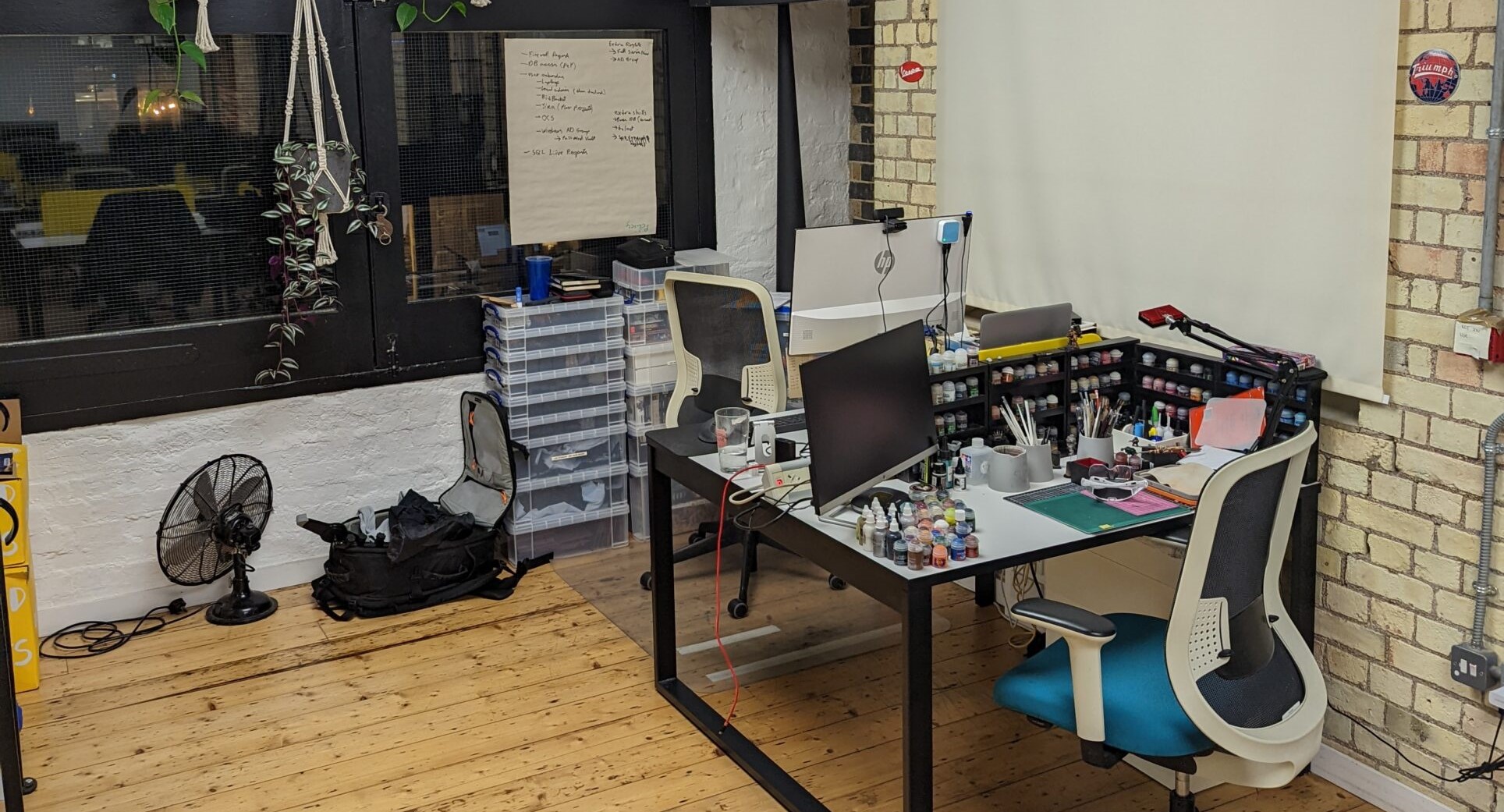
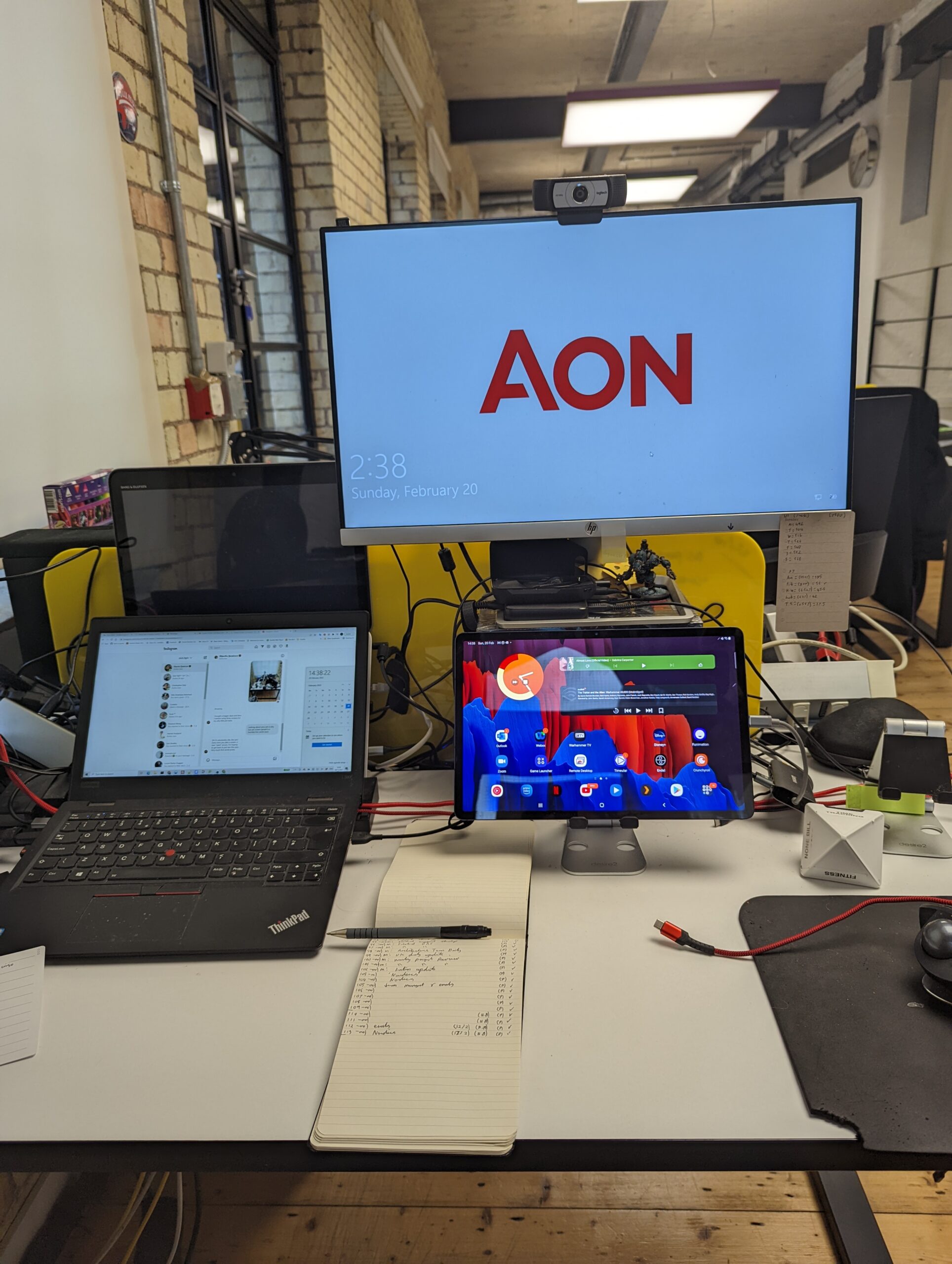
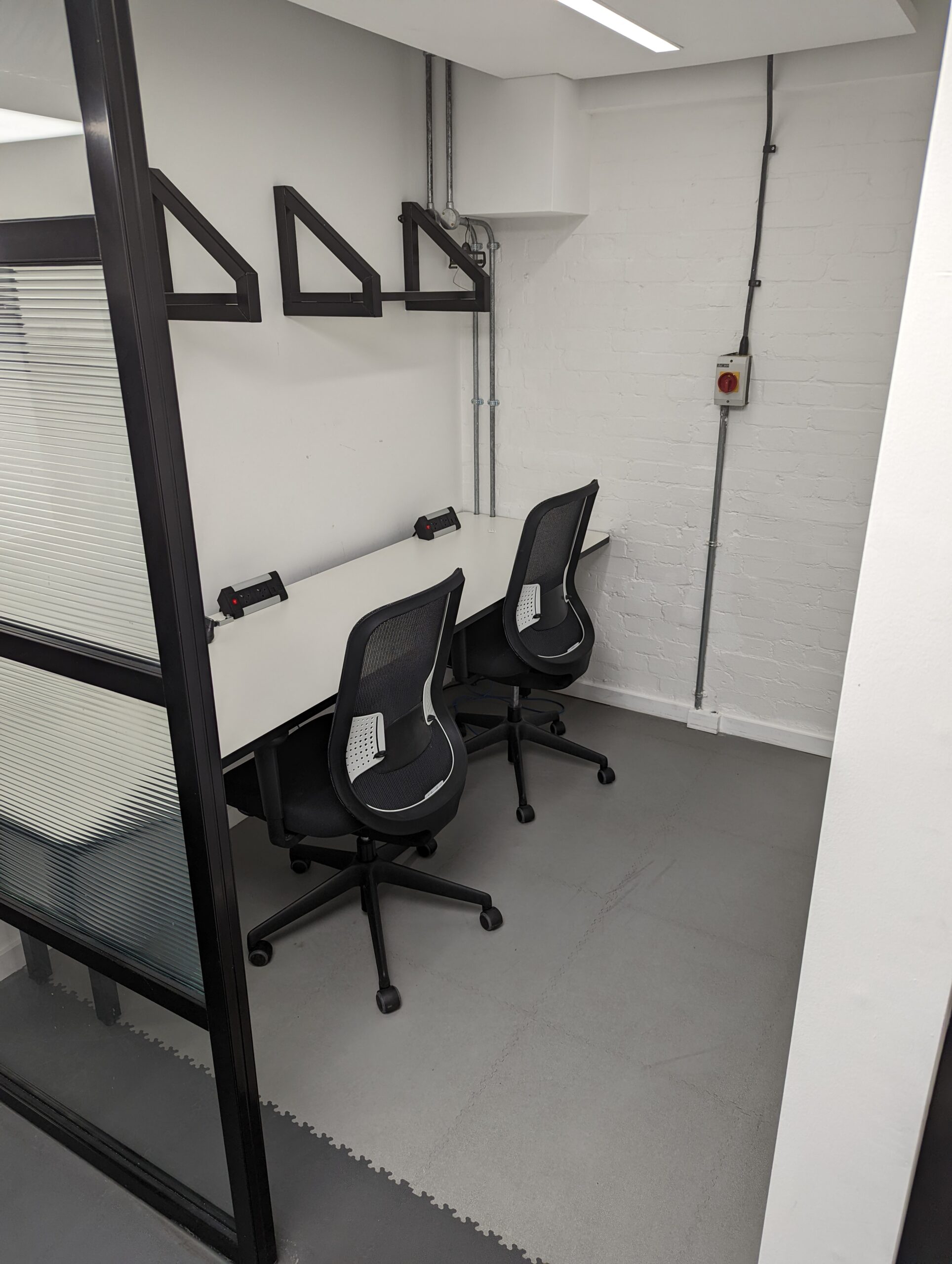
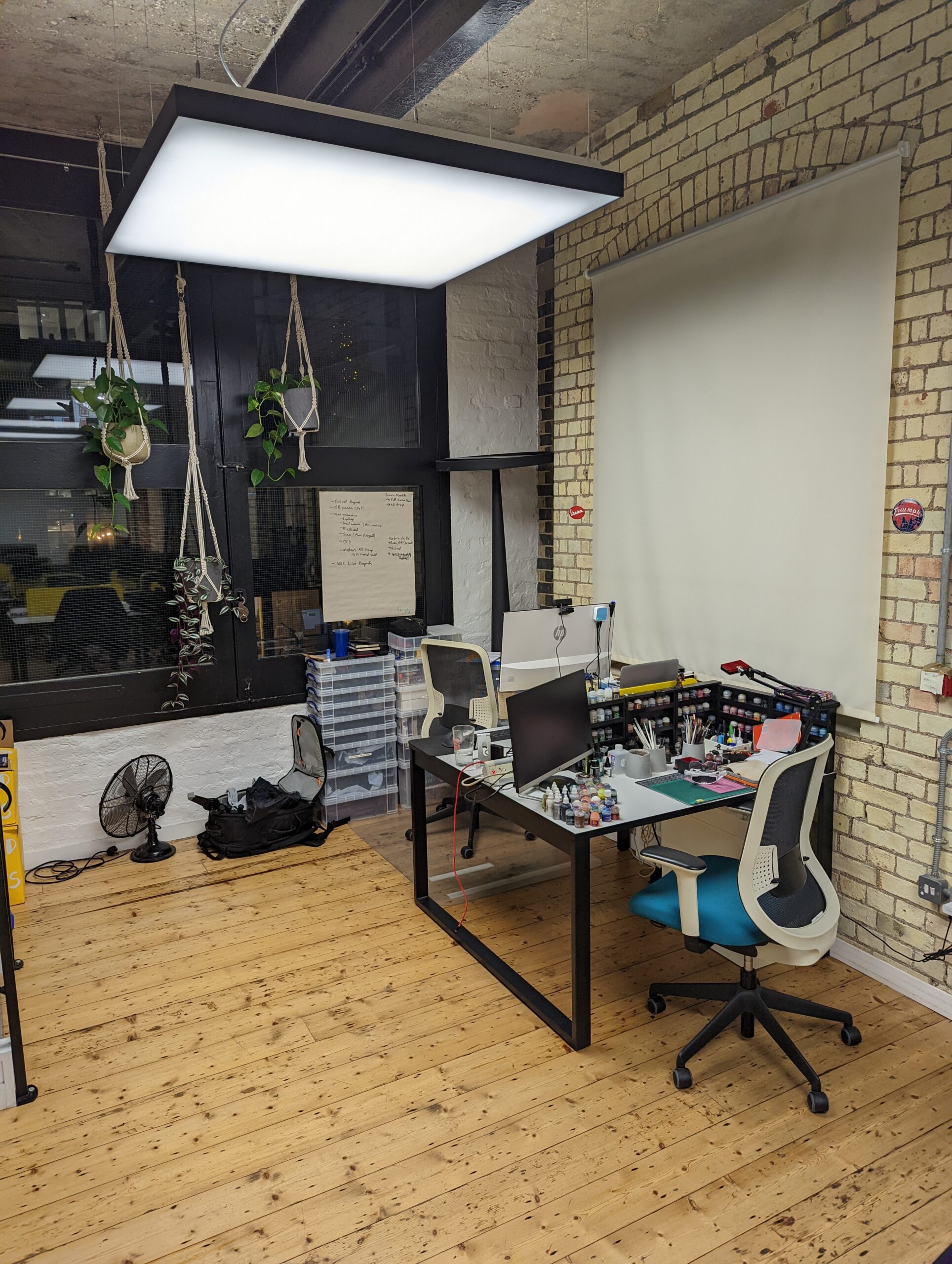
This post is long overdue, but as I stumbled across the draft while cleaning up, I felt compelled to give Purple Patch the tribute it deserves. The website is gone, the office is closed, but there should be at least one memorial to a place that was my professional home for eight remarkable years.
I was a resident of Purple Patch for ages, and in all that time, it was the perfect office for me.
In a world where coworking spaces often cater to people working two hours with a latte on a sofa, Purple Patch was different. It was a place to get work done. It was a place where you could start at the crack of dawn, deliver for clients, hit your goals, and make things happen.
But now, it’s all gone. The office, which miraculously survived the Covid lockdowns, just couldn’t bounce back. The demand never returned to the levels needed for survival. One of the best truly independent coworking spaces in London had to shut its doors.
But there were times I saw Purple Patch at its busiest, filled to capacity, hosting clients from multi-billion-dollar companies.
I’ve celebrated wins, weathered losses, and even failed spectacularly at tabletop football. I’ve closed deals that kept the lights on and worked on projects that pushed my boundaries.
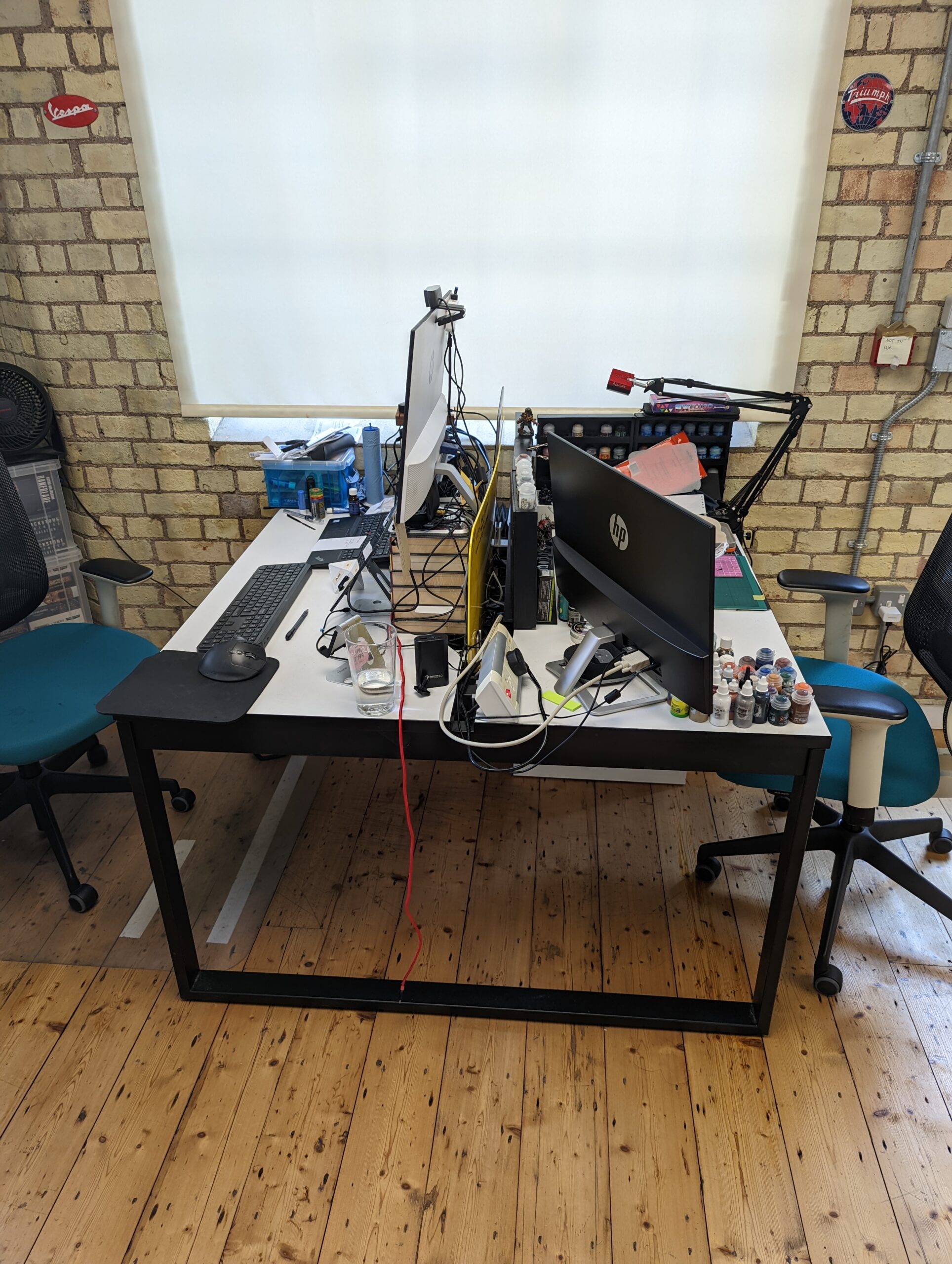
I started in a small corner, gradually spreading out to take over more space as both my work and hobbies expanded. The people who worked there and brought it to life made it special, and years later I still miss the place.
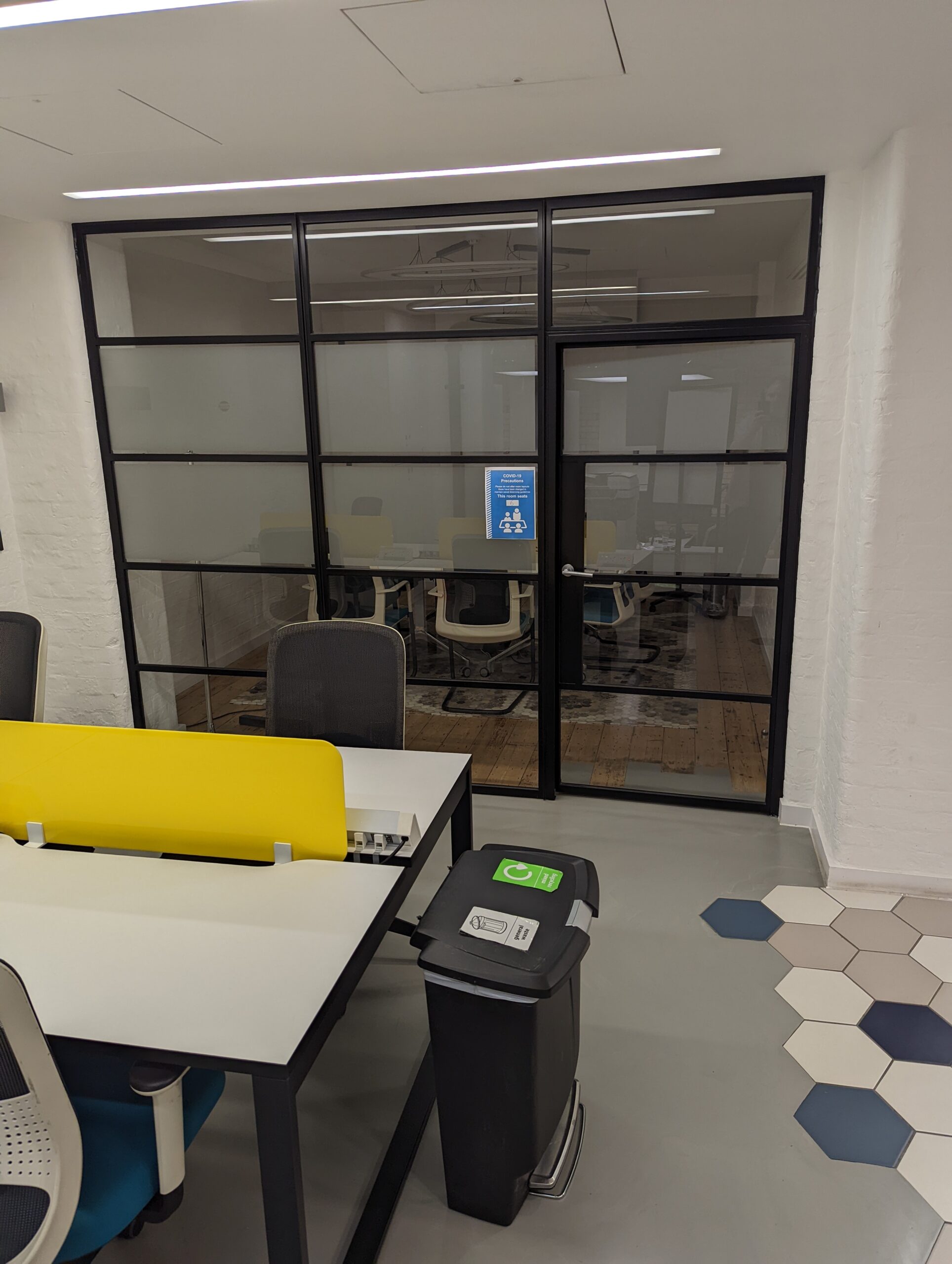
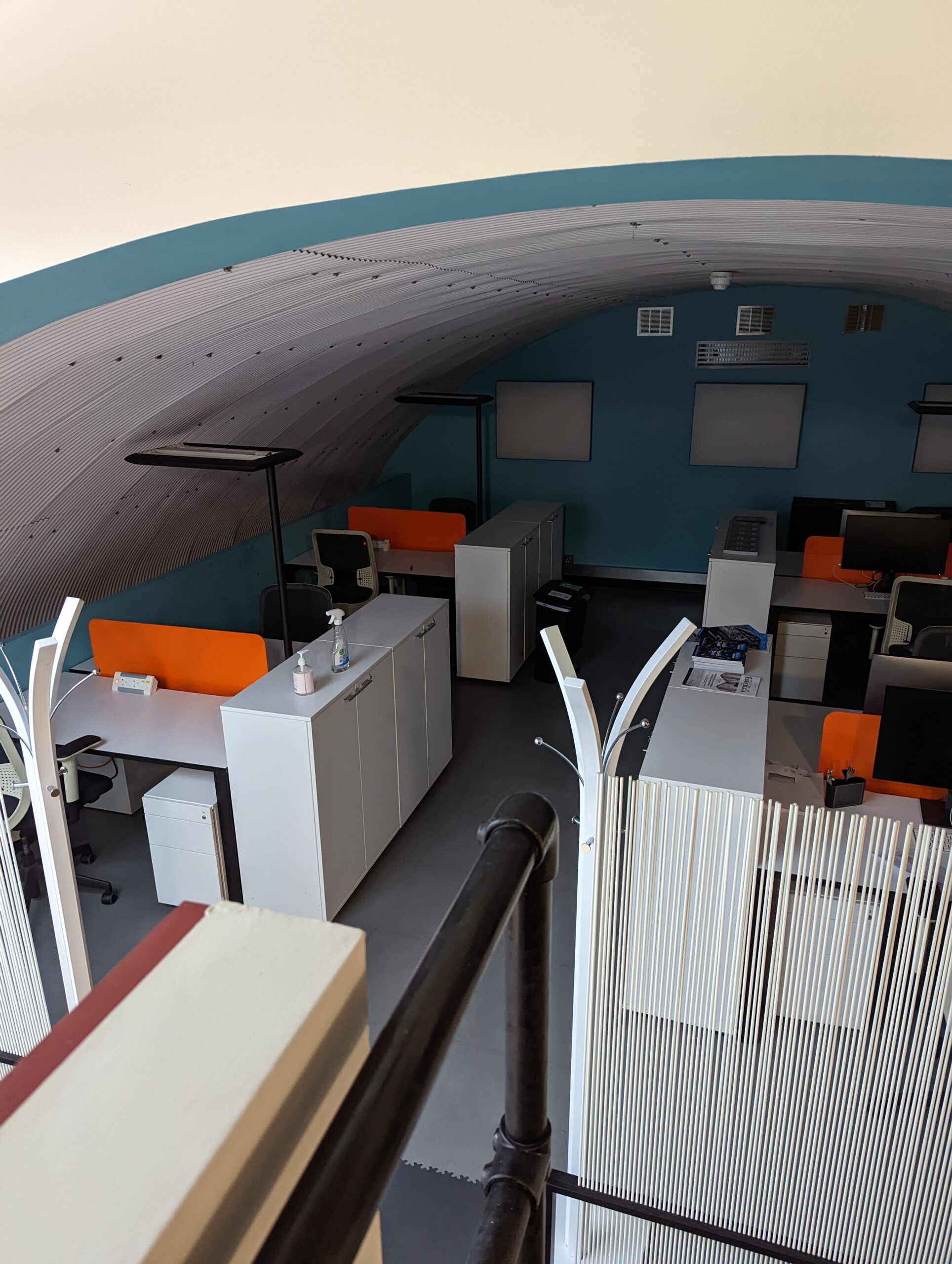
Purple Patch wasn’t just an office, it was a place of character. It wasn’t a coffee shop for sending a few emails, nor a corporate warehouse filled with rows of lifeless desks. It was a space designed to work in. It felt like a cozy library: a labyrinth of nooks and crannies, meeting rooms, and mismatched chairs. Yet, it still felt like home. The 24-hour access meant I could work whenever inspiration (or deadlines) struck. I’ve spent entire nights there, catching a quick nap on the sofa during relentless work stints.
I’ve arrived before sunrise and left long after dark. It was adaptable and welcoming, yet polished enough that I could proudly host even my most high-profile clients.
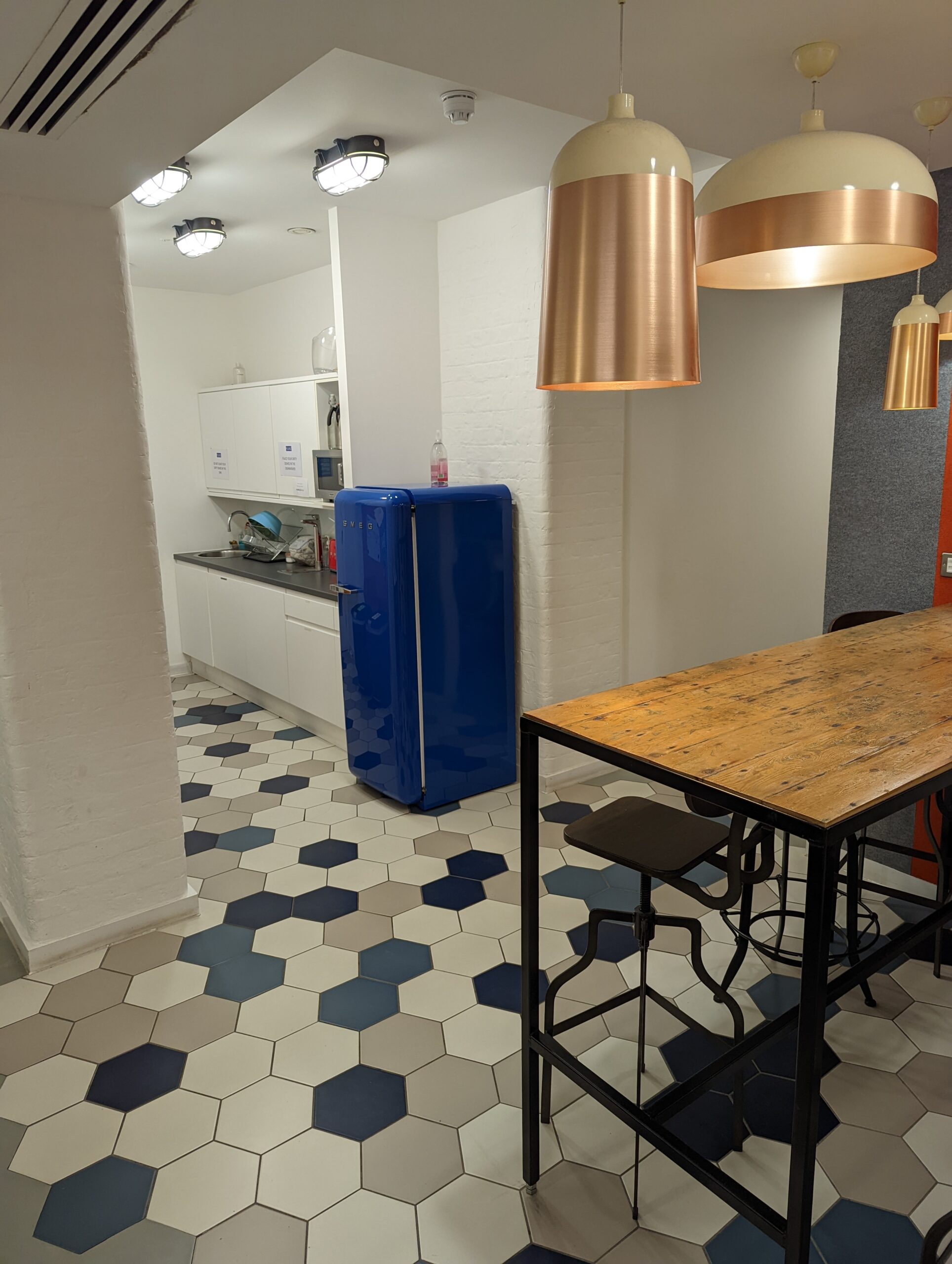
It wasn’t just functional; it had everything I wanted: good chairs, sturdy desks, blazing fast internet, and a well-stocked kitchen. And let’s not forget the coffee. Unlimited, delicious, life giving coffee from the giant posh coffee machine on the ground floor.
Everyone I brought to Purple Patch loved it.
But the pandemic changed everything. Before COVID, Purple Patch was 95% full. The desks were occupied by corporate satellite offices, freelancers, and startups brimming with energy and ambition. Then, overnight, it was empty.
During the lockdowns, I was often the only one there. The space became mine alone, a surreal 150 seat office all to myself. I brought in an exercise bike, indulged in hobbies, and used the downtime to keep things tidy and ready for others who might return. Some did come back, but the world they returned to had shifted.
Gone was the nine-to-five culture. Small businesses and solo entrepreneurs like me were replaced by hybrid workers splitting their time between home and office. Meanwhile, big coworking brands with deep pockets were offering massive discounts to lure people in, and landlords were eager to cash in on the changing landscape. Purple Patch just couldn’t compete; even if they knew sooner or later it would return to everyone needing to be in an office.
In the end, the landlord reclaimed the property, planning to merge it into a larger, more profitable but undoubtedly soulless development.
It’s a damn shame. The eight years I spent at Purple Patch were some of the most productive and meaningful of my career. It was a place I could count on through the challenges, late nights, and tight deadlines. I haven’t found anything better, and I’m not sure I ever will.
So here’s my epitaph for Purple Patch: a place that wasn’t just an office but the type of real community that you can’t artificially create.